
Our Story (click to read our personal immigration story)
I have been thinking about writing about the immigration process to the USA, having been through it with my wife. So often when Americans discuss immigration, it is quickly apparent that they have little knowledge about the process, the history, the challenges and the variation in difficulty immigrating depending upon which country you are immigrating from.
Links to other posts
Where Immigrants are Coming From
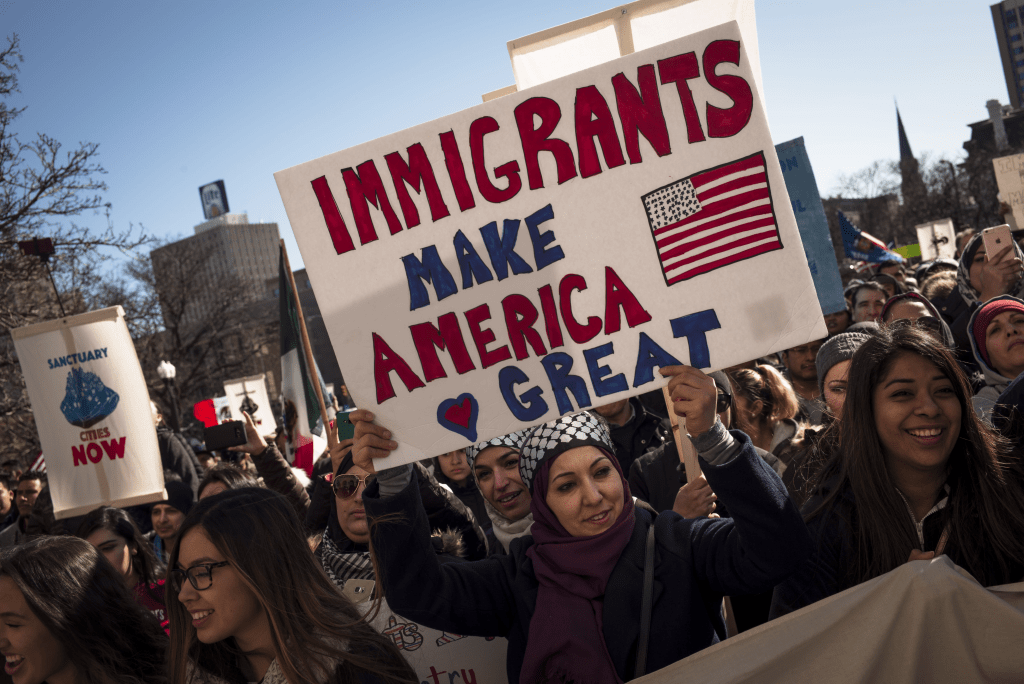
I will begin with some generic history that I pulled up using an AI search. I cannot vouch for all of the information, but it seems relatively accurate.
Following the history and some other details, I will attempt to share the process we went through.

Chapter 1: Early Immigration (1600s-1800s)
Immigration to the United States has a rich history dating back to the 1600s, when European settlers first arrived. The early immigrants came primarily from England, Scotland, Ireland, and Germany, seeking economic opportunities, religious freedom, or fleeing persecution.
– *Colonial Era (1600s-1776)*: The British colonies attracted immigrants from Europe, with estimates suggesting around 500,000 arrived between 1600 and 1776.
– *Early National Period (1776-1820s)*: Immigration slowed during the American Revolution but resumed afterward, with around 1 million immigrants arriving between 1783 and 1820.
Chapter 2: Mass Immigration (1840s-1920s)
The late 19th and early 20th centuries saw massive waves of immigration to the United States, driven by factors like poverty, famine, and persecution in Europe.
– *Irish Potato Famine (1845-1852)*: Over 1 million Irish immigrants arrived in the United States, fleeing famine and poverty.
– *Ellis Island (1892-1924)*: Over 12 million immigrants passed through Ellis Island, seeking a better life in America.
– *Immigration Act of 1917*: Restricted immigration from Asia and introduced literacy tests.
Chapter 3: Restrictive Policies (1920s-1965)
The United States implemented restrictive immigration policies in the mid-20th century, limiting immigration from certain countries.
– *Immigration Act of 1924*: Established national origins quotas, favoring immigrants from Northern and Western Europe.
– *Immigration and Nationality Act of 1952*: Codified existing immigration laws and introduced preferences for family members.
Chapter 4: Modern Immigration (1965-Present)
The Immigration and Nationality Act of 1965 abolished national origins quotas, leading to increased immigration from Asia and Latin America.
– *1965-1980*: Immigration from Asia and Latin America increased, with many fleeing war, persecution, or economic hardship.
– *1980s-1990s*: Immigration from Mexico and Central America surged, driven by economic instability and conflict.
– *2000s-2010s*: Immigration from Asia, particularly China and India, grew significantly.
Chapter 5: Economic Impact and Contributions
Immigrants have made significant contributions to the U.S. economy, filling labor gaps and driving innovation.
– *Labor Force*: Immigrants comprise around 17% of the U.S. labor force, with many working in essential industries like healthcare, agriculture, and construction.
– *Entrepreneurship*: Immigrants are more likely to start businesses, creating jobs and driving economic growth.
– *Science and Innovation*: Immigrants have made significant contributions to science, technology, engineering, and mathematics (STEM) fields, including Nobel laureates like Albert Einstein and Enrico Fermi.
Chapter 6: Refugees and Asylum Seekers
The United States has a long history of providing refuge to those fleeing persecution, war, or natural disasters.
– *Refugee Act of 1980*: Established a system for refugees to seek asylum in the United States.
– *Asylum Seekers*: Individuals can apply for asylum if they fear persecution or violence in their home country.
– *Recent Trends*: The number of refugees and asylum seekers has fluctuated in recent years, with changes in policy and global crises affecting migration patterns.
Chapter 7: Present Day (2025)
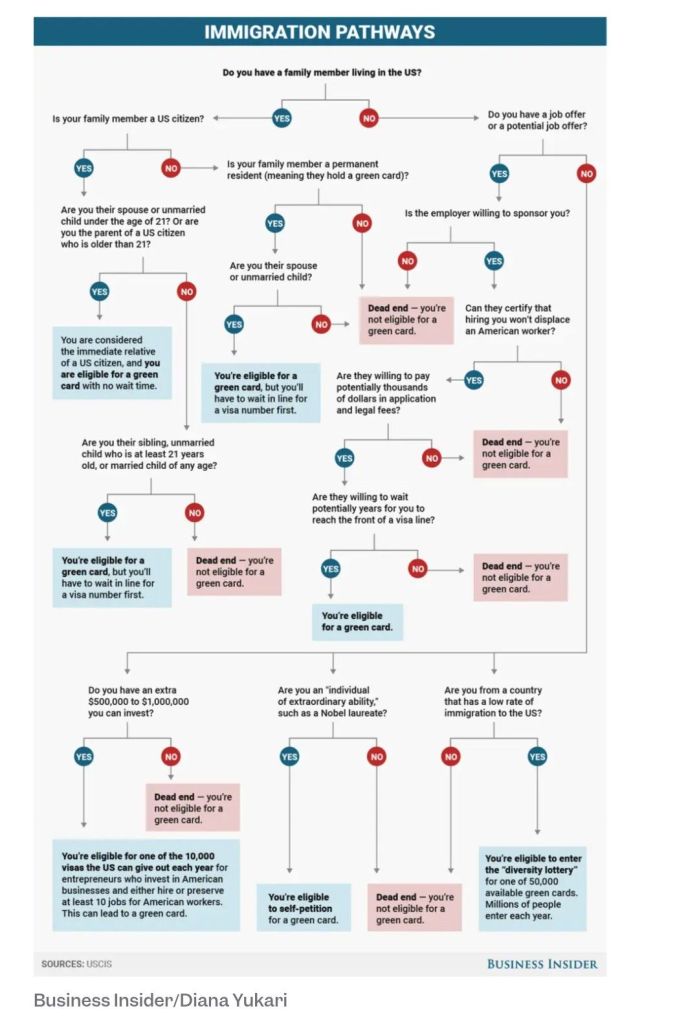
As of 2025, the United States has the largest immigrant population in the world, with around 53.3 million foreign-born residents, representing 15.8% of the total U.S. population.
– *Current Immigration Policies*: The current administration has implemented stricter immigration policies, including increased enforcement and restrictions on asylum seekers.
– *Immigrant Contributions*: Immigrants continue to make significant contributions to the U.S. economy, culture, and society.
https://www.businessinsider.com/how-to-green-card-visa-legal-immigration-us-news-trump-2017-4
 Jim's Travel Culture and History Blog
One thought on “Immigration to the USA”