
An attempt to recapture a travel adventure from 1987
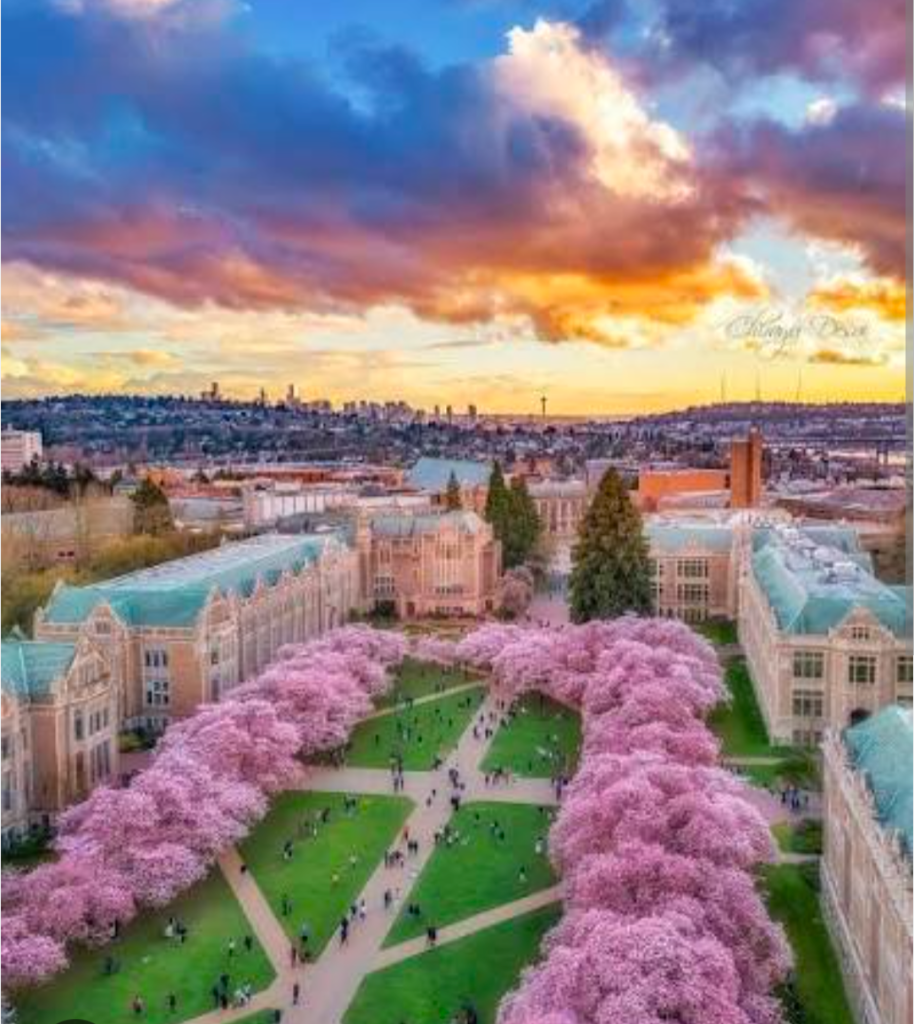
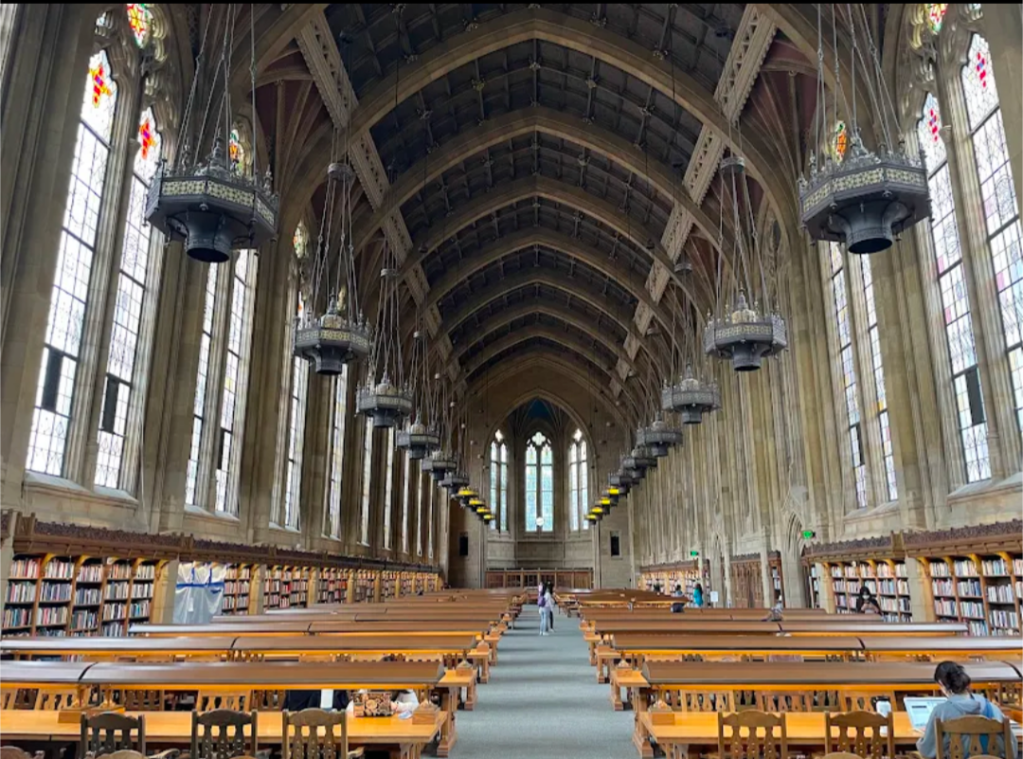
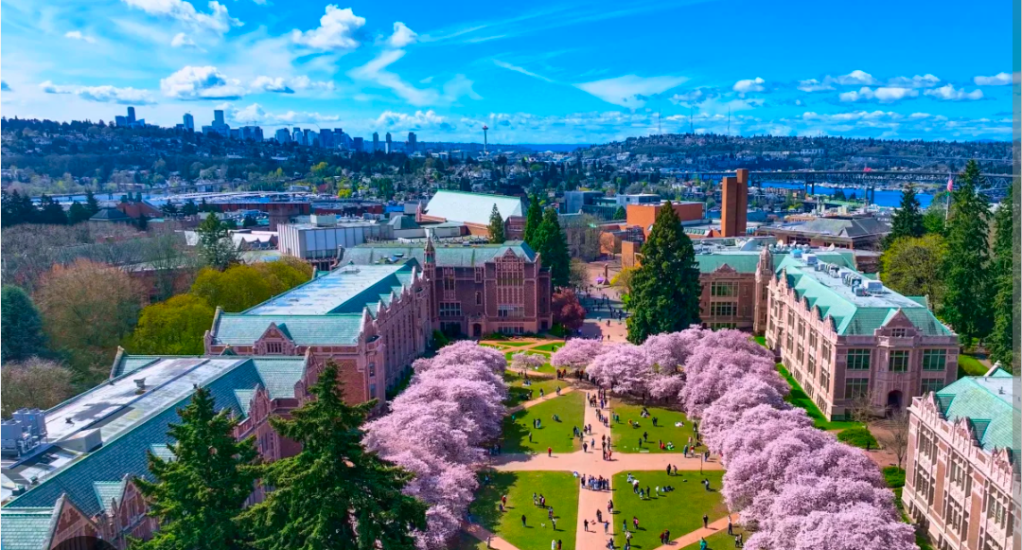
In March of 1987, I had completed another two years at the University of Washington to obtain teaching certifications in biology, chemistry and general science.
I had previously graduated in 1982 with a bachelor’s degree in microbiology. I will brag that I finished with a 3.86 out of 4.0 grade point average. I enjoyed my studies, but probably should have paid more attention to my social life.
My partner at the time was also completing her studies. We decided to take a trip, and credit to her, she chose Costa Rica, inspired by her love of nature and animals.
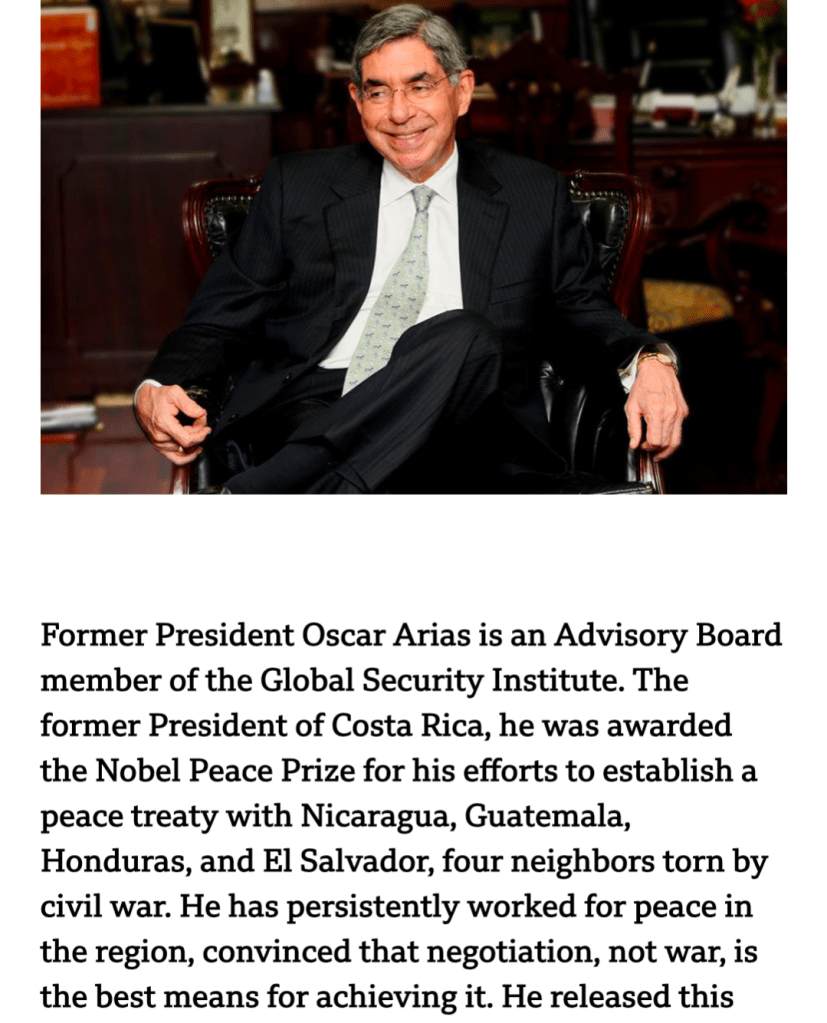
Costa Rica, although off most people’s radar at that time, was catching some attention for its unique approach to governing their country. They decided to preserve as much of their environment as possible and indeed recover some as well. They did not have a military and dedicated a significant amount of their country’s wealth towards education. It was often referred to as the Switzerland of Latin America. At that time, it was an extremely safe country. Their president had received the Nobel Prize for Peace and it actually used to mean something. Since then it has been cheapened by the likes of Donald Trump campaigning for it and President Obama receiving it although he had barely begun his presidency. It was said that it was so safe that Oscar Arias, their president could leave the doors of his house open. It certainly felt like that.
I don’t recall the details, but my dad, in his generosity paid for my flight and maybe even my partner’s. It was my graduation gift.
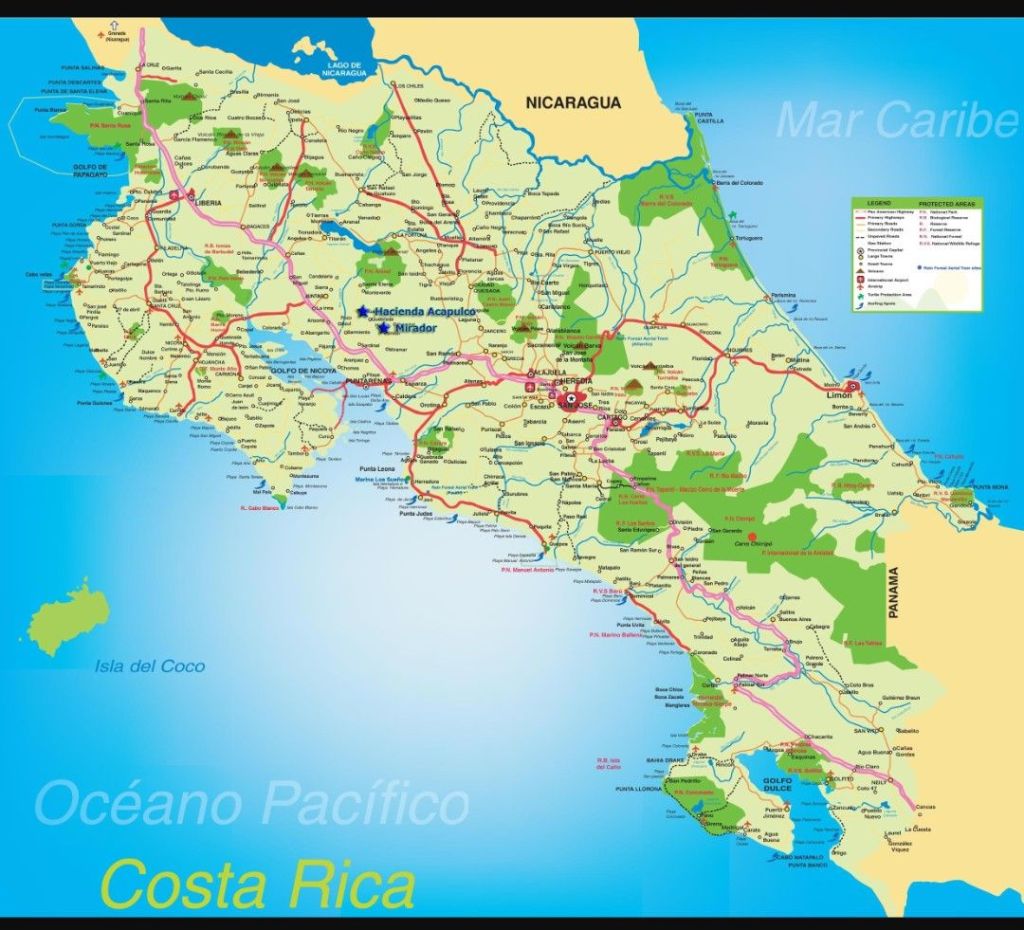
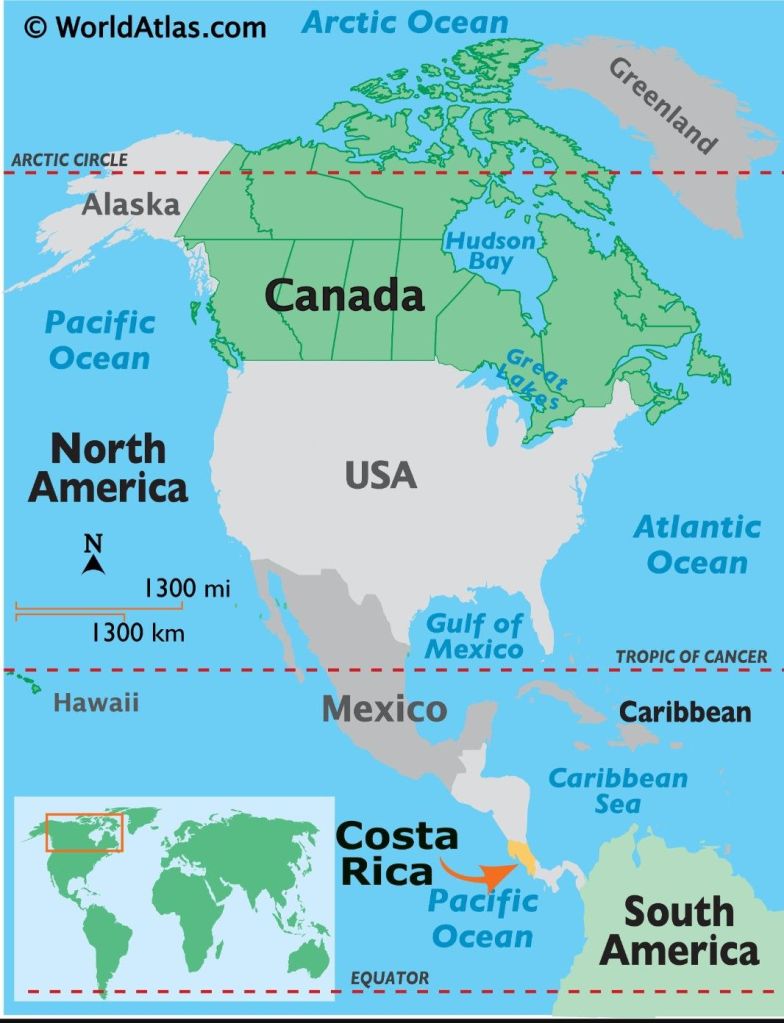
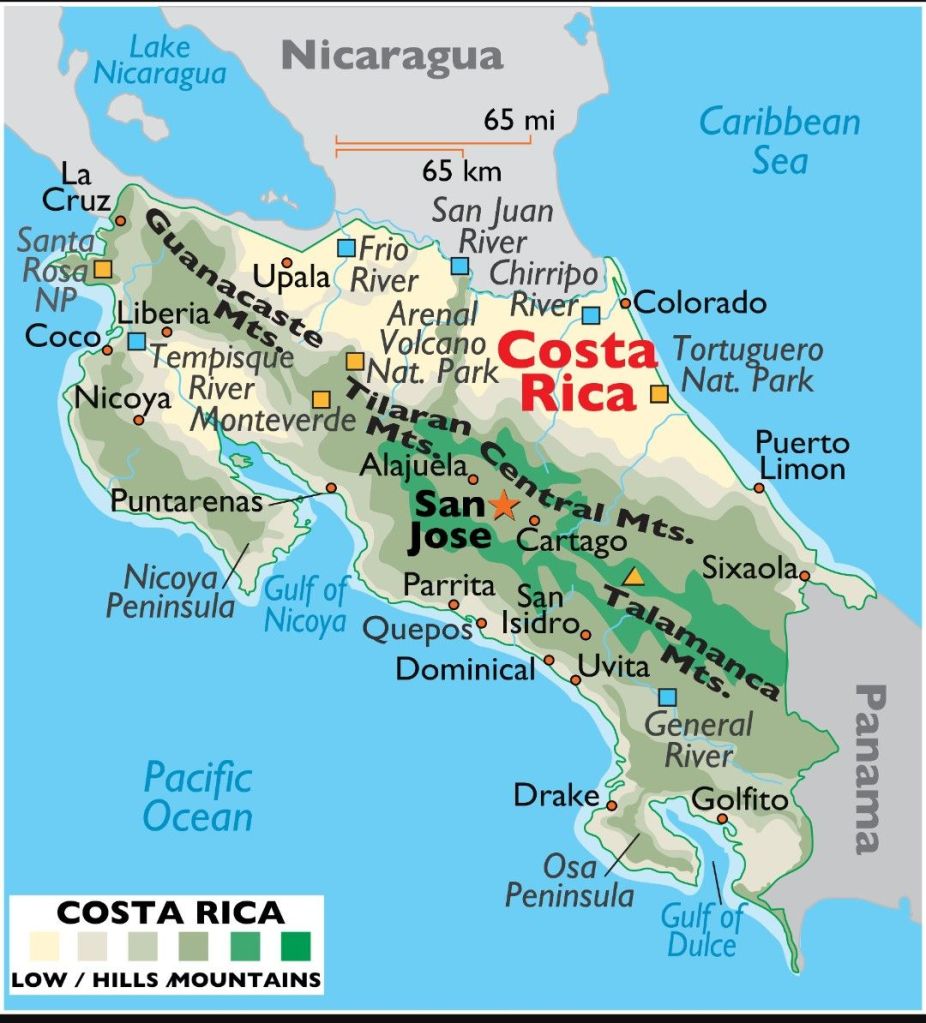
As you can see on maps, Costa Rica is a narrow, small country with coastlines in the Pacific Ocean and the Caribbean Sea. The East Coast has a lot of African and reggae influence and did even before it was trendy and cool Nicaragua lied to the North and Panama to the South. There are mountainous regions over 10,000 feet in altitude, rushing rivers that are now ecotourism destinations, rainforests and a wide variety of beautiful beaches. I can say that we were lucky to go there before it was “discovered.”
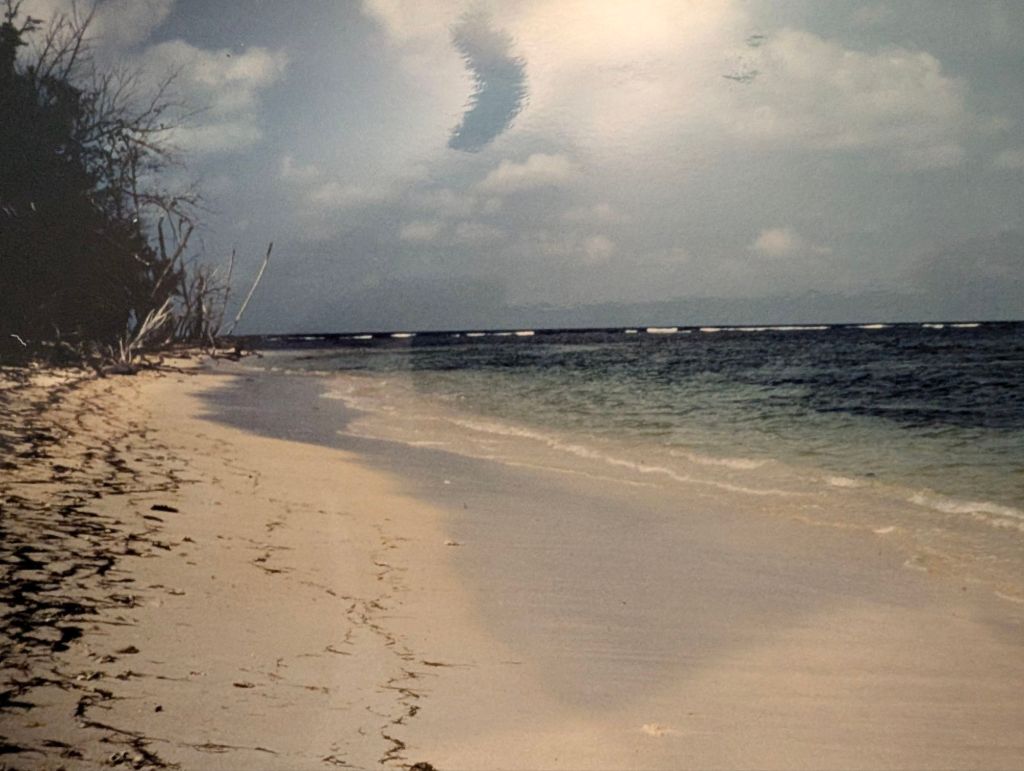
We had isolated beaches to ourselves. I have returned only to be horrified by the development in areas that used to be pristine coastline. It is estimated that over 100,000 Americans now call Costa Rica home, which has changed the country.
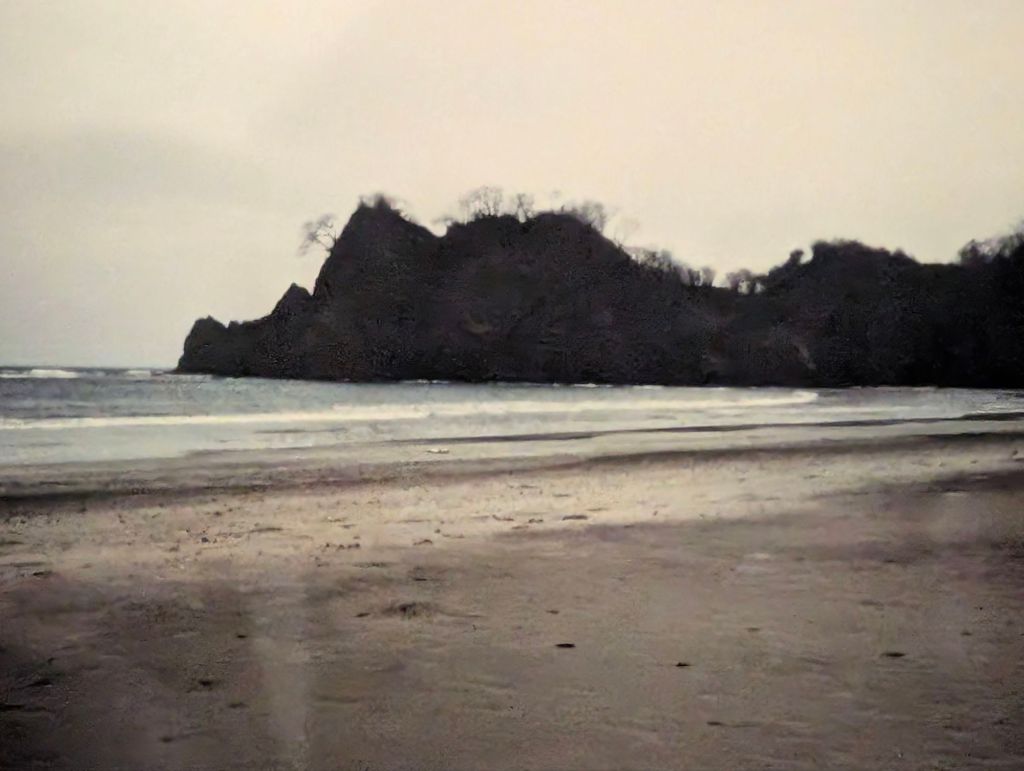
Costa Rica has always been considered relatively safe, but it has become more like many parts of Latin America with rising crime rates, especially in San Jose and a few other areas.
The trip was to last a month, which is enough time to actually accomplish a little. Back then, there were no online tickets and we found an agent in downtown Seattle that arranged flights to Costa Rica. The man’s name was Javier and in stereotypical Latino behavior, he attempted to seduce my partner (I was not present). These days it would have constituted some form of violation. Anyway, we got the tickets.
We had to arrange a visa through a consular presence in the Seattle area and got some preventive vaccines and malarial tablets at a travel clinic.
My traveling companion had never traveled much and she insisted we reserve somewhere to stay our first night in San Jose, the capitol of Costa Rica. I tried to convince her otherwise, but failed. I had to arrange a room over the phone (expensive calls back then) in Spanish.
Hilariously, when we drove from the airport, the taxi driver told us it was not a good place and took us somewhere else that worked out fine. He probably received a commission . Travel was different then. There weren’t many tourists and you could pull into towns and find a place to stay
I typically asked to see and inspect rooms before committing. I liked to check the security of the room. Were windows and doors secure, etcetera. I don’t remember much about that first room except that it was located in a major, noisy road, not too far from a local market.
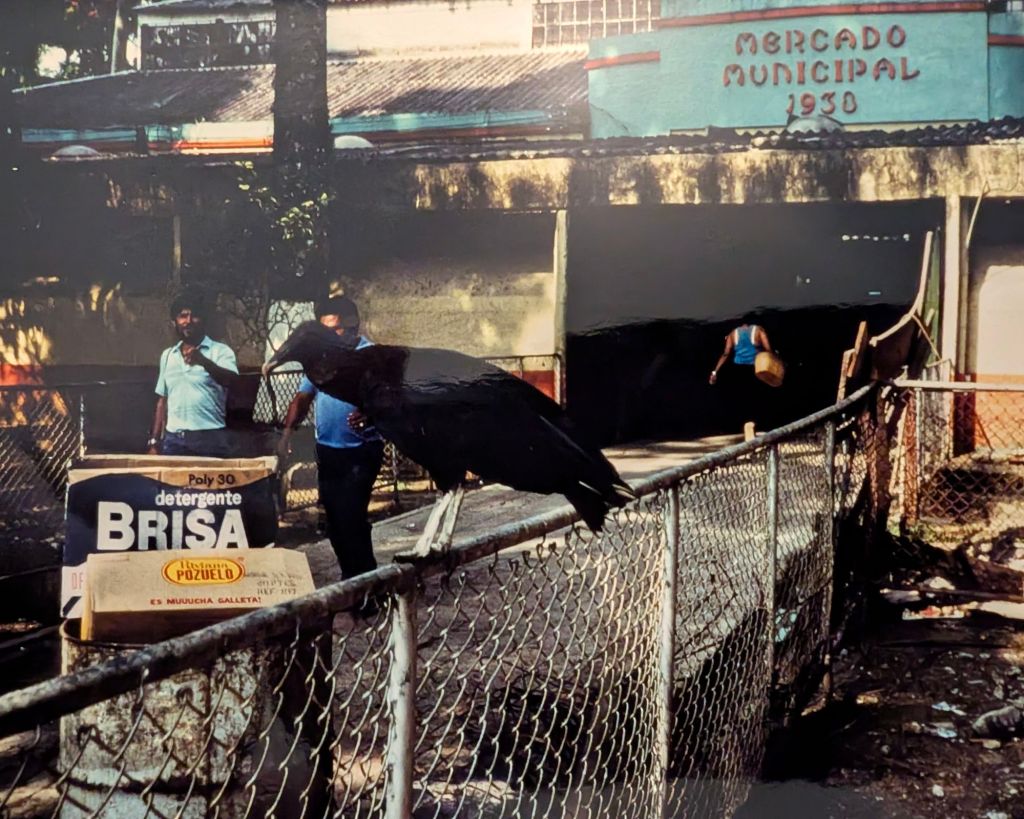
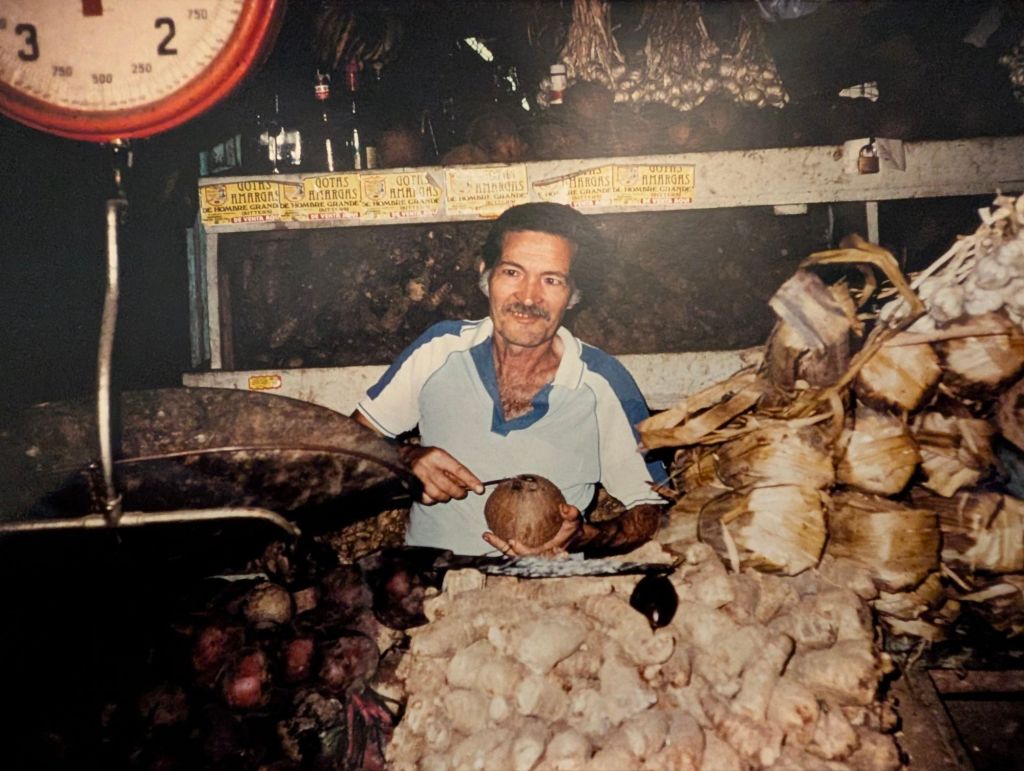
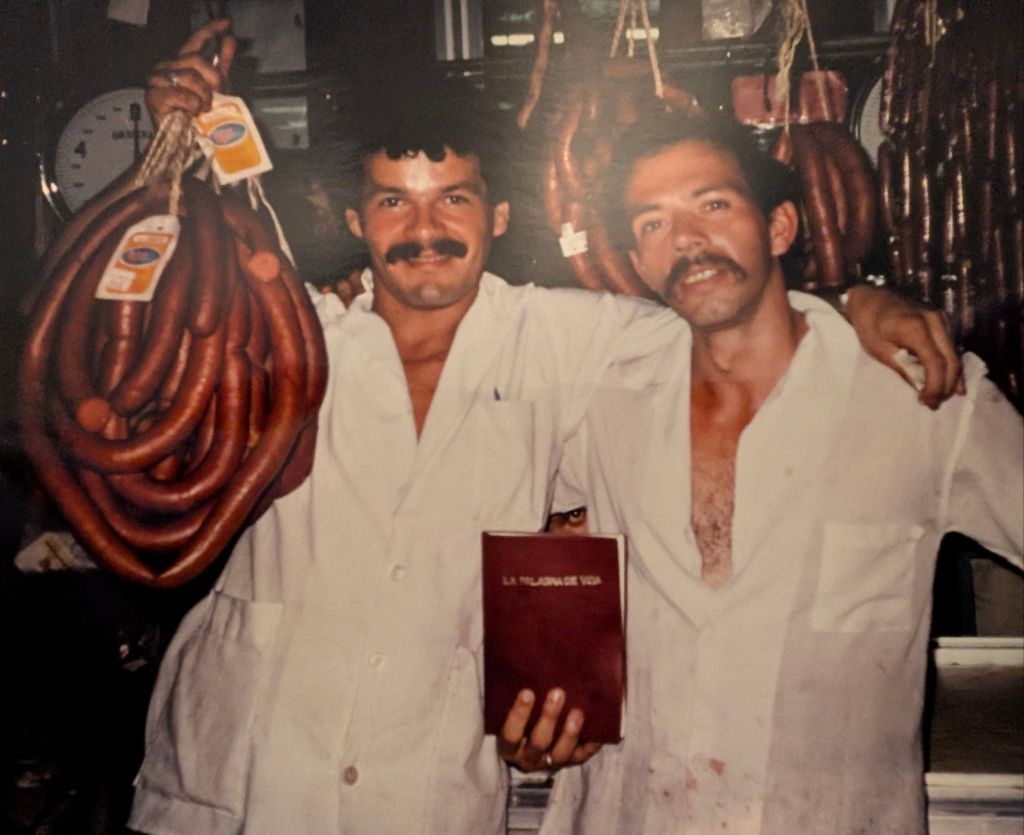
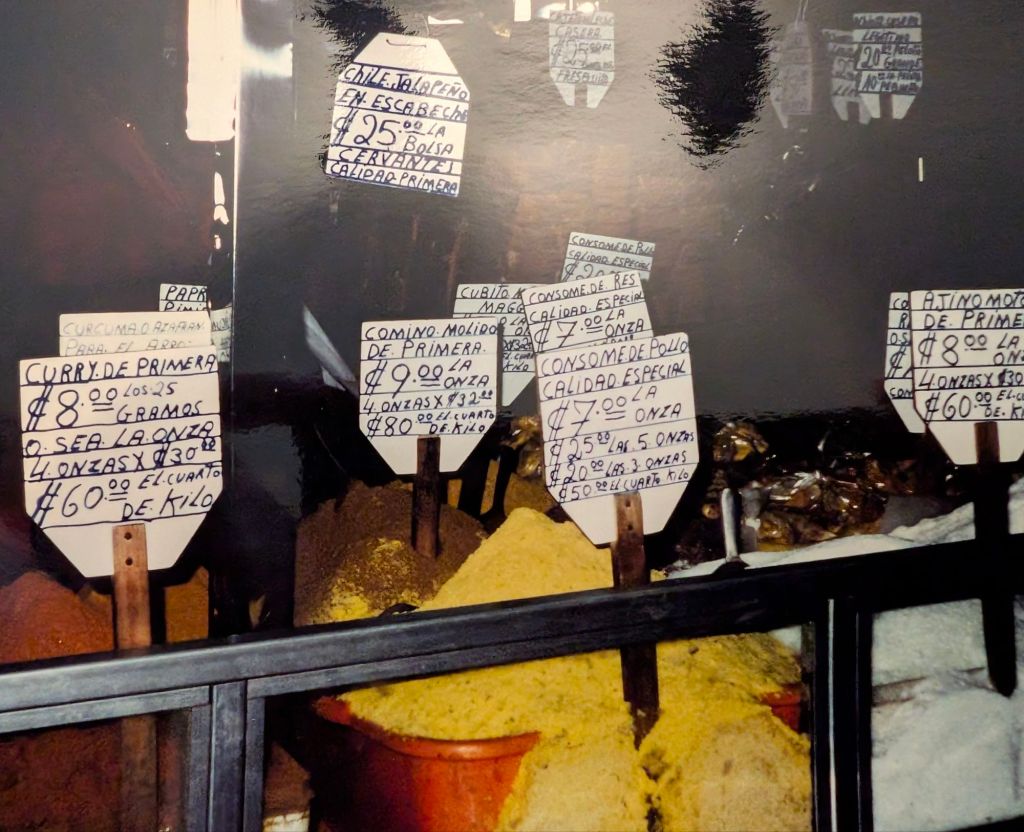
It was my first real tropical destination (besides attending school in Mexico in 1979). The humidity, heat and tropical odors in the air were something novel as was the cacophony and pollution of a major Latin city. I liked it.
After a couple of days experiencing the markets and bustle of San Jose, we boarded the “jungle train” at a funky little train station. We had no idea what we were in for.
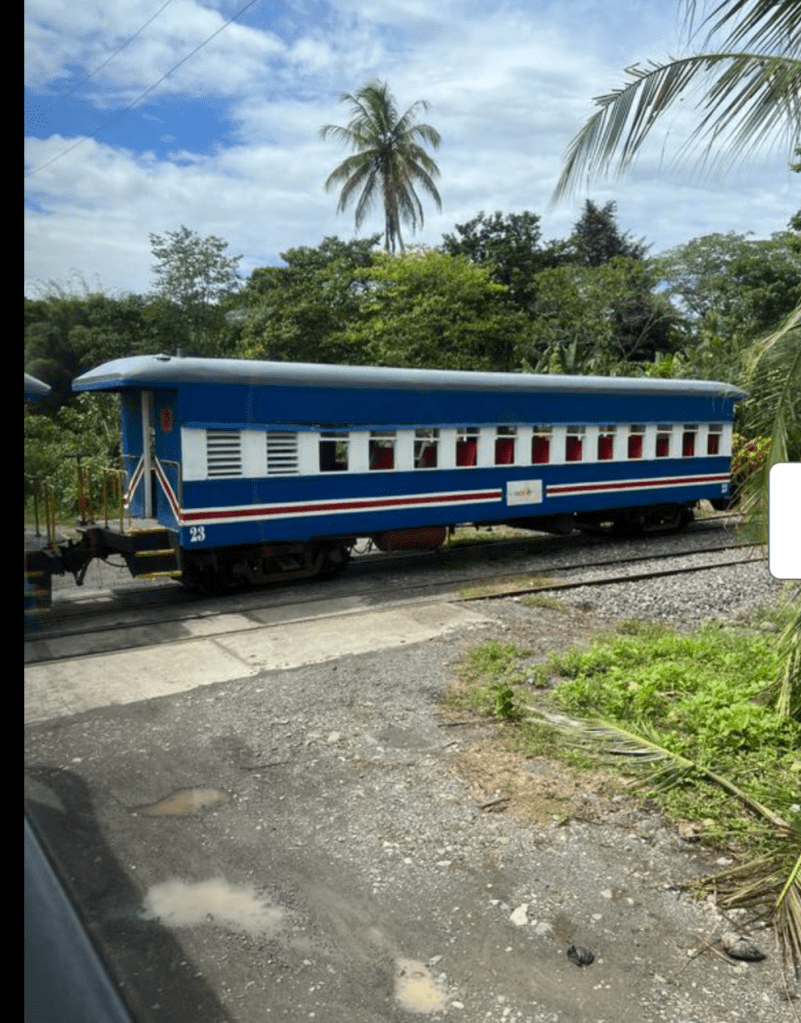
It was a sweltering hot, eight hour train ride through the jungle in an open air train. We were soaked with perspiration as we traveled at 15 mph maximum, stopping at small villages in the way to Puerto Limon. The locals were very friendly and pleasant and we were wilting in the heat. I vividly recall trying to open a bag of peanuts we were given on our flight. I could not open the bag because my hands were too sweaty to grip it
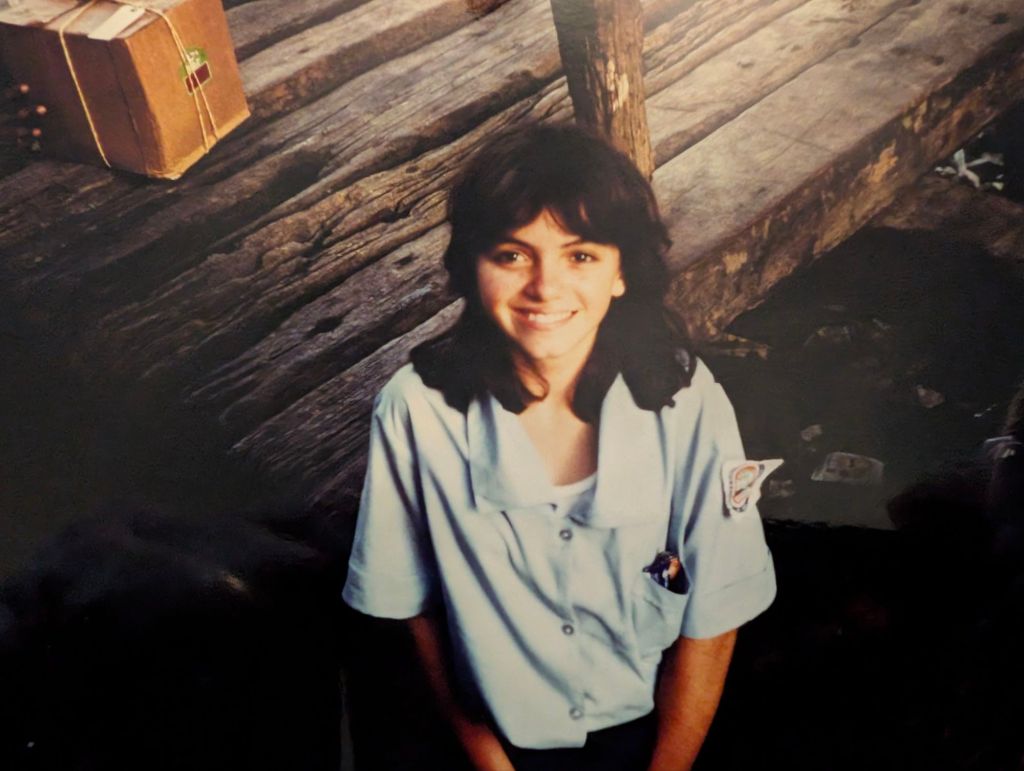
What I found online:
“In 1987, the train ride from San Jose to Limon, often called the “Jungle Train,” was a scenic, 7-8 hour narrow-gauge rail journey traversing mountains, tunnels, and rainforests to the Caribbean coast. It was historically operated by diesel engines and offered a slow-paced alternative to the 3-hour road trip, covering 102 miles. “
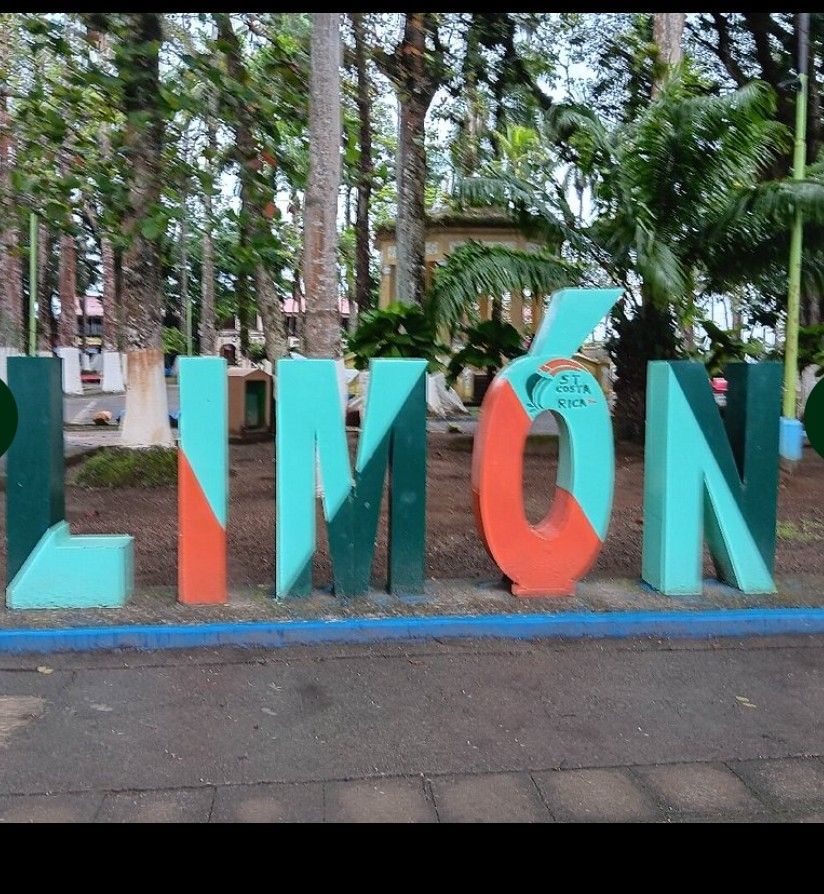
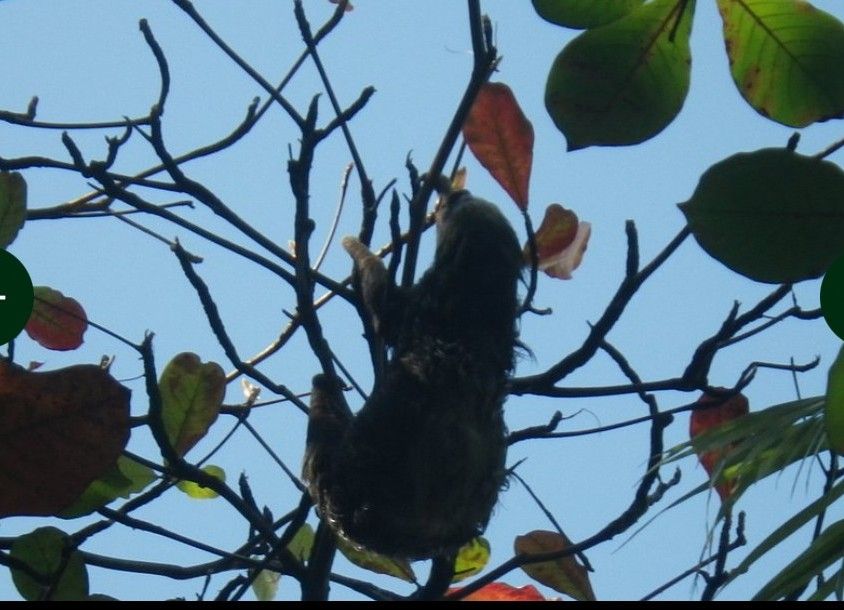
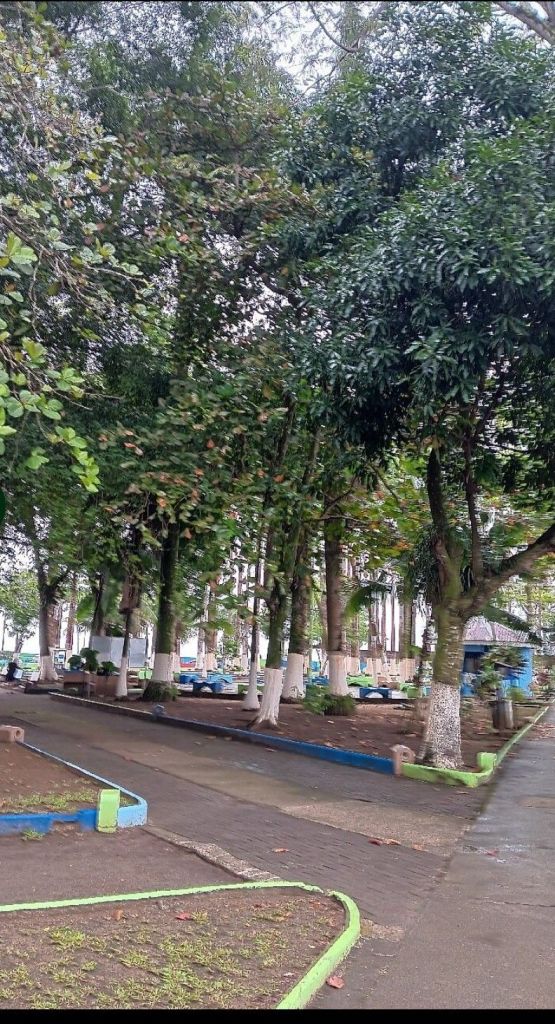
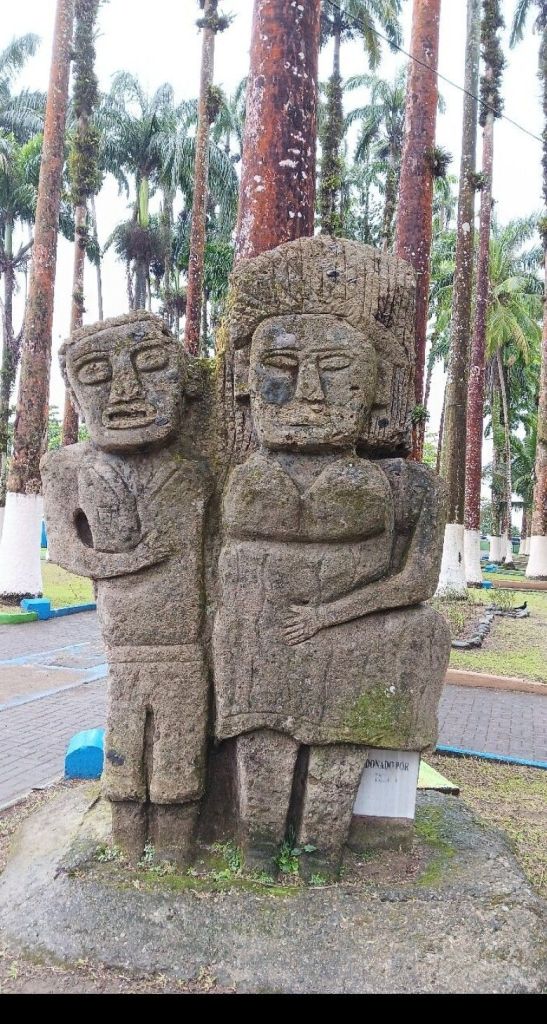
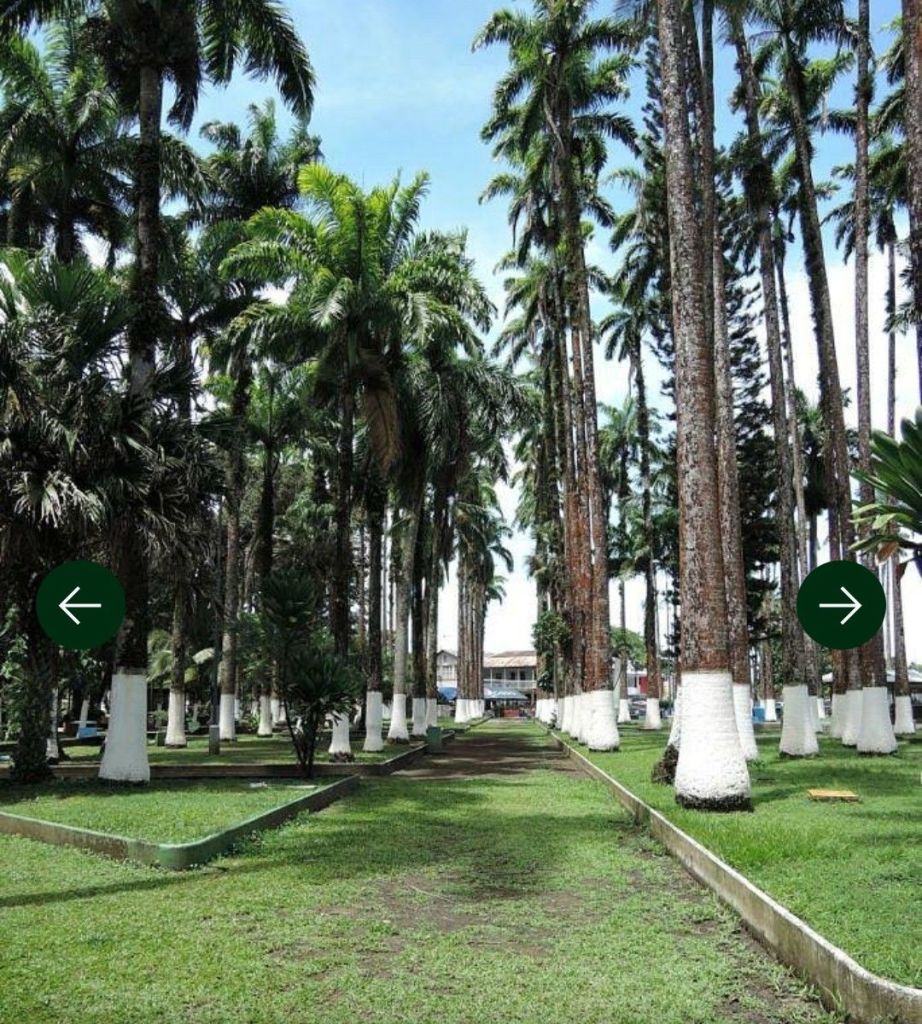
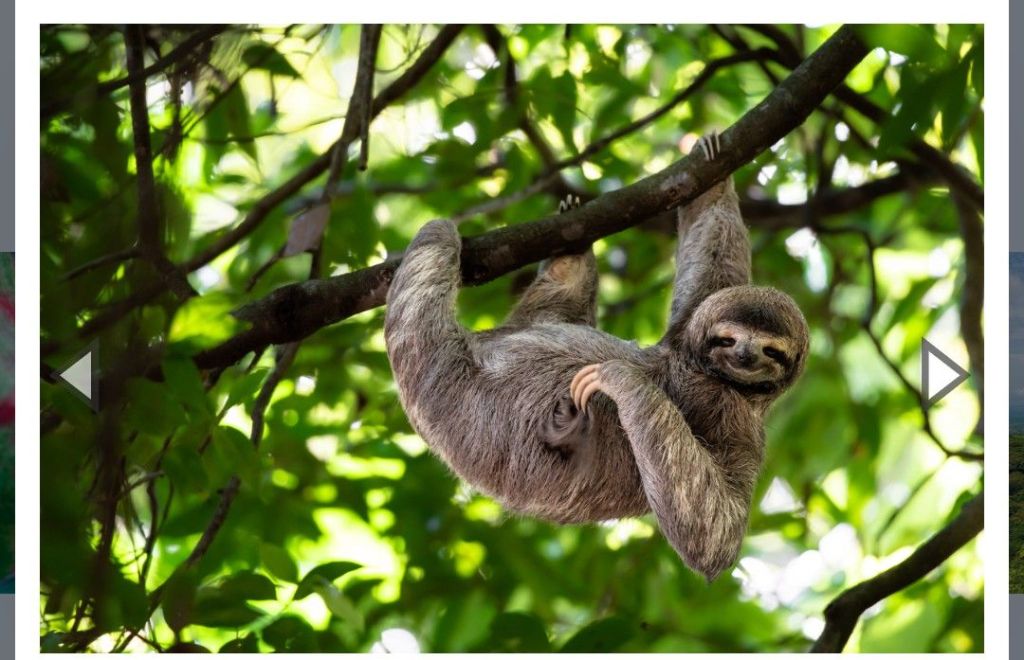
Once off the train in Limon, we had to kill some time before taking a bus to our ultimate destination, Cahuita. We went to the park that was near the bus terminal. Wasn’t particularly exciting initially. Then we realized that sloths were actually up in the trees. I had never seen a sloth in nature previously. They do move slow. It is almost comical. I am wondering who their predators are and what grows on them from their lack of movement. Apparently they are decent swimmers. While in that same park, I saw a spiny plant seed. It looked so cool that I picked one up. Regrettably, my hand became full of spines. What a marvelous adaptation! It took a while to pull out the spines, but lesson learned. I imagine somebody watching was laughing.
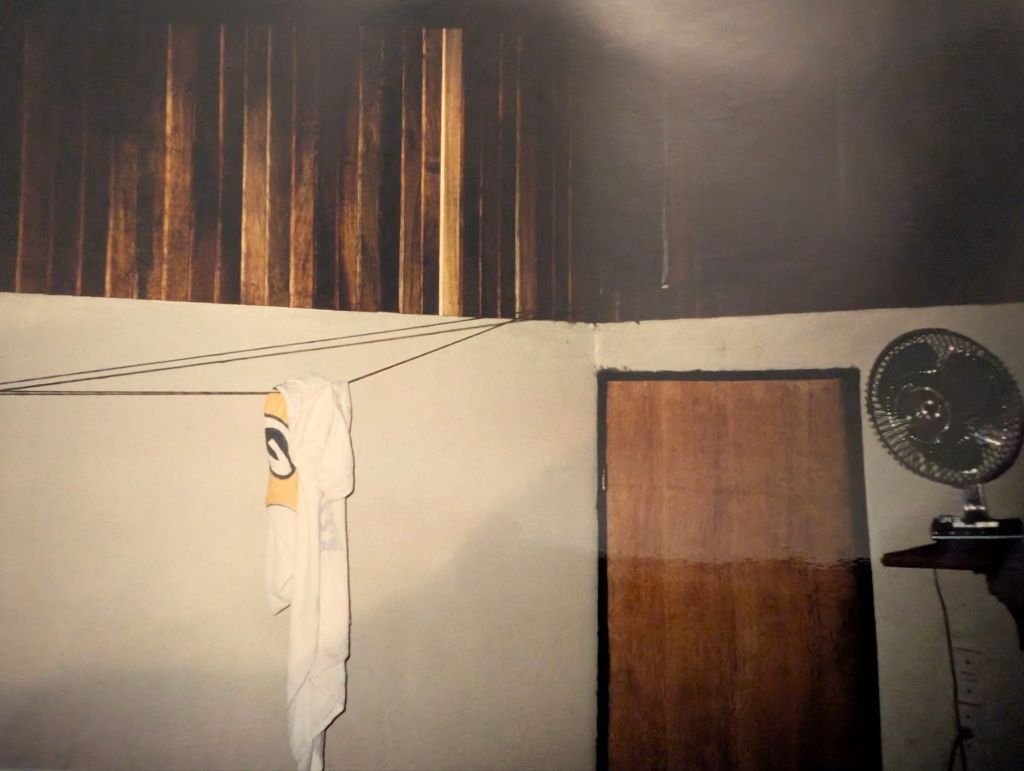
Cahuita at that time was a very tiny town. I don’t recall paved roads and few business establishments. We rented a fairly spacious place that had high ceilings. We stayed for several days. The pace of life was slow. The heat and humidity made it impossible to be anything other than slow. Wet clothes hanging never did dry out. I don’t know how people dried their clothes. The vibe was very Afro-Caribbean and the people reflected that. Reggae music could be heard and the people spoke very differently. I can’t recall if they also spoke creole. Will have to look that up.
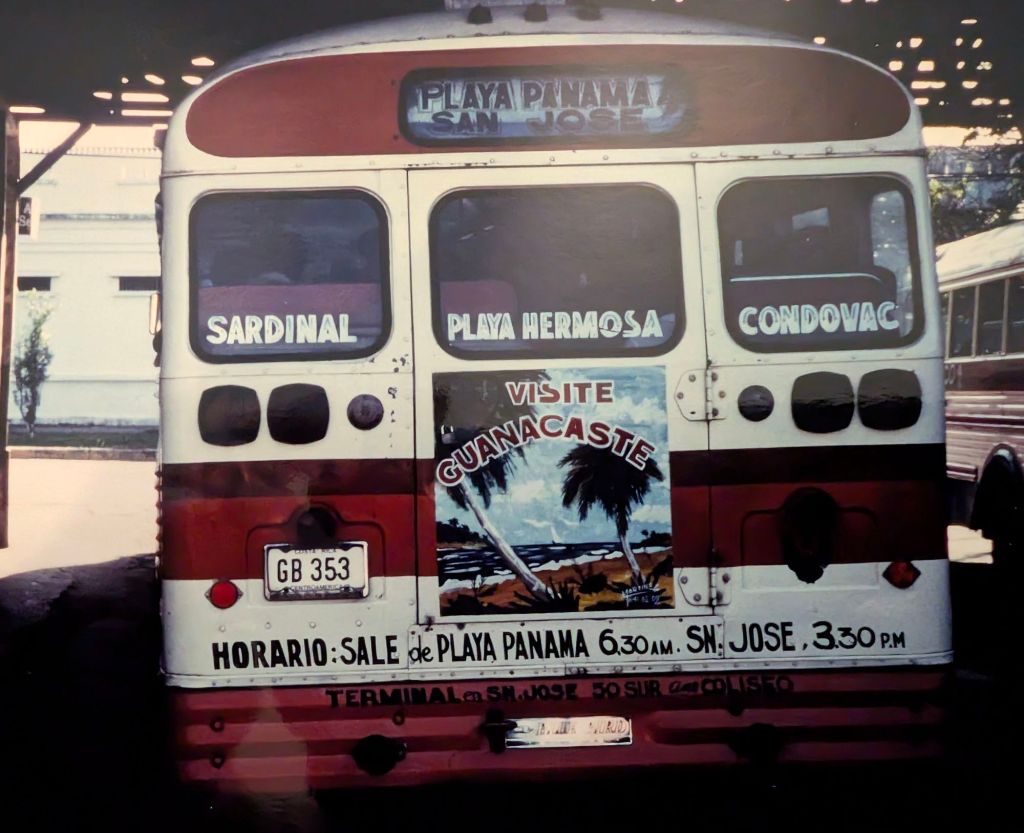
Anyway, the gem of the area was Cahuita National Park which was a short walk down the street from where we were staying. Our first time walking there, we heard a voice and eventually figured out it was a man up in a tree greeting us. He was perched there looking as relaxed as ever.
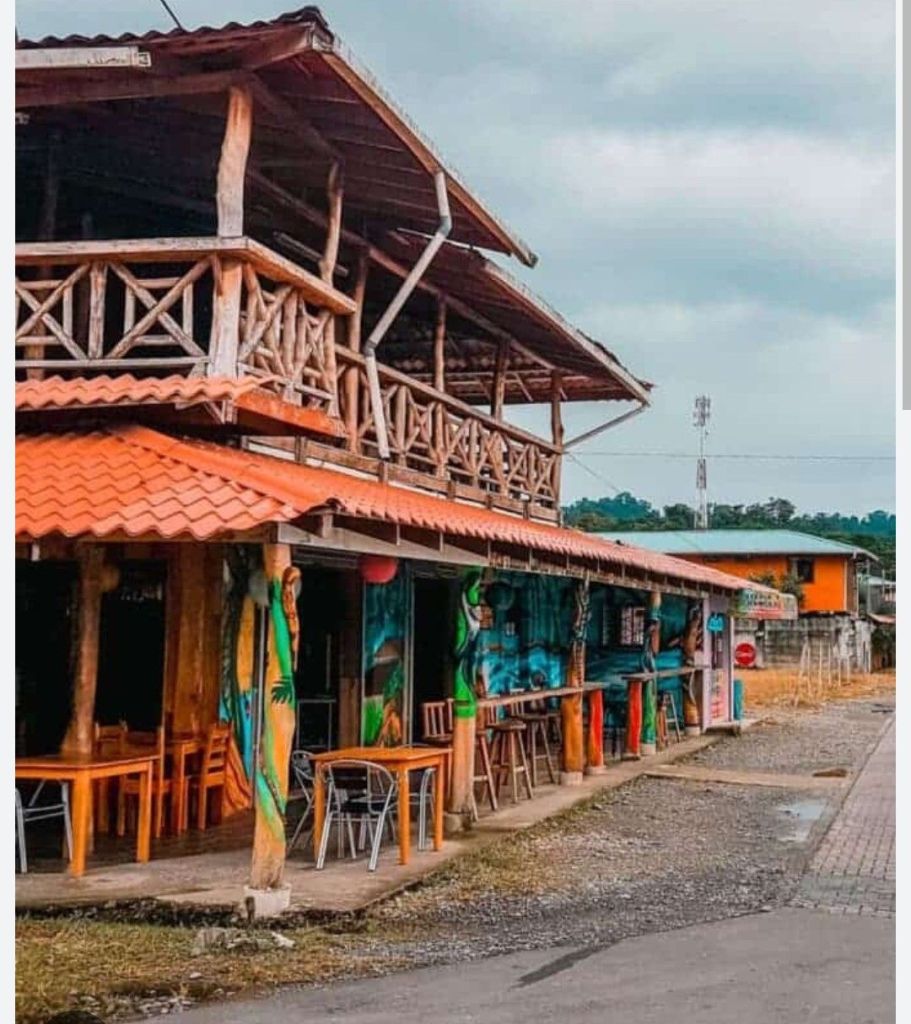
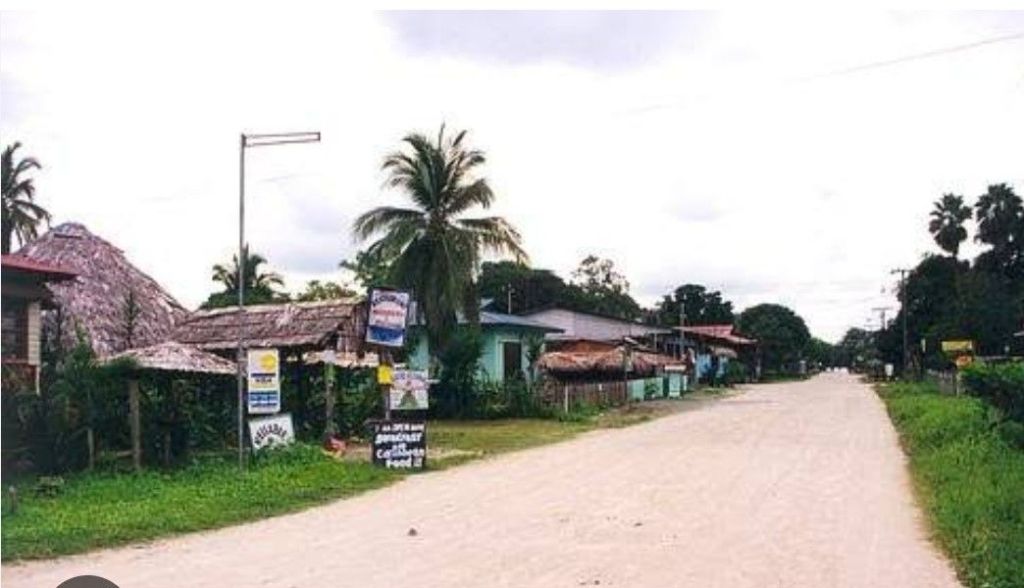
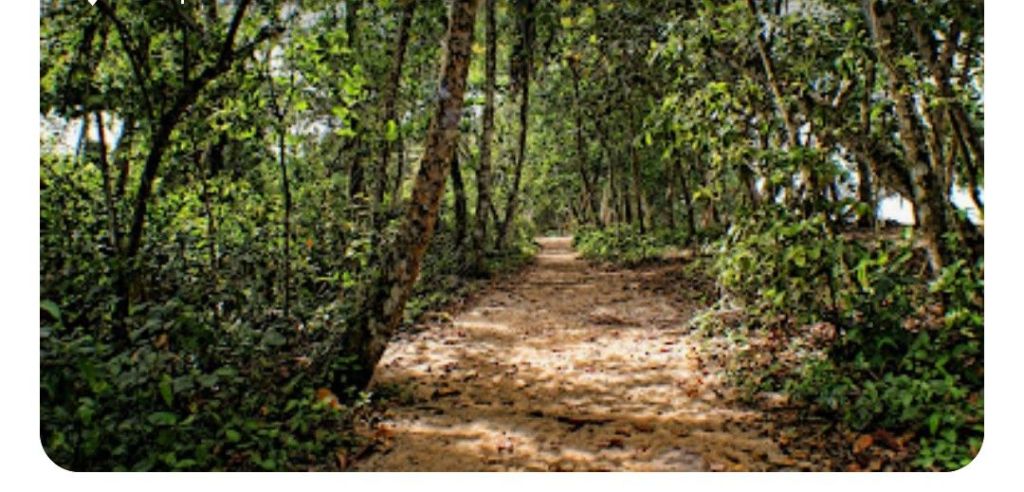
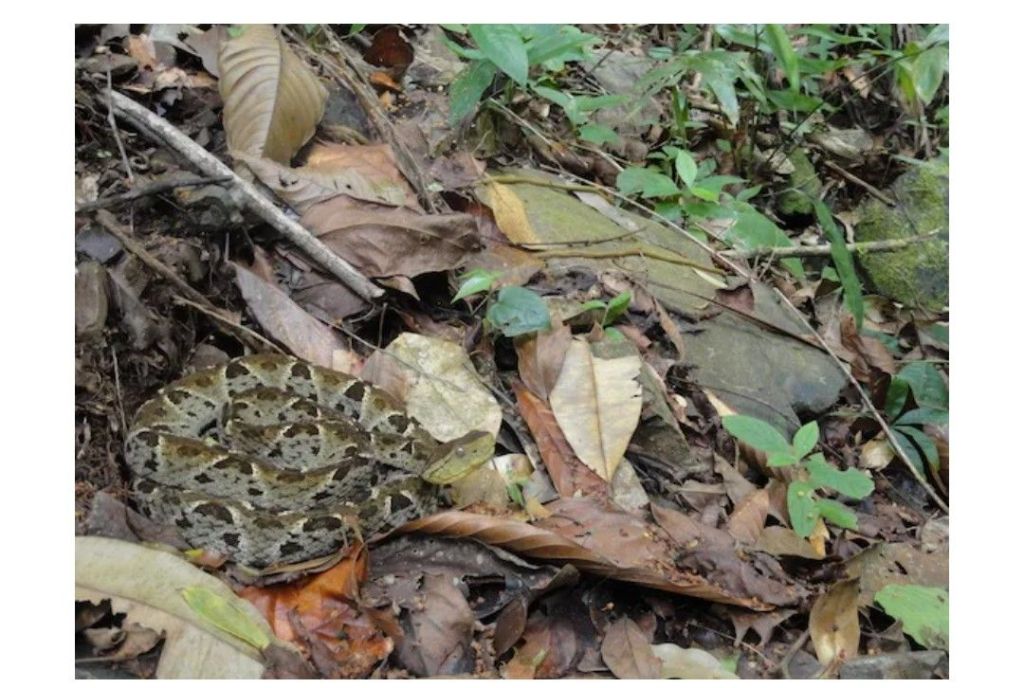
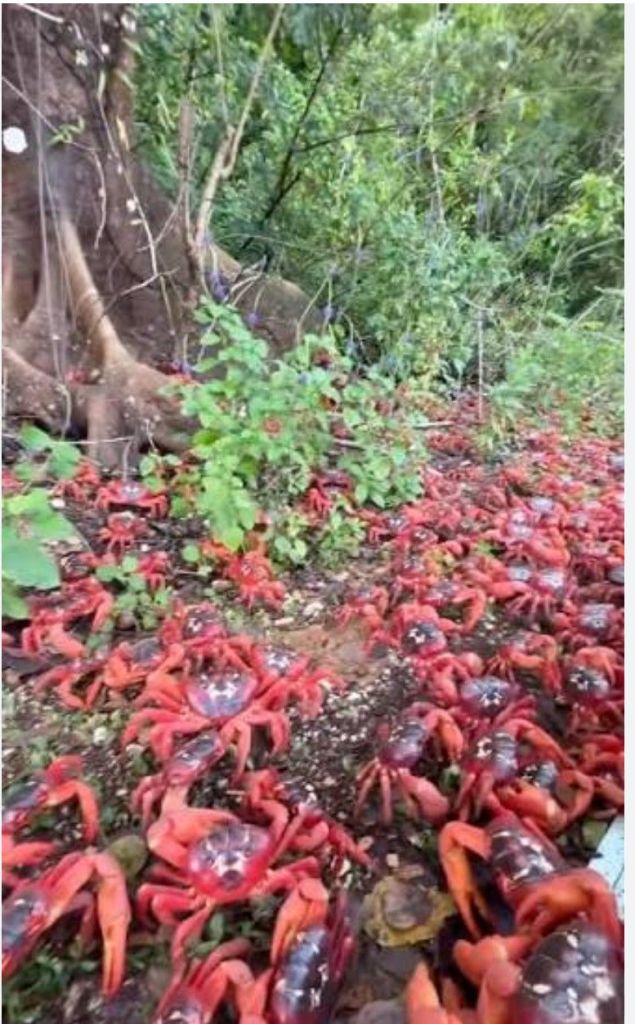
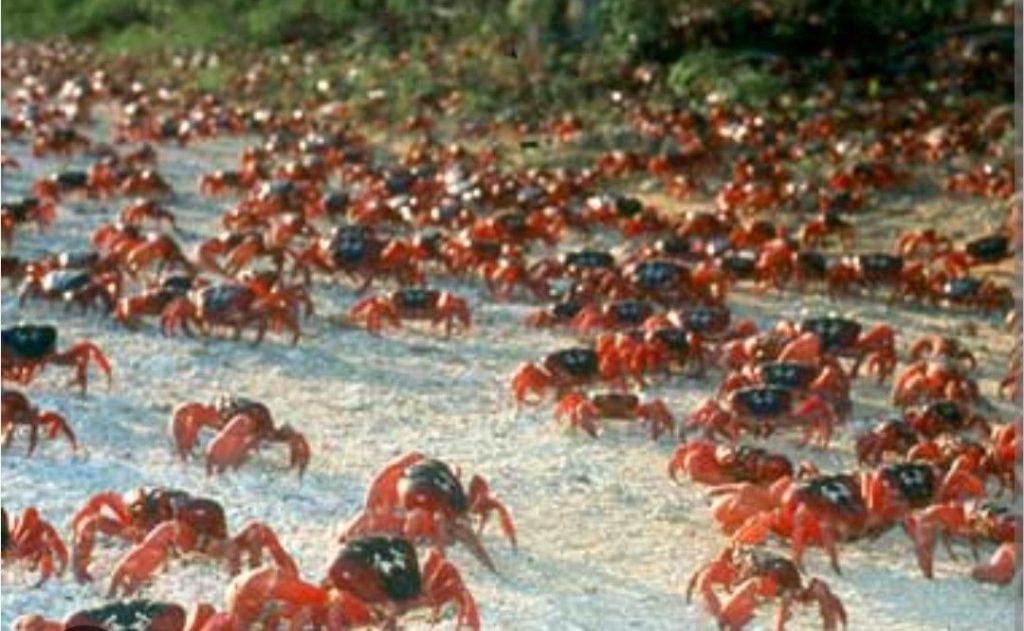
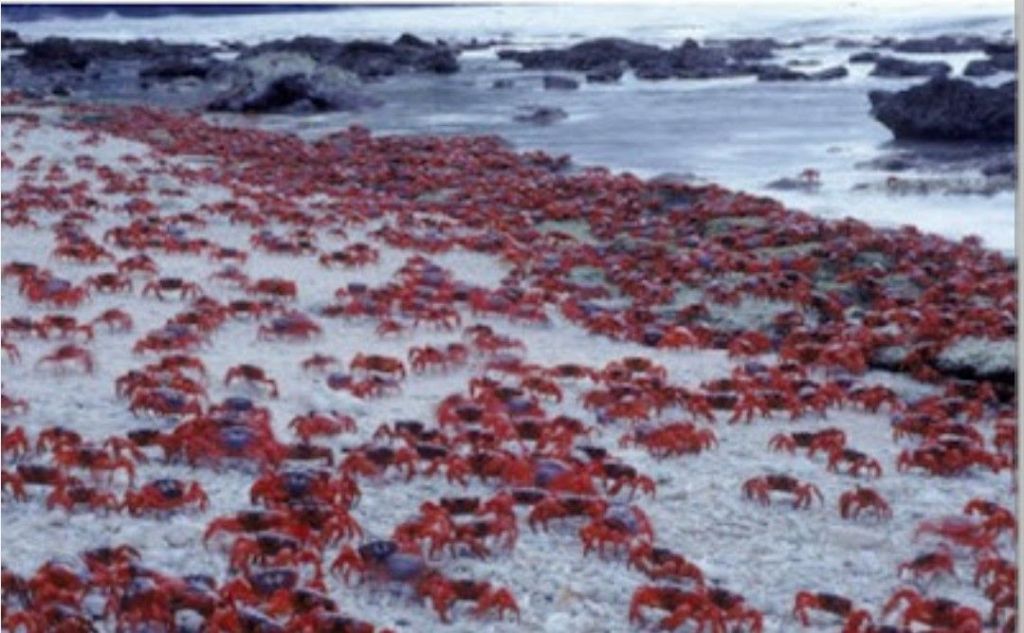
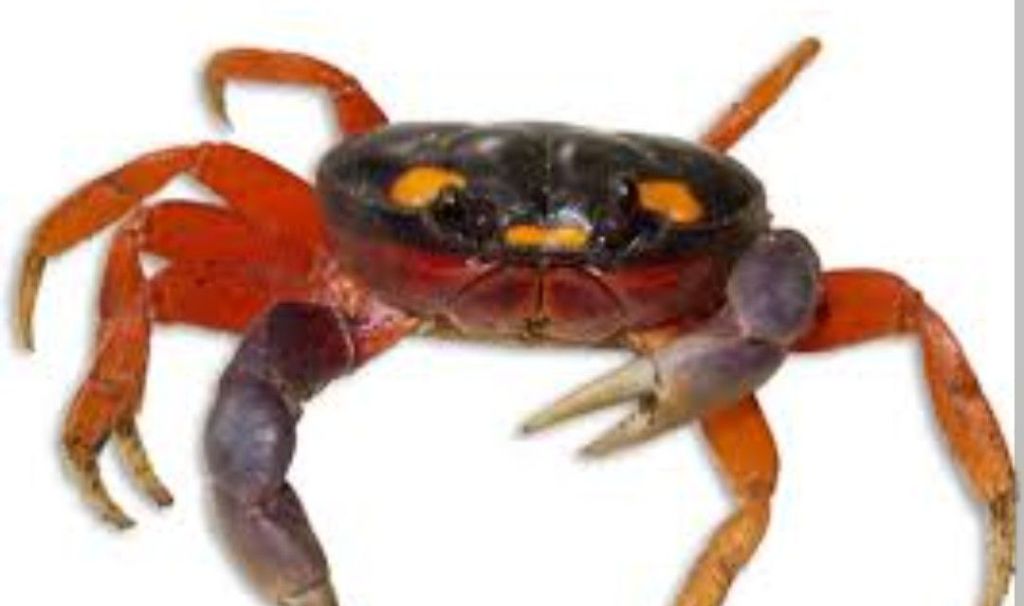
Entering the area there was a trail of sand leading into the jungle straight ahead and to the left you could see the beautiful sea where we did do a little snorkeling. The jungle seemed magical and threatening at the same time. It was foreign territory for us. We knew there were very poisonous snakes in Costa Rica such as the Fer De Lance. Within 10 meters of entering the trail, a long snake crawled across the trail in front of us. My heart just about stopped. Remarkably, that is the only snake I recall seeing while there. After that, our senses were on high alert. One thing that would often startle me was the movement of the red crabs along the jungle floor. It almost made it seem like the ground was moving.
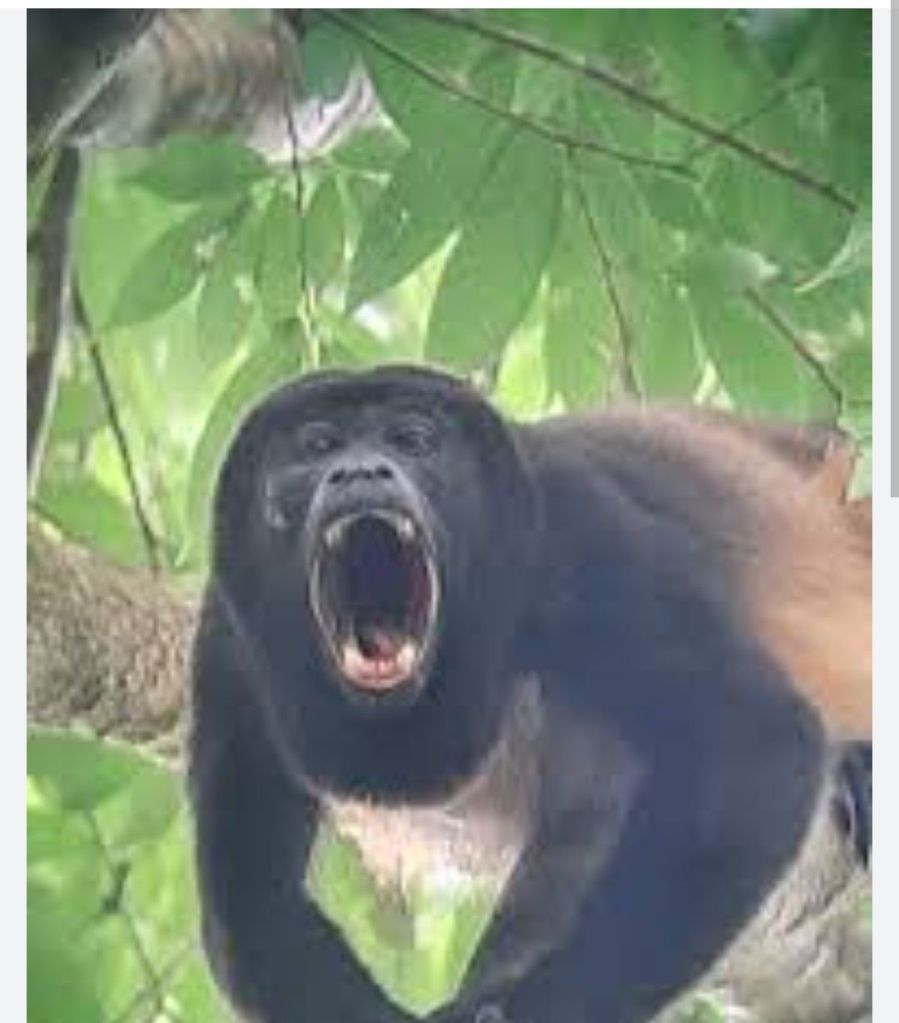
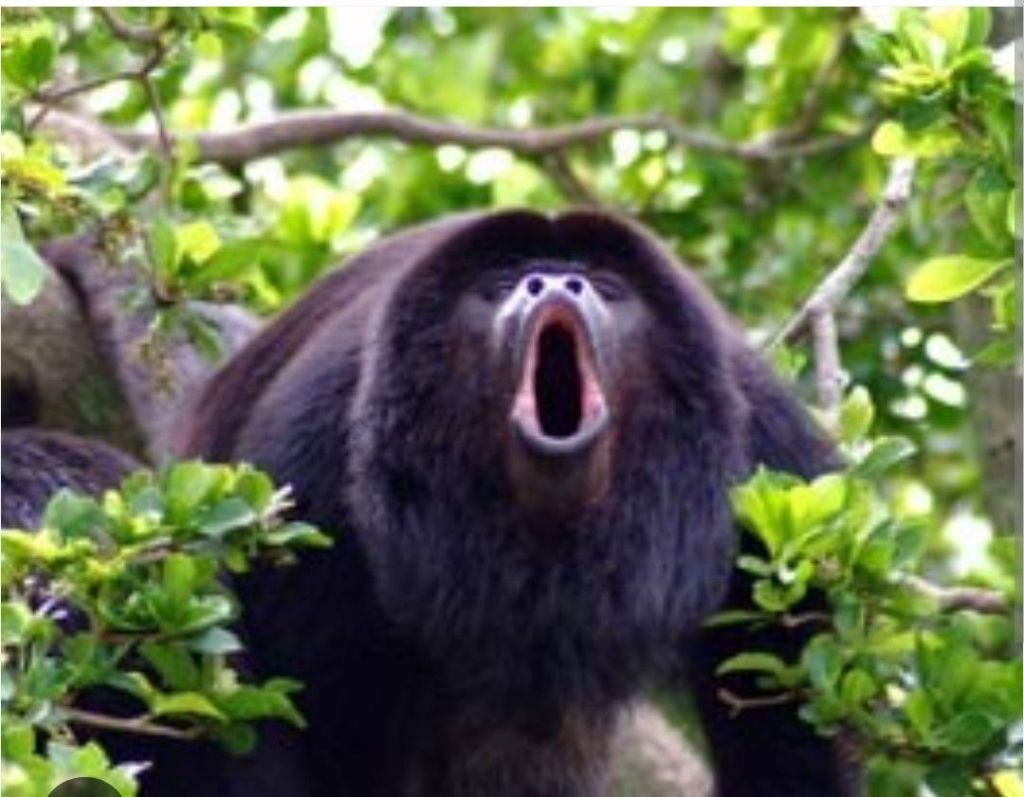
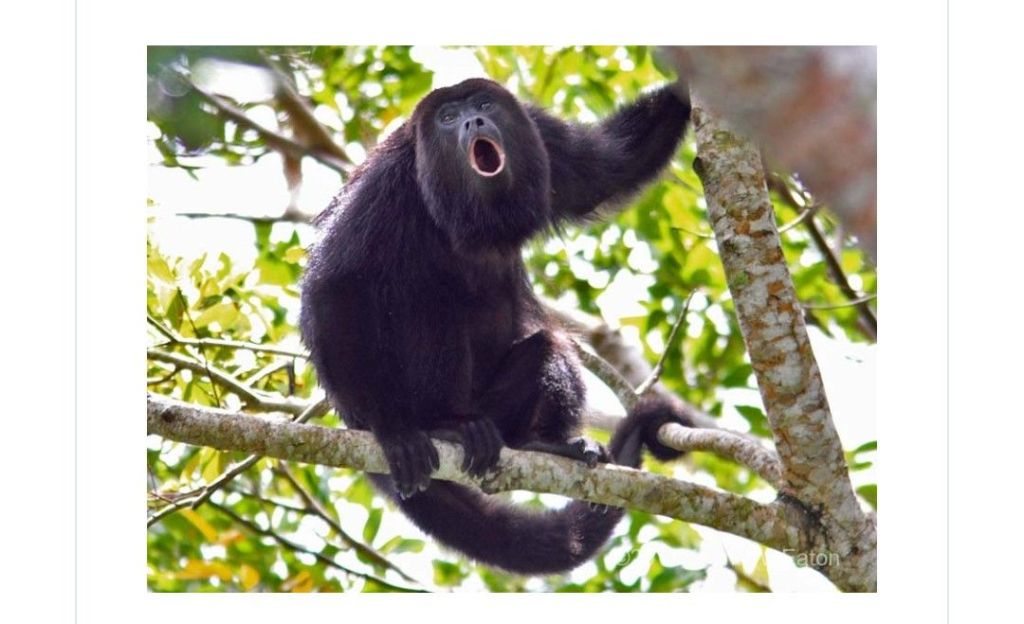
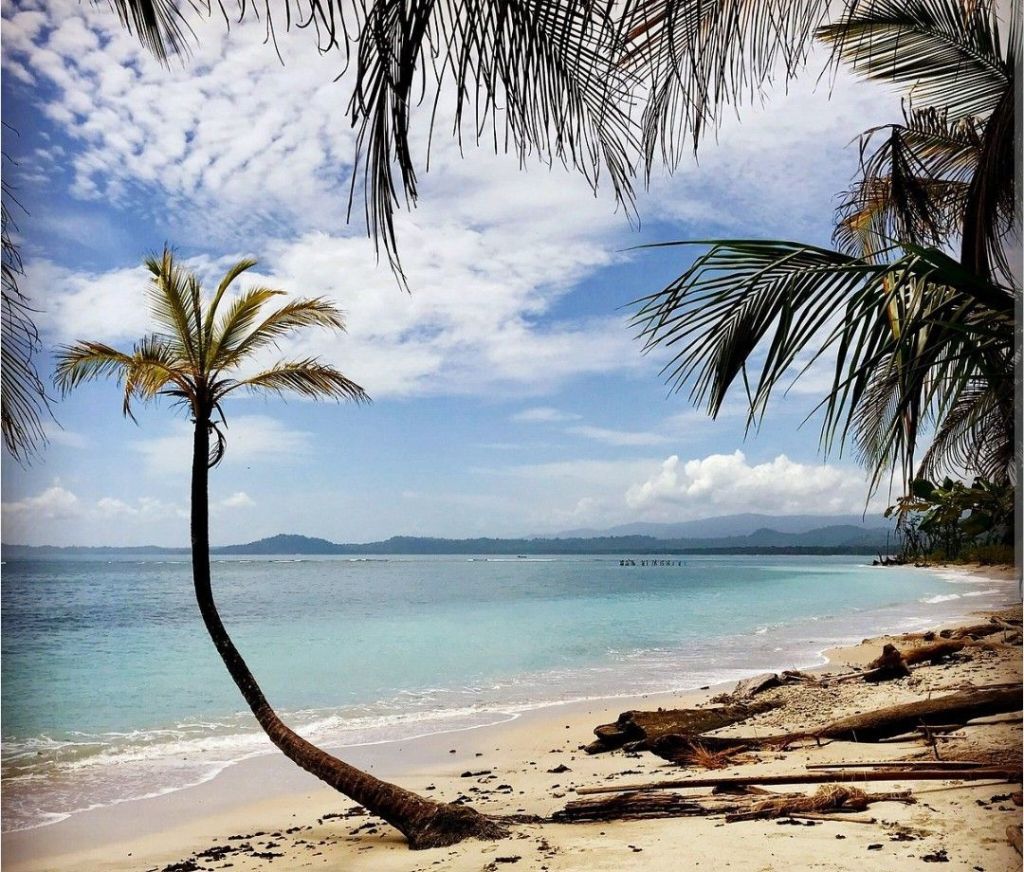
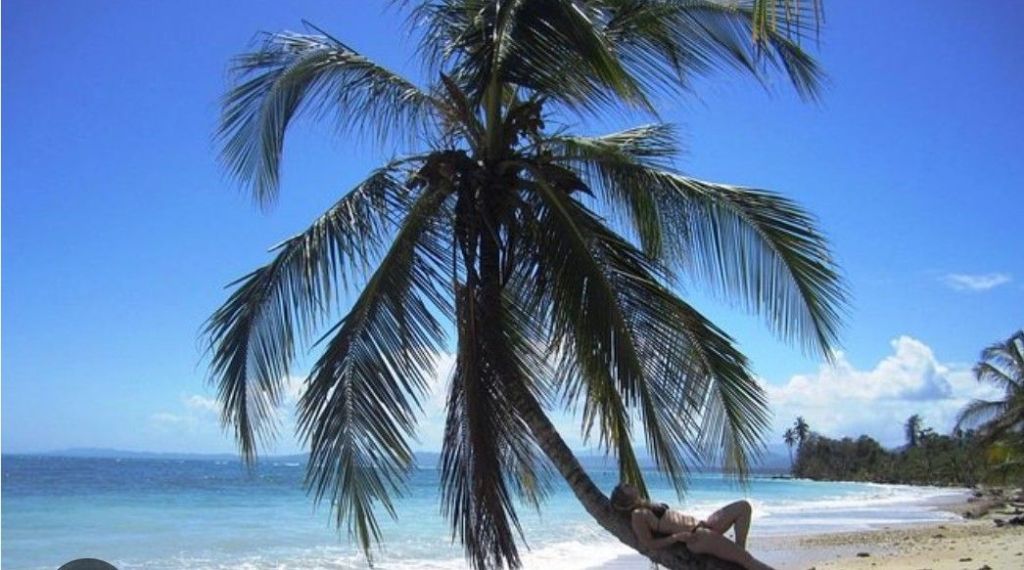
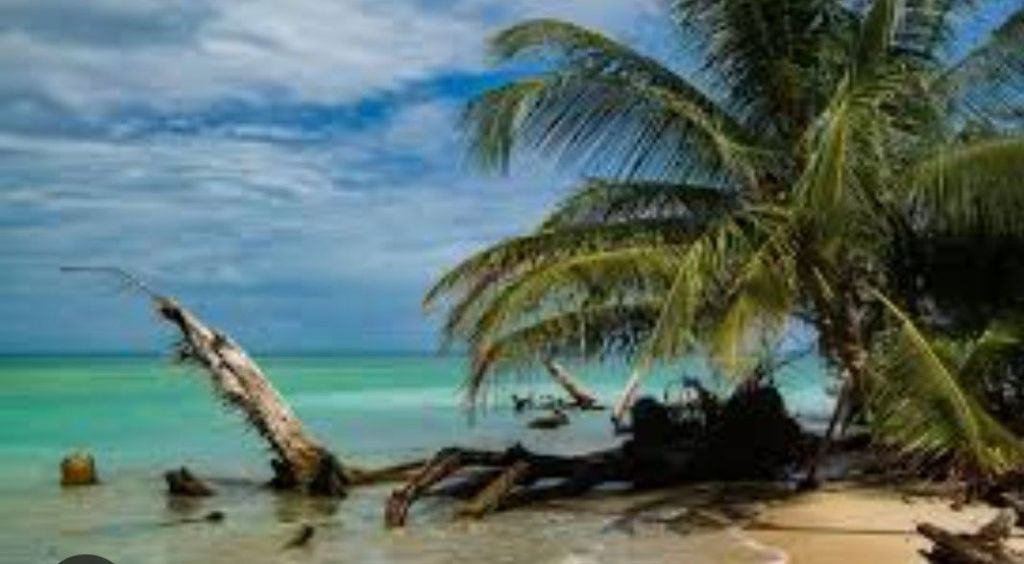
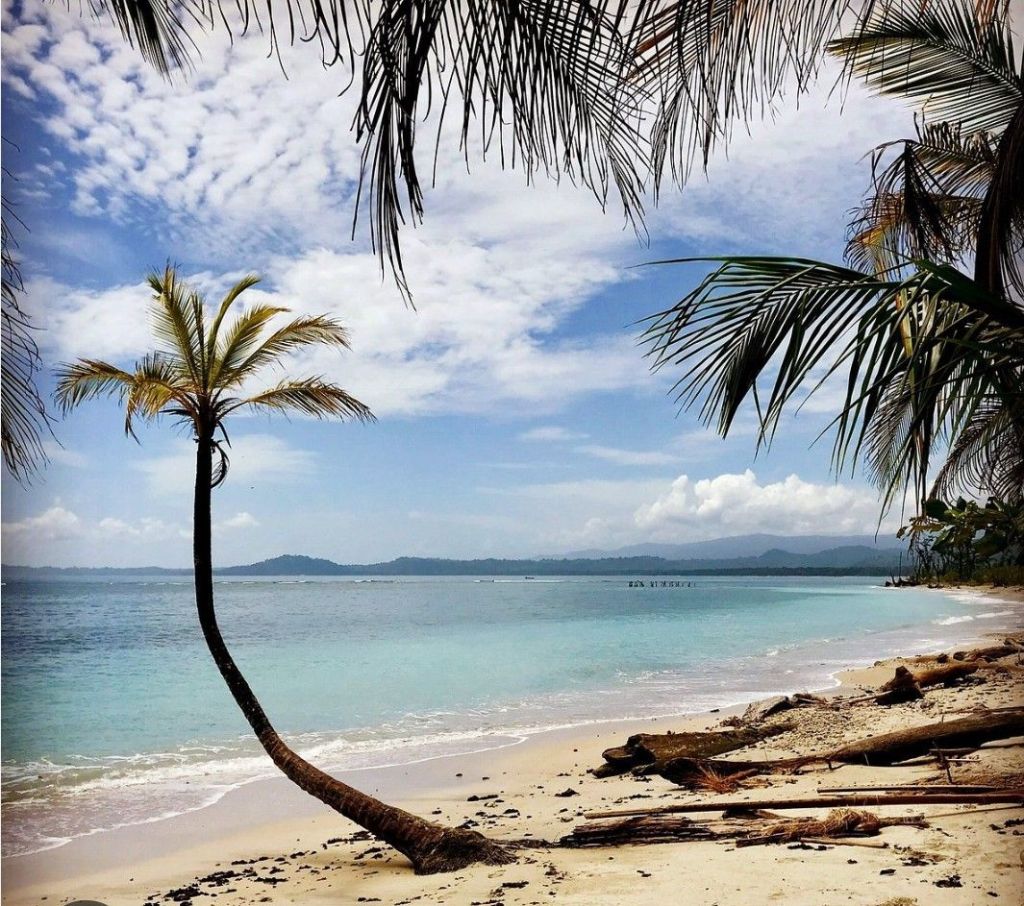
Soon, you could hear the deafening roars of howler monkeys shouting from the trees. It was difficult where they were howling from, but the were everywhere. Spectacular projection of sound. Talk about exciting. The only monkeys I had ever encountered in my life were in a zoo. This was a new, awakening experience. I don’t recall a lot about our time there, but those first moments were unforgettable!
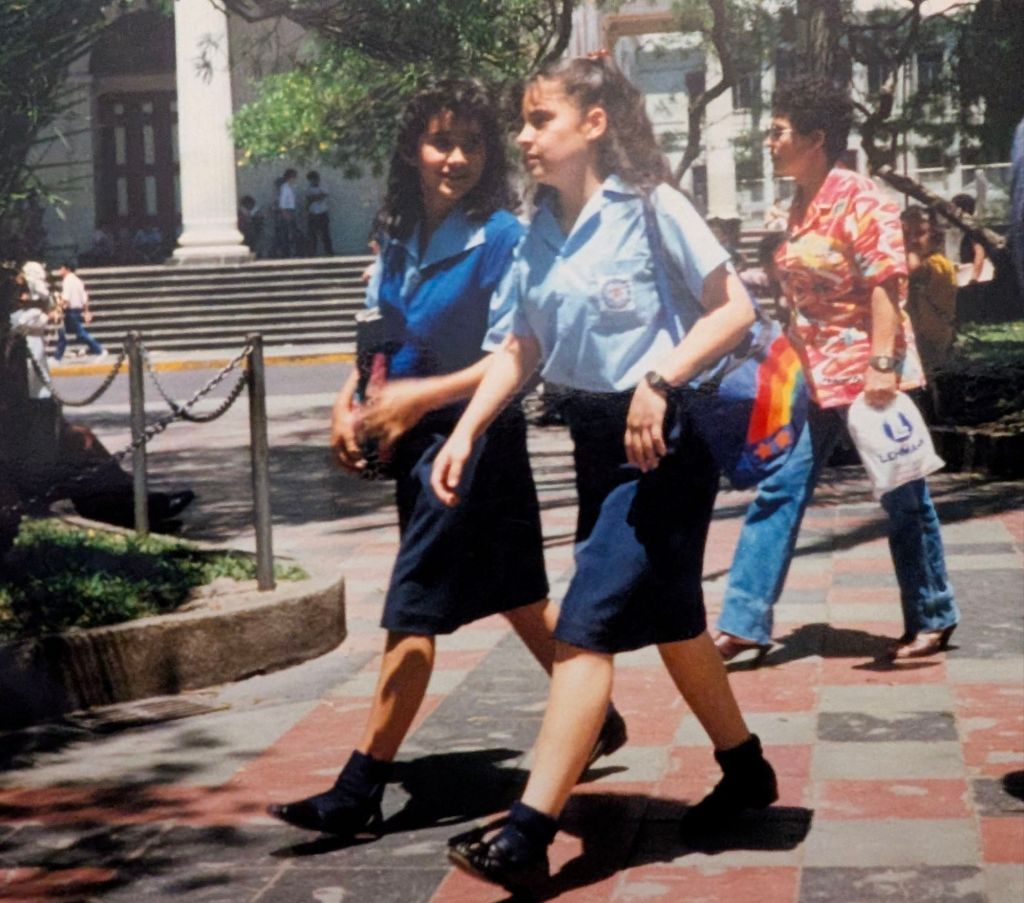
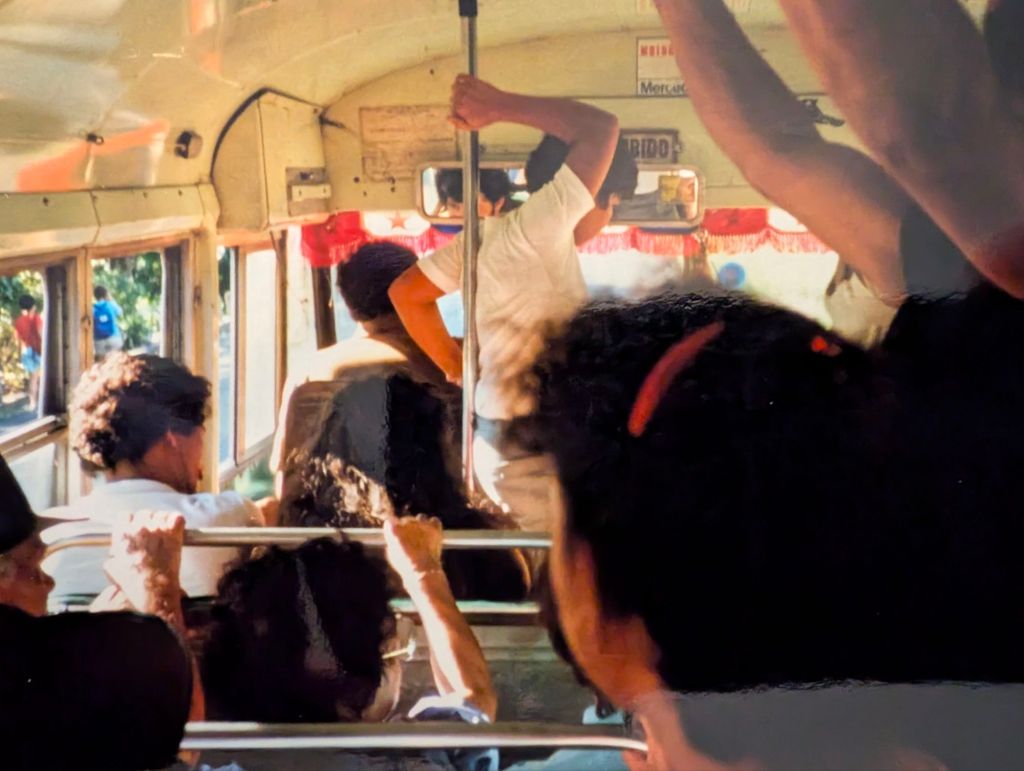
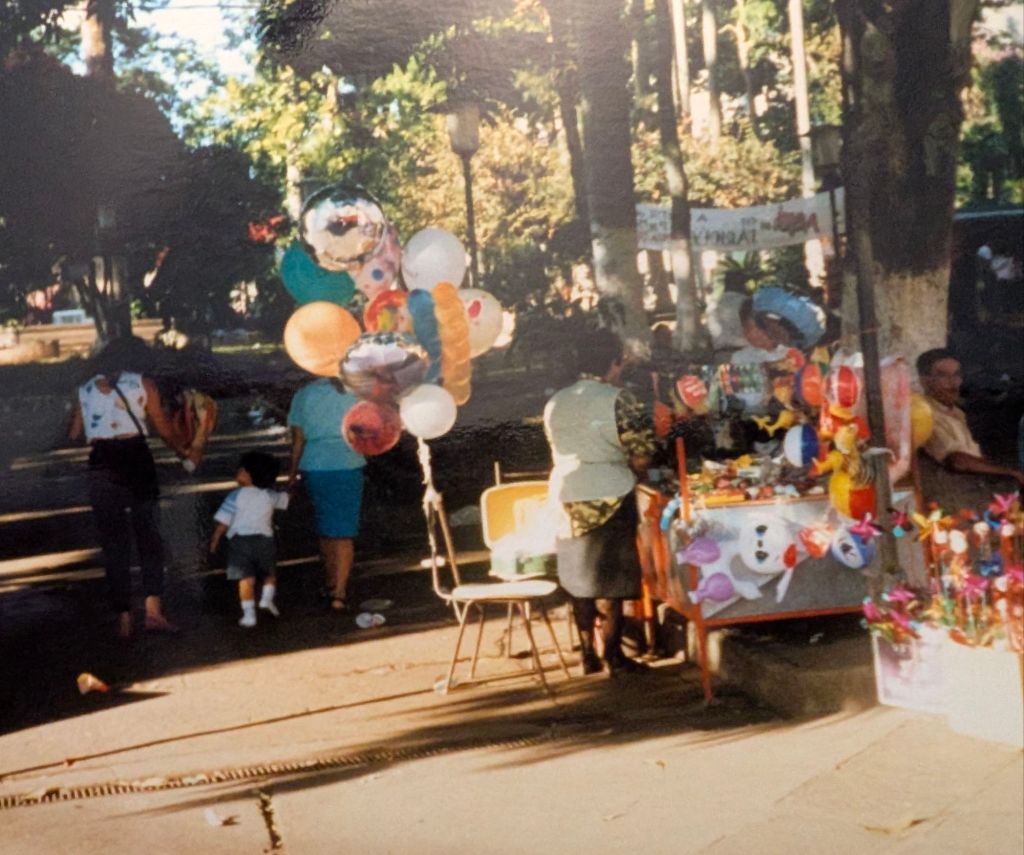
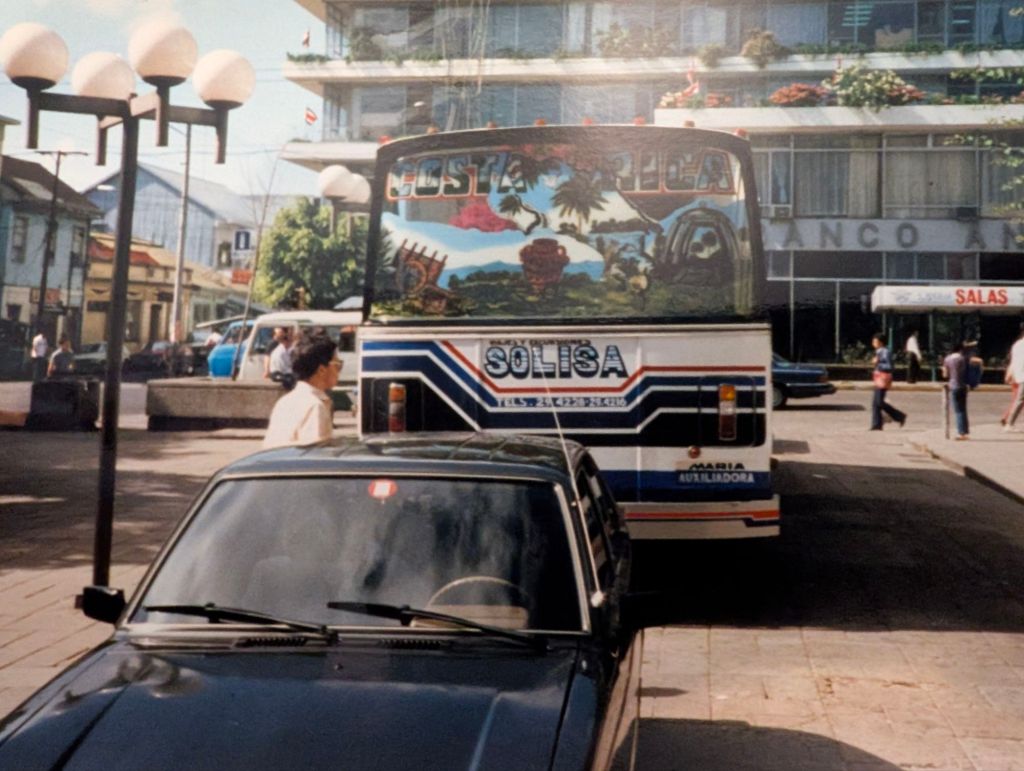
From Cahuita, we made our way by bus, back to the town of Alajuela, which is near the international airport. For whatever reason, each time I am in San Jose, I seem to spend a few nights in Alajuela. There is nothing particularly memorable. There is a nice town square that people mill about which makes for good people watching. I have a few distinct memories from there and nothing more.
I recall eating breakfast there and meeting a sixty year plus man with around a twenty year old woman. They seemed exquisitely happy. Sometimes these intercultural, large age gap relationships work just fine. I am much older than my wife from the Dominican Republic and it never entered our minds when marrying. With young children, one becomes aware of the necessary planning for the future, but otherwise a non-factor for us.
Another unforgettable memory was when I was taking a shower in our low end lodging. I reached up near the nozzle for some reason and received a jolt of electricity like I have never even imagined. There were some exposed wires and it shook me to my core. Won’t do that again. Frightening. One of those things you carry around for life.
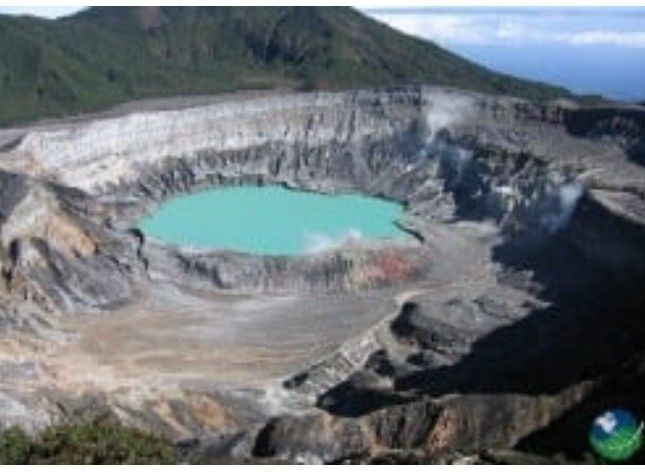
I don’t remember the sequence, but at some point we went to Volcan Poas. Costa Rica has some wonderful volcanoes and mountains. There is Arenal, the Talamanca range and Rincon decals Vieja, where I took my kids years later. We soaked in thermal waters and out volcanic mud in our bodies. I suppose it has healing properties. Anyway. Poas was beautiful but I don’t recall much else.
From there it was on to the Northwest coast and the province of Guanacaste. It was so challenging to choose where to go as there were so many spectacular options. We didn’t make it to Manuel Antonio or Corcovado. We didn’t make it to Arenal or Tortuguero. Guanacaste was pretty amazing.
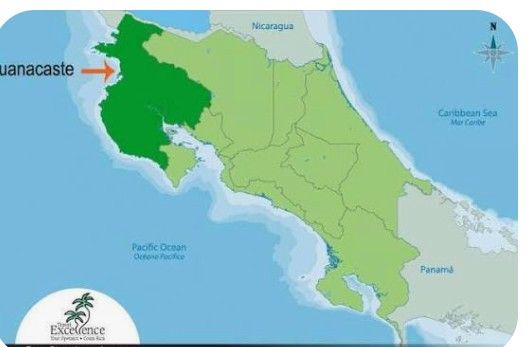
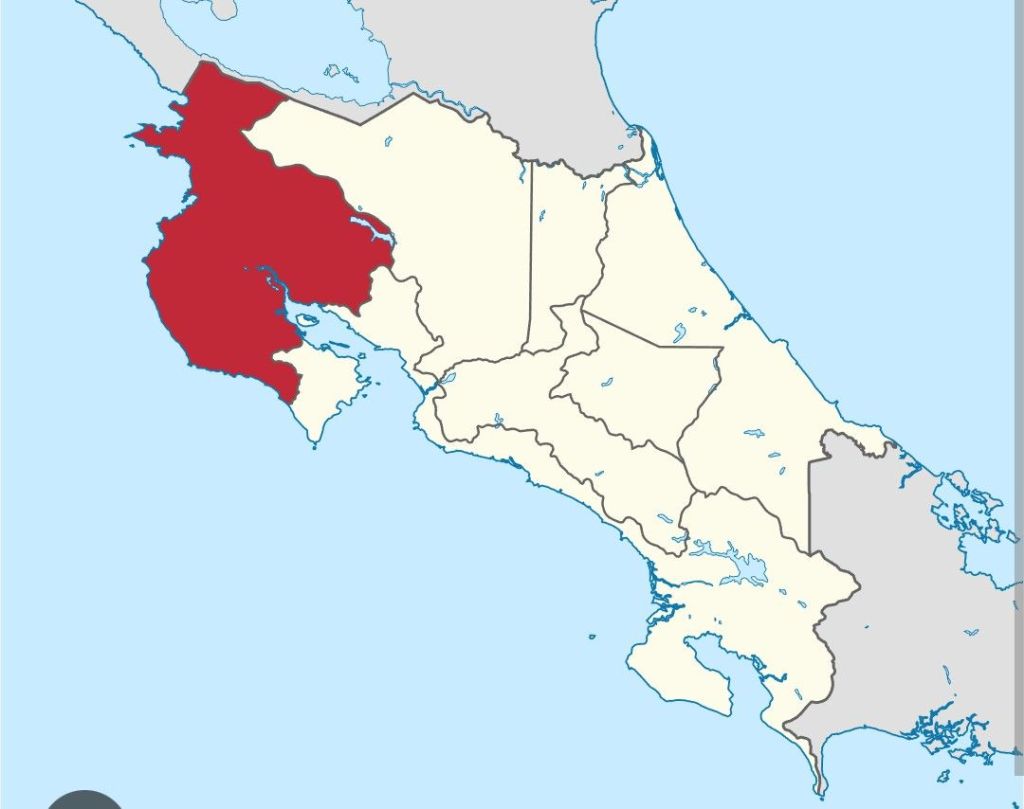
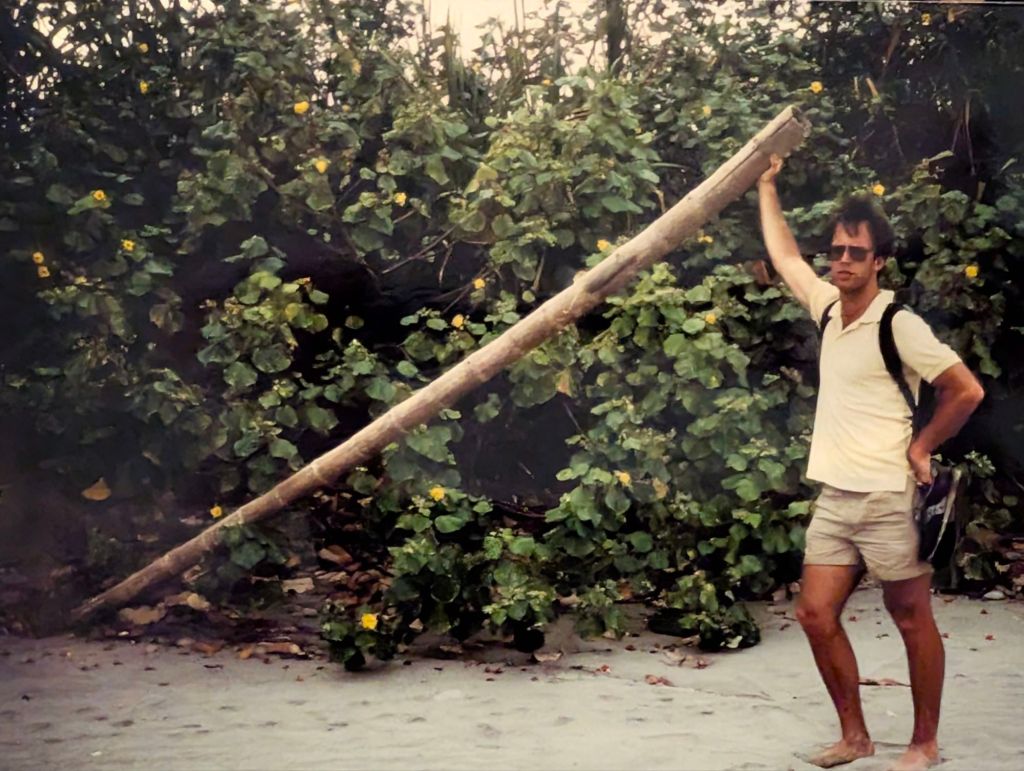
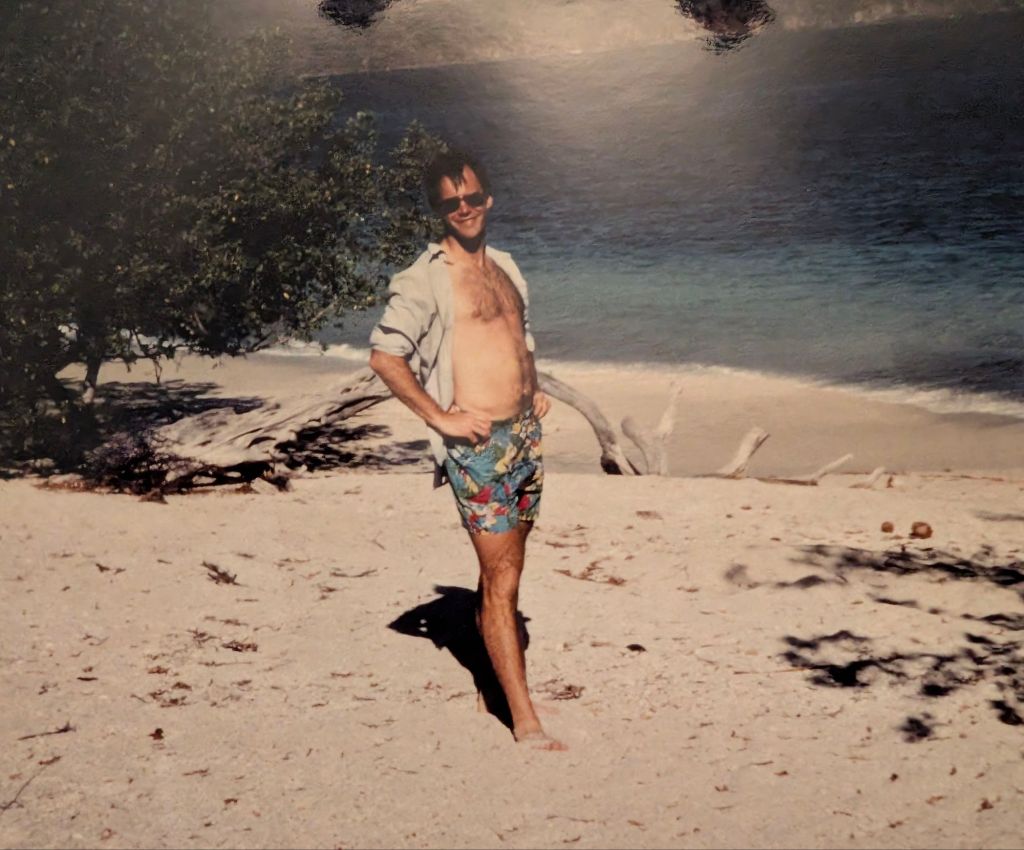
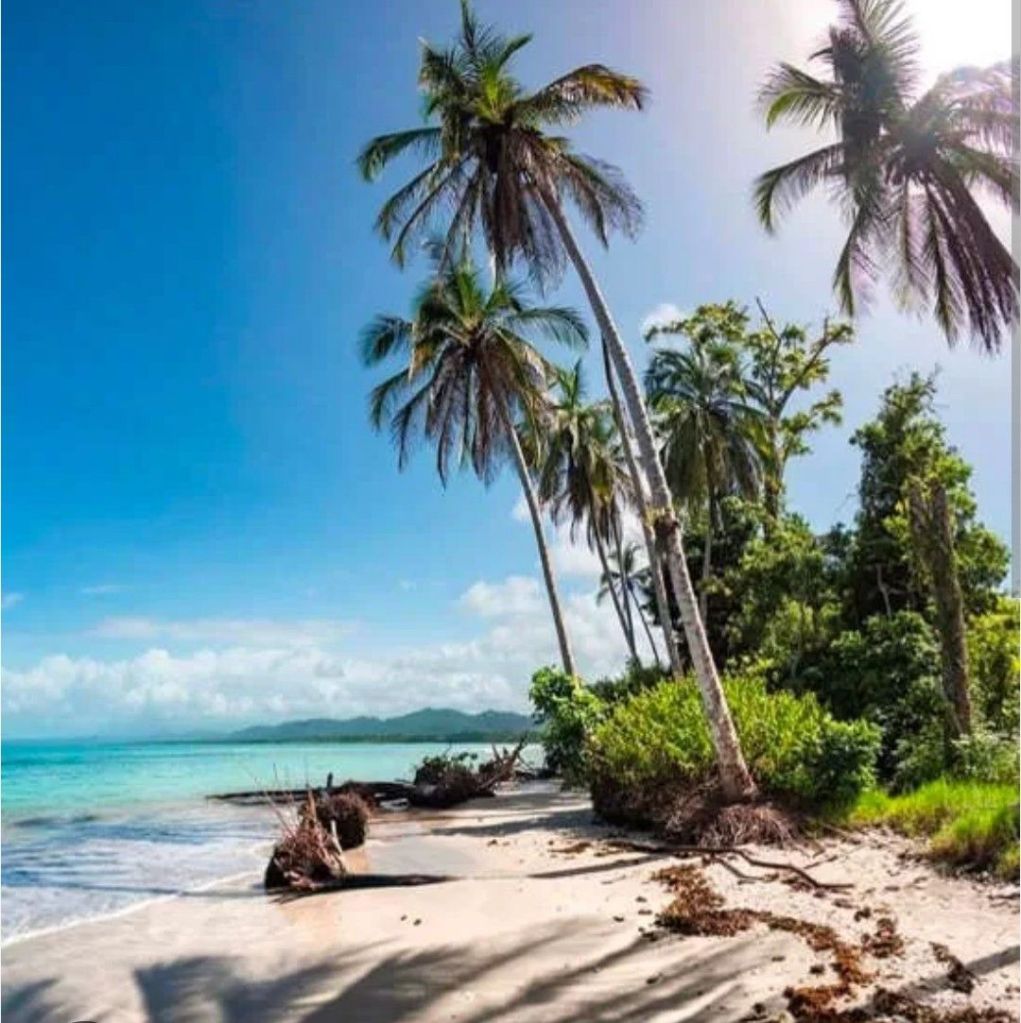
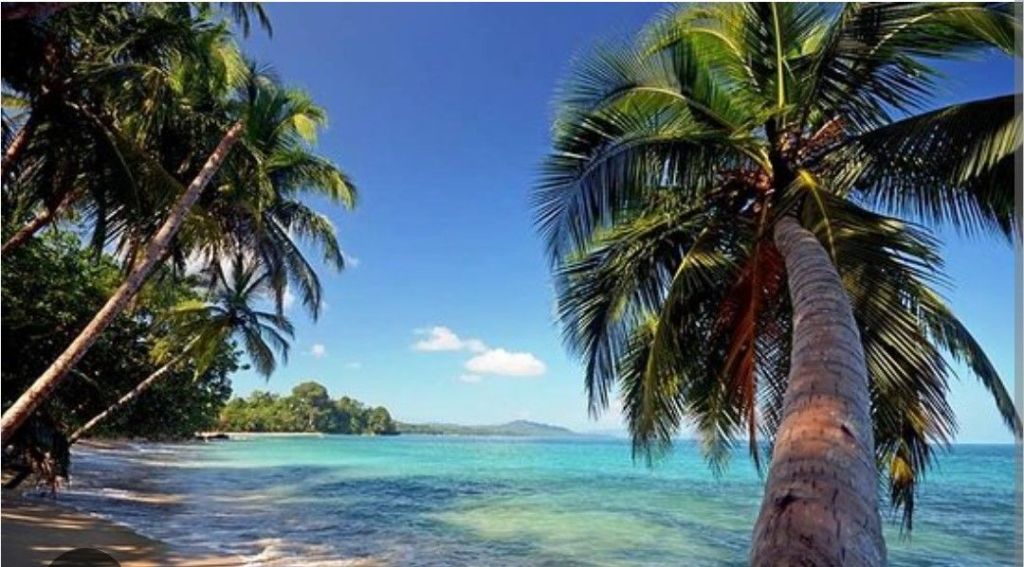
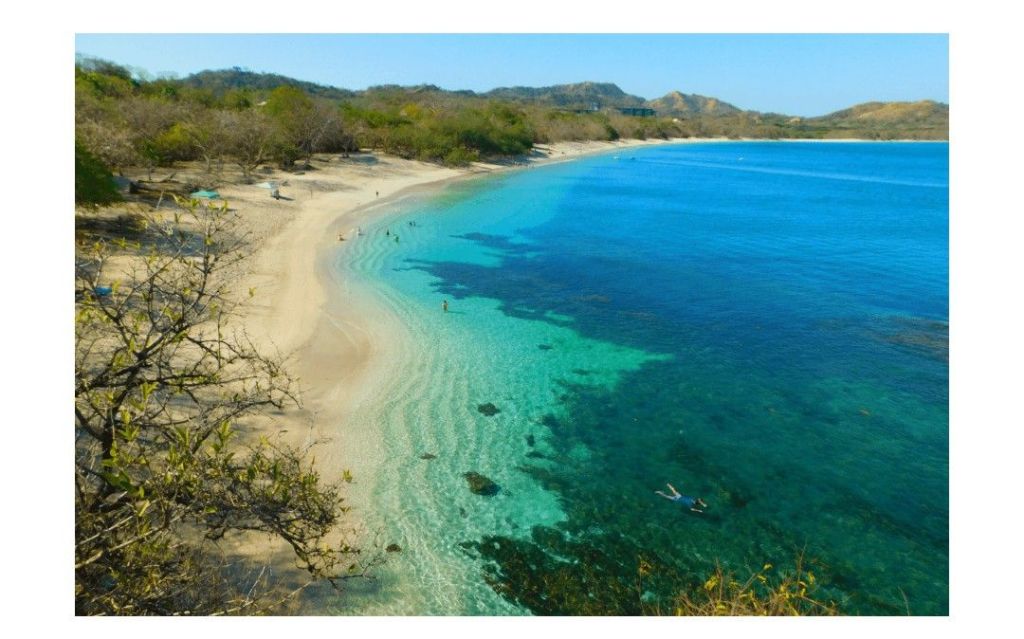
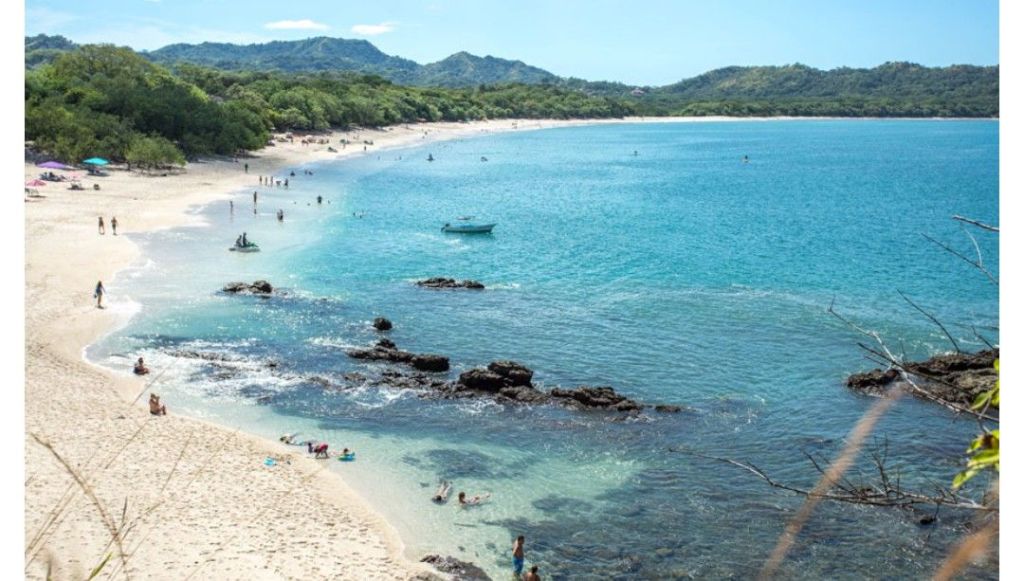
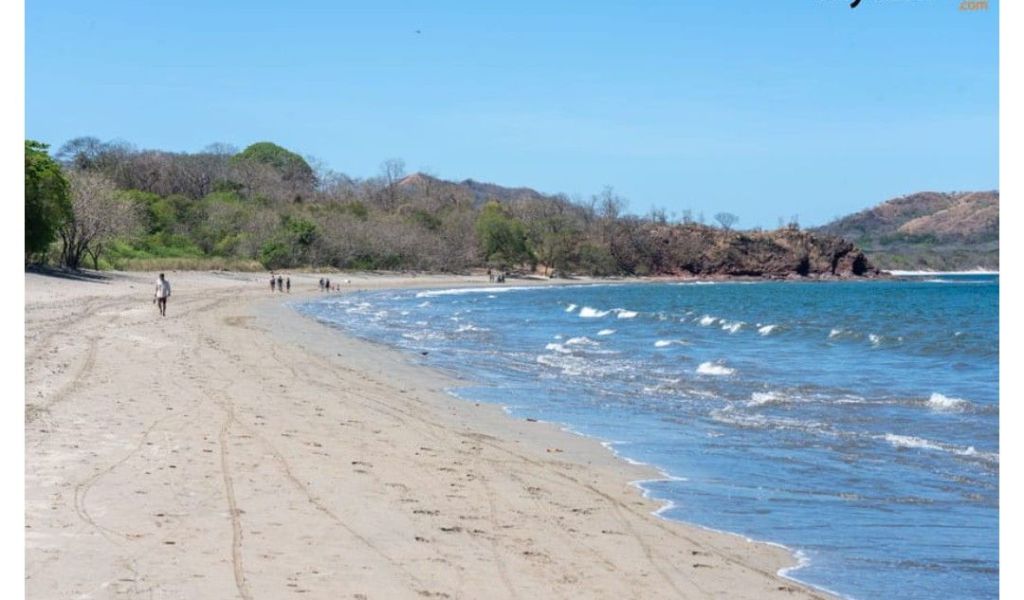
In Guanacaste we went to several magical beaches and the famous dry Santa Rosa Park. We went to Playa Conchal, Brasilito, Potrero and more. If one goes there now, it would be hard to imagine, but these places were vacant.
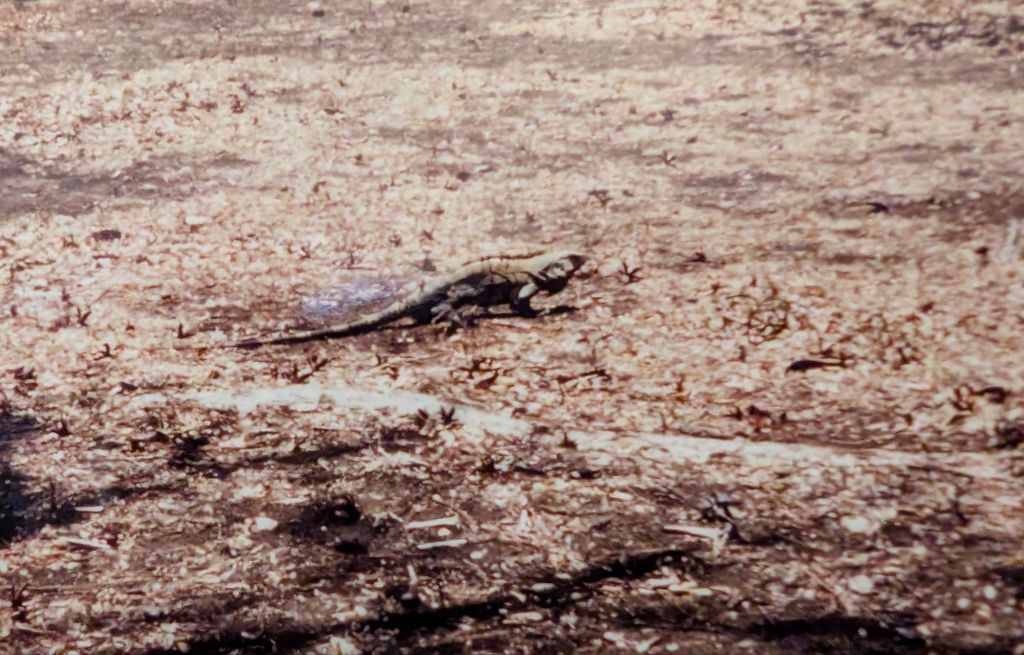
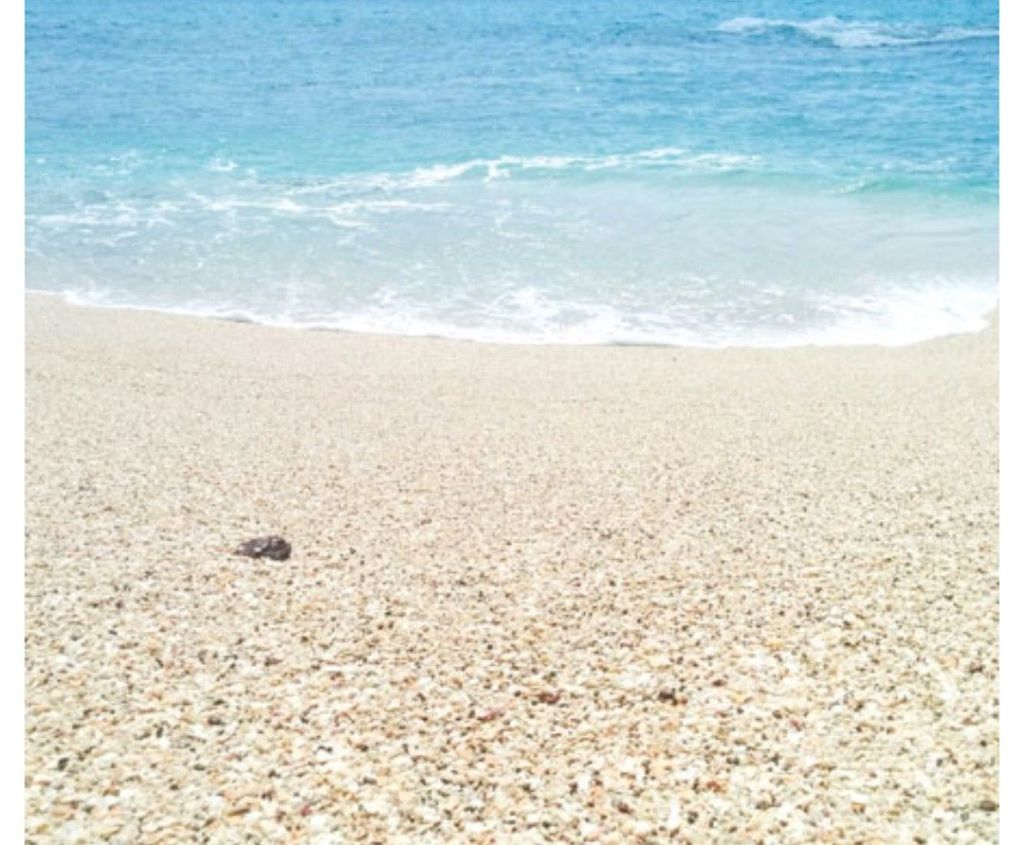
Brasilito was a small town. From there you had to walk about 15 minutes over a hump of land to arrive at the beach named Conchal. It truly seemed as if on another planet. There was nobody there. Concha means shell and the beach was made entirely of small pieces of shell. Each time the incoming waves would pound the shores and retreat into the ocean, one would hear the tinkling of the shells. On the shore, you would occasionally hear a loud “plop” behind you. It took us a while to figure it out, but Iguanas were dropping out of trees to the ground below. Then in the heat of the intense sun, we had our first cicada experience, with the deafening roar filling the air. It was scary at first. It sounded almost like an airplane building up to take off.
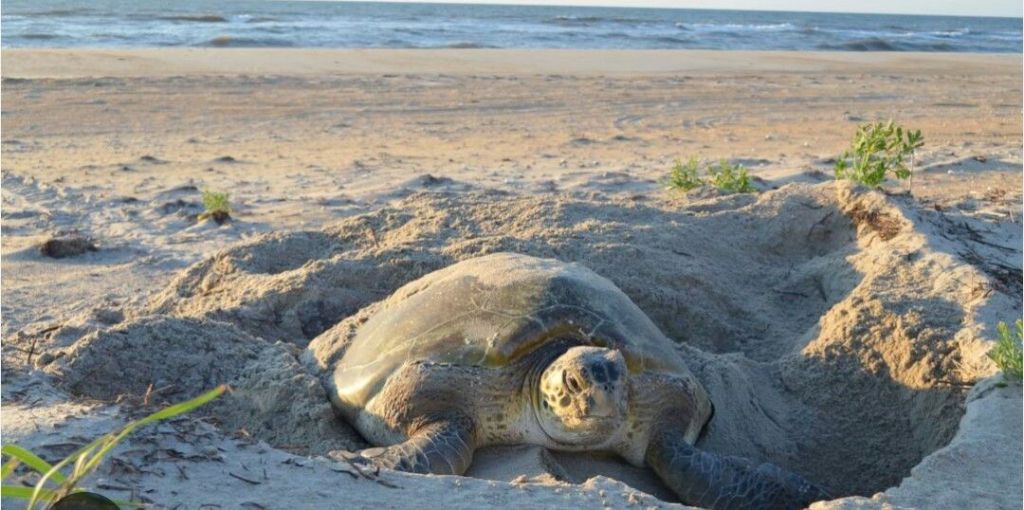
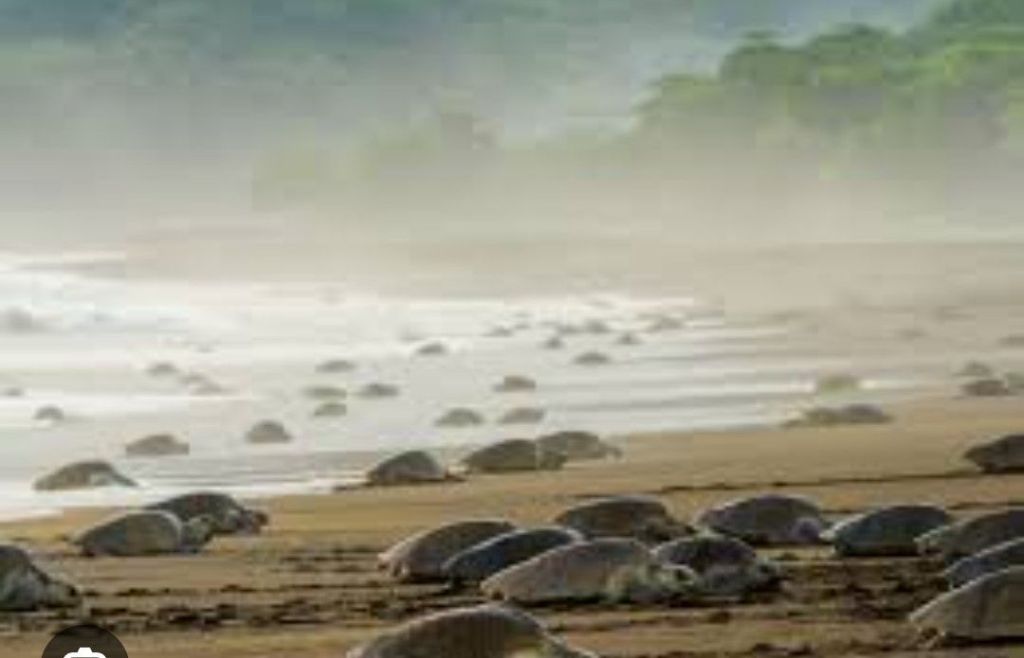
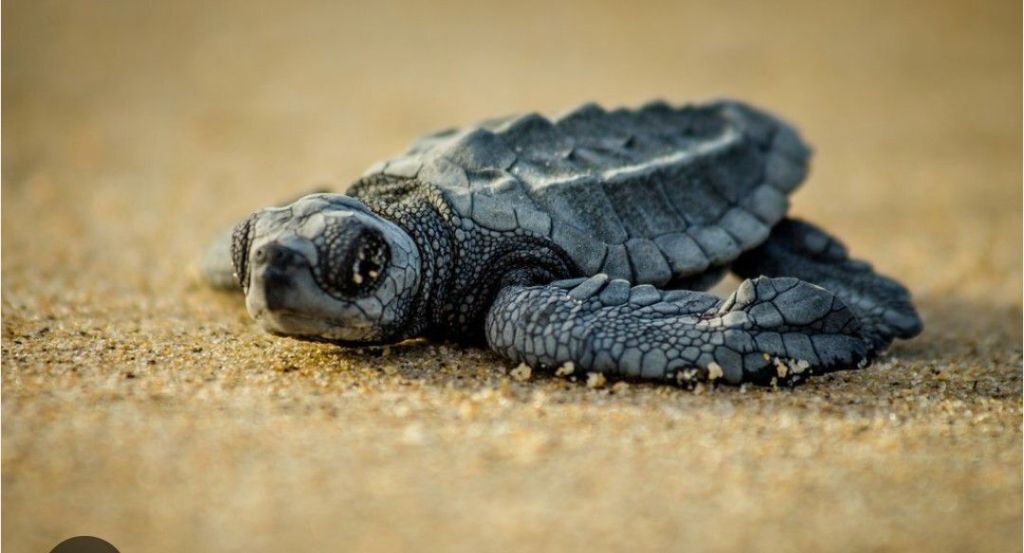
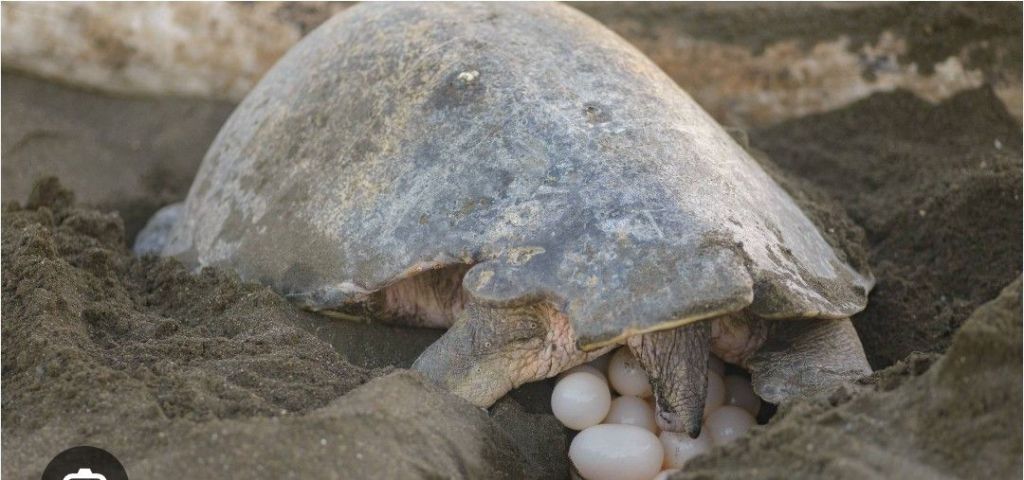
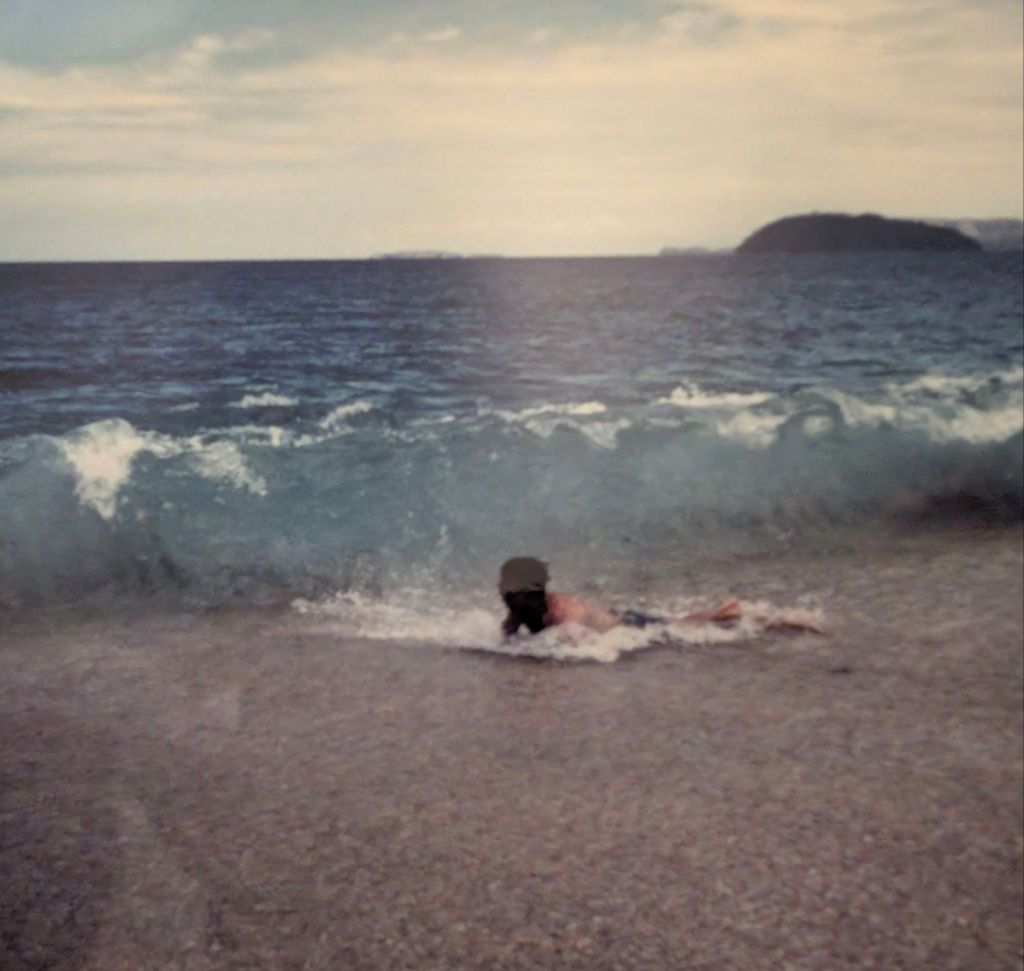
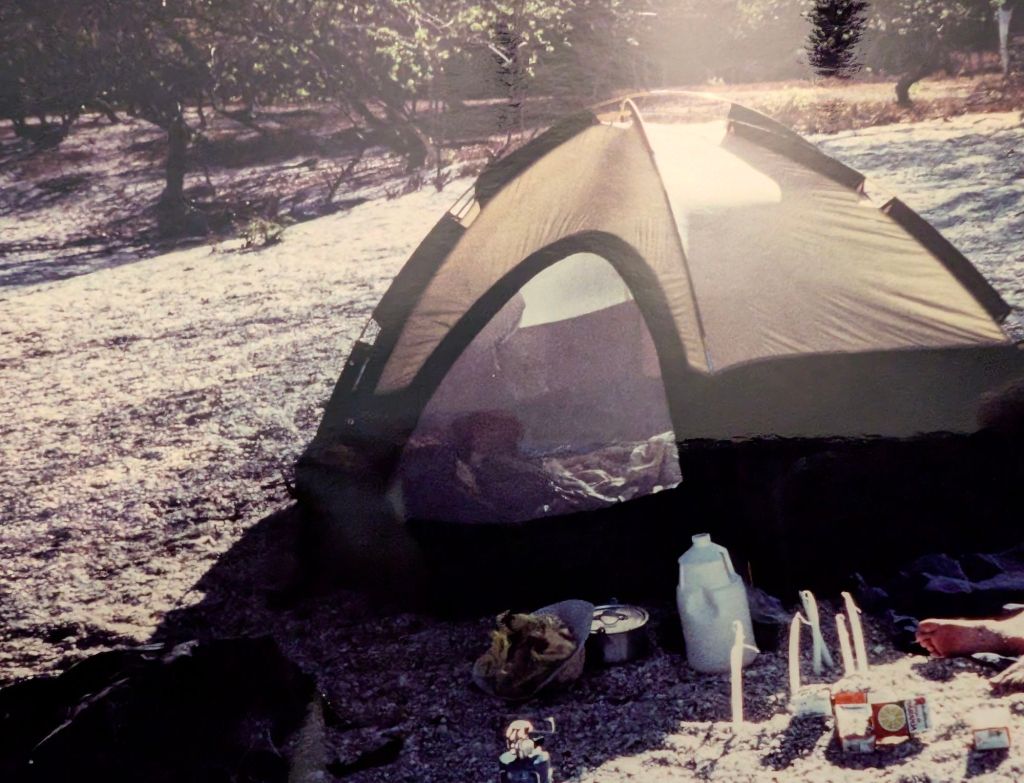
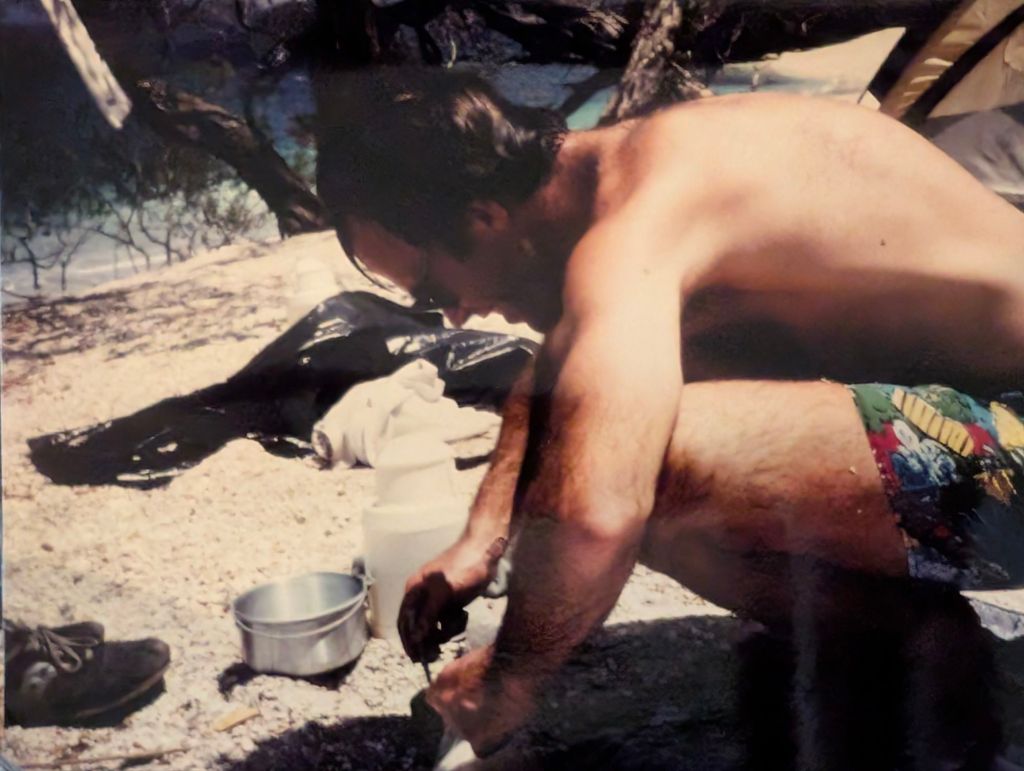
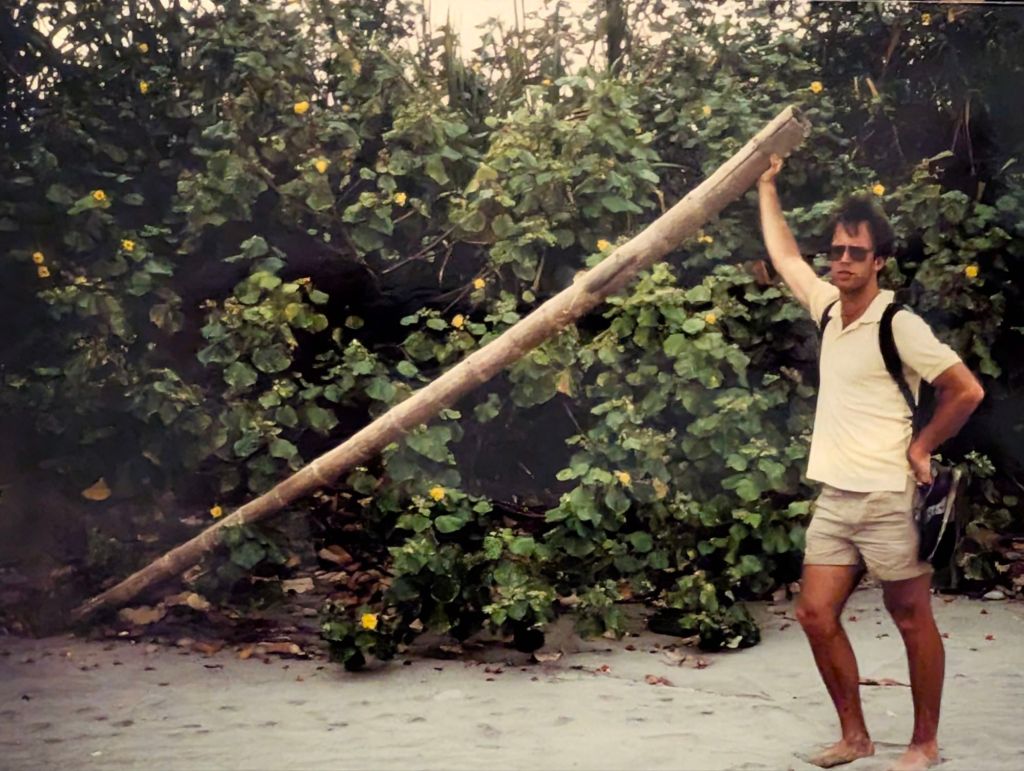
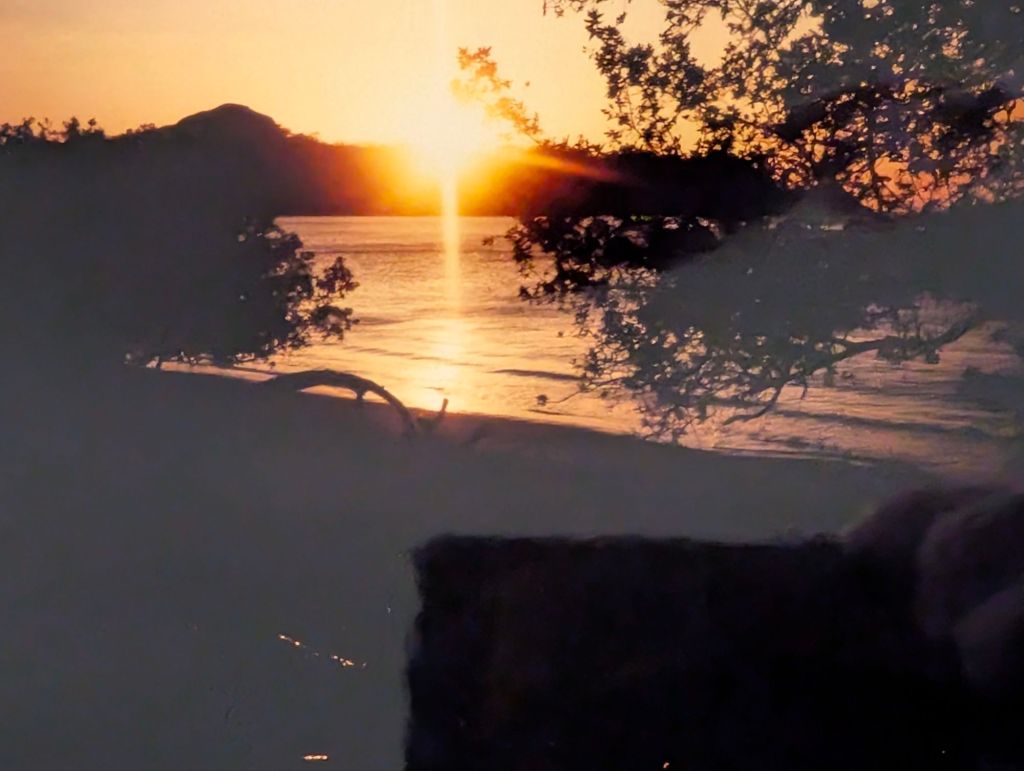
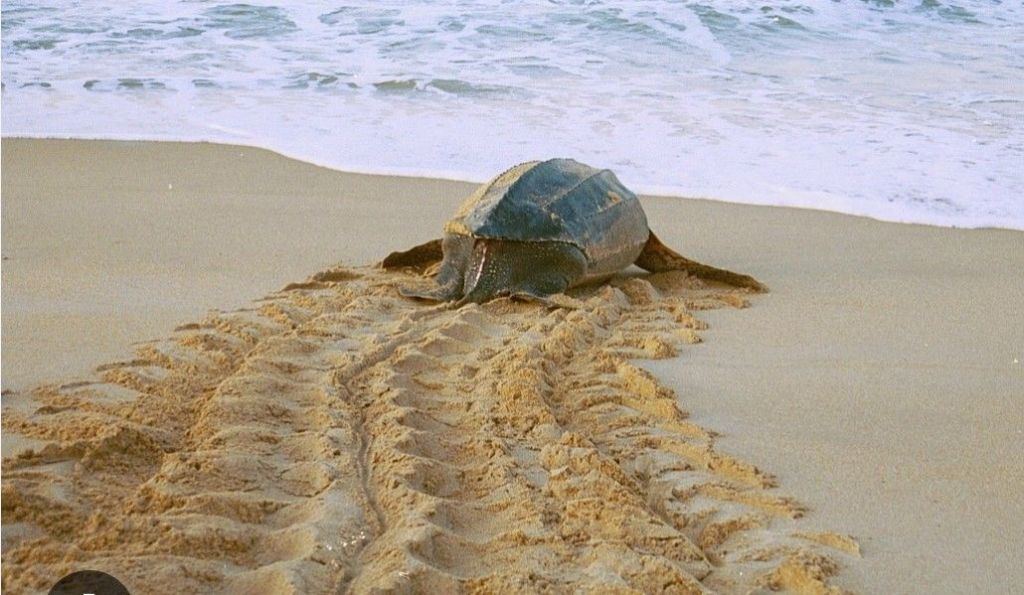
We set up our tent there and had the beach to ourselves. At some point, a local came down from somewhere and explained that turtles were coming to shore at night. He invited us to go with him to eat the eggs, which he said were delicious with salsa and beer. We declined, but did see the massive nests dug by the turtles for laying eggs.
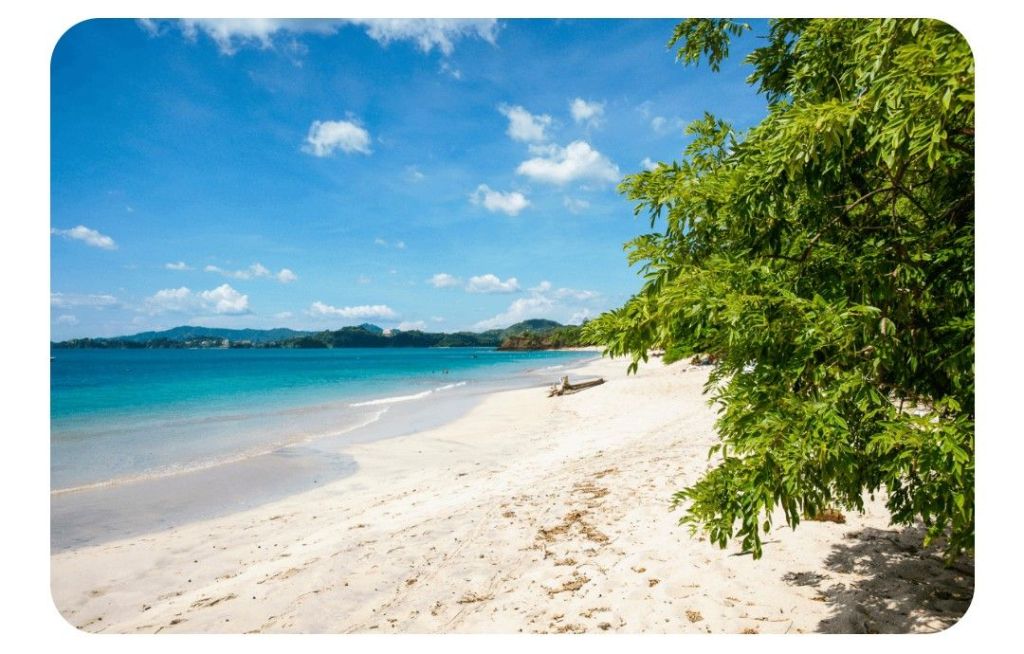
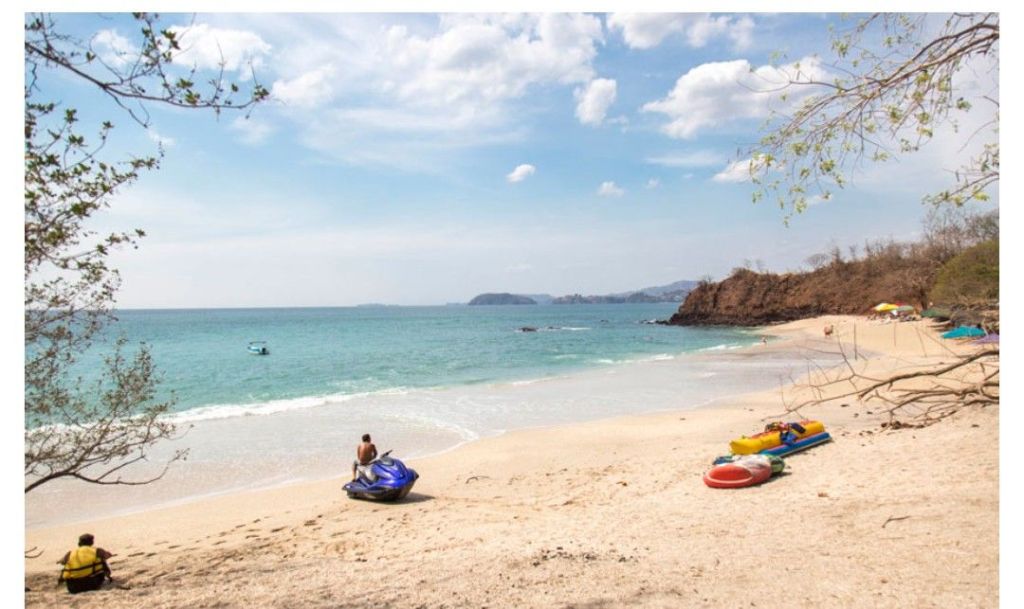
As I write, I am asking myself if I have had other equivalent, beyond spectacular moments. Some of my hiking in Norway, skiing in the Sierra Nevada, working on the Pacific Crest Trail, snorkeling in the Maldives perhaps, the Seychelles maybe….that feeling of being alone in an unimaginable place in nature is tough to beat.
Unfortunately, there is no true paradise. We did have a wonderful 24 hours at Conchal and slept peacefully. We were a little unnerved by what felt like something crawling under our tent. We checked our clothes and shoes carefully for snakes and insects.
The next day, we walked into town to inquire about bus schedules for elsewhere. I decided to carry valuables, but left some things in the tent and we locked the zipper. We do decided to wait for the next day to take a bus. However, upon return to our tent we were horrified to see that our tent had been slashed, I assume with a machete. We could only determine that a few minor items were stolen, but we no longer had a functional tent.
I have never packed so fast. We ran back to town and fortunately got out of there in the last bus. Phew!
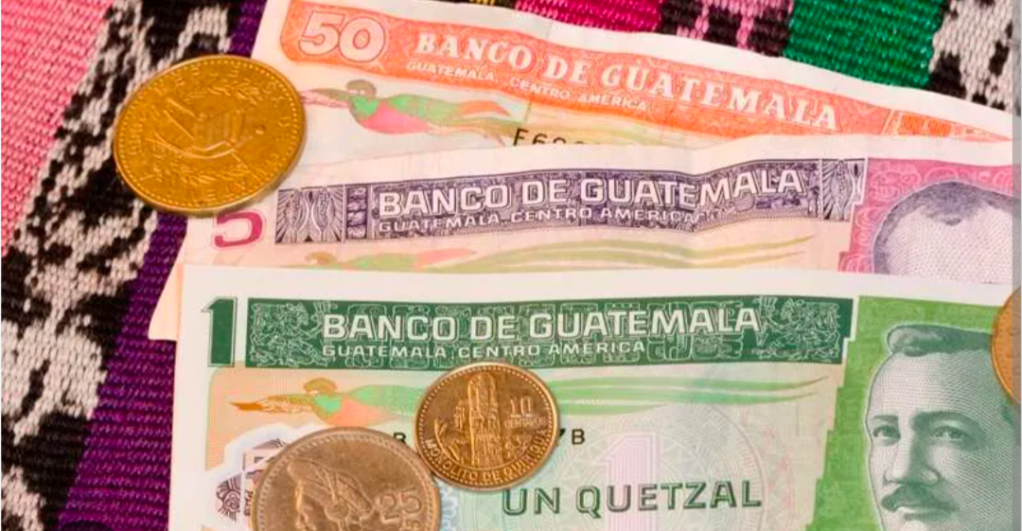
We did visit Nicoya, but then set our sights on Monteverde and the cloud forest that was said to be teeming with biodiversity and had the mystical Quetzal bird. In fact, I believe there currency was called, “quetzales.” I will check that!
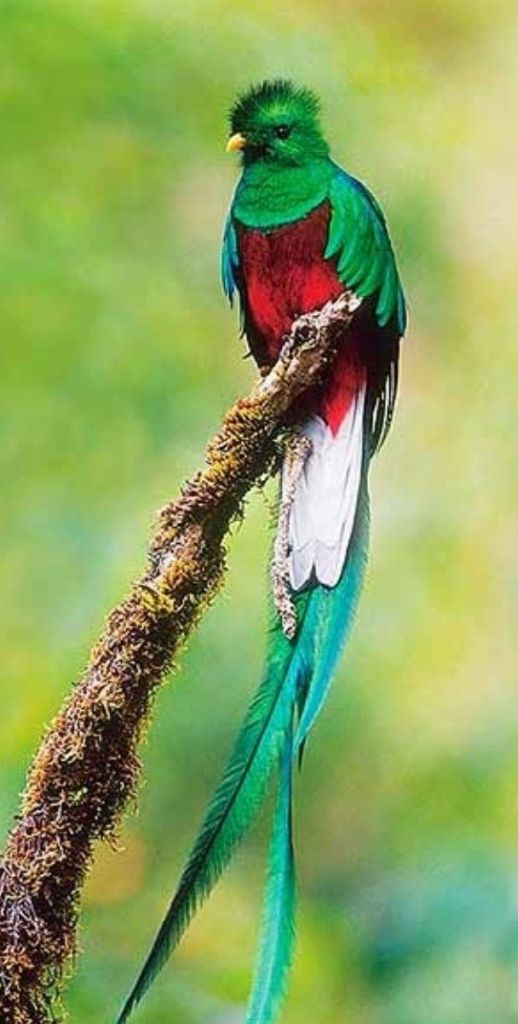
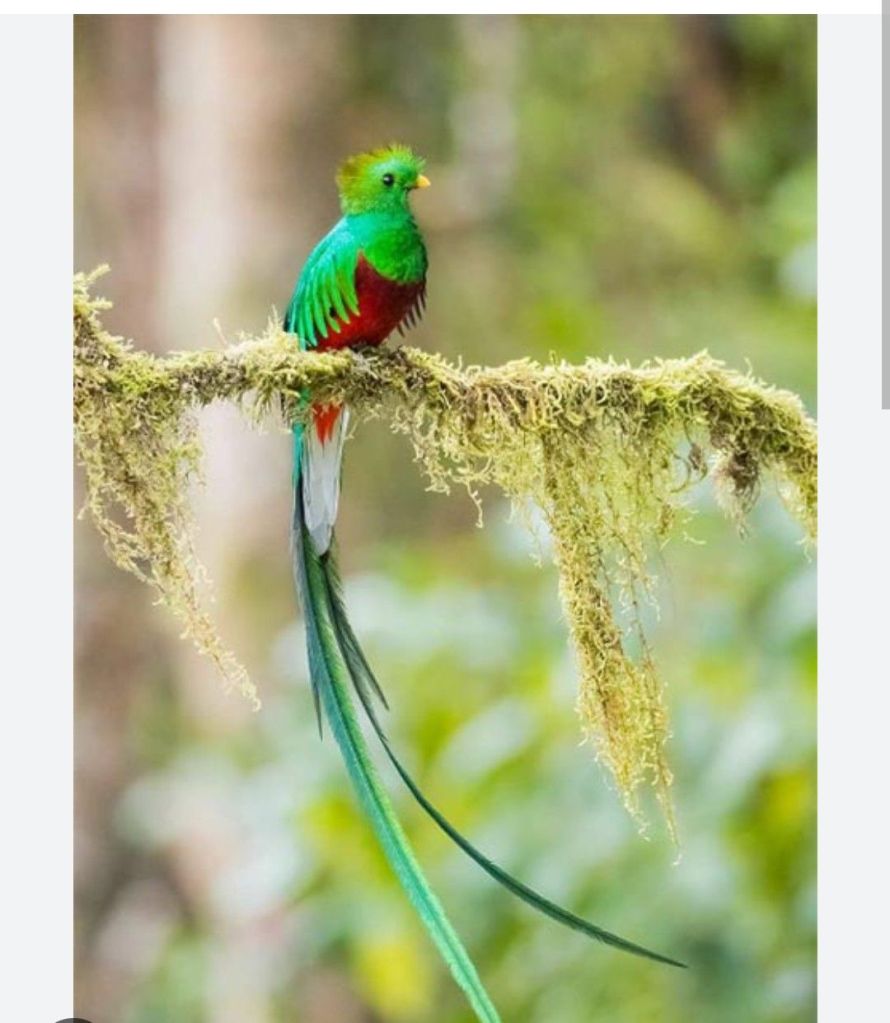
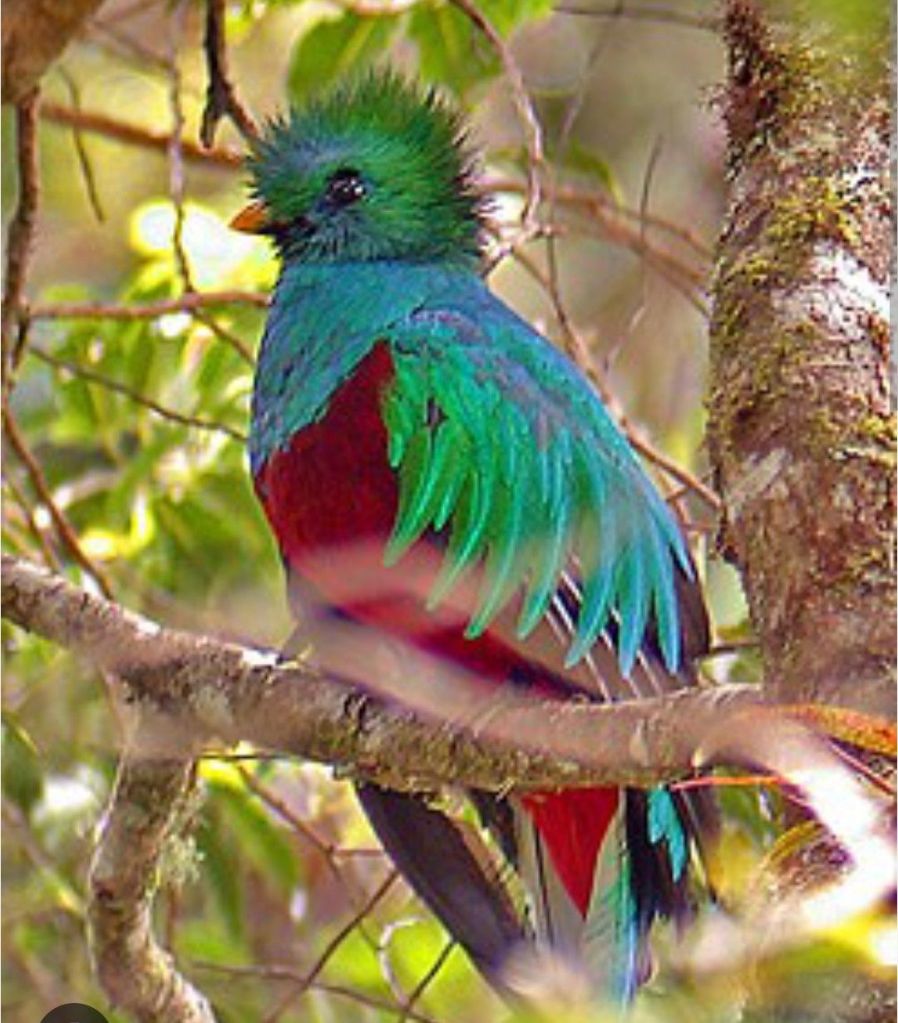
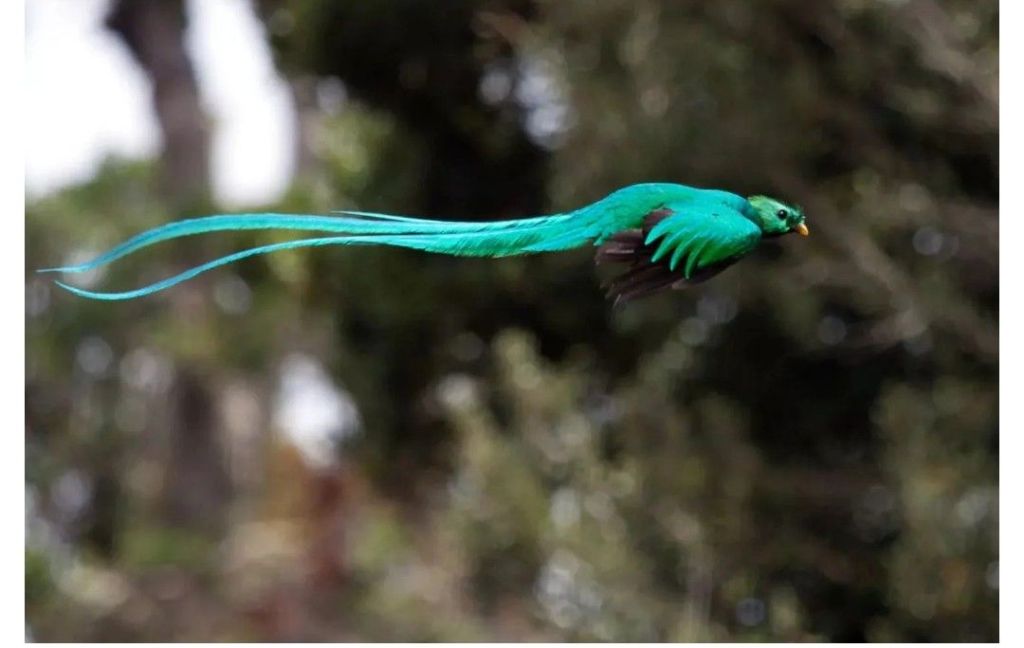
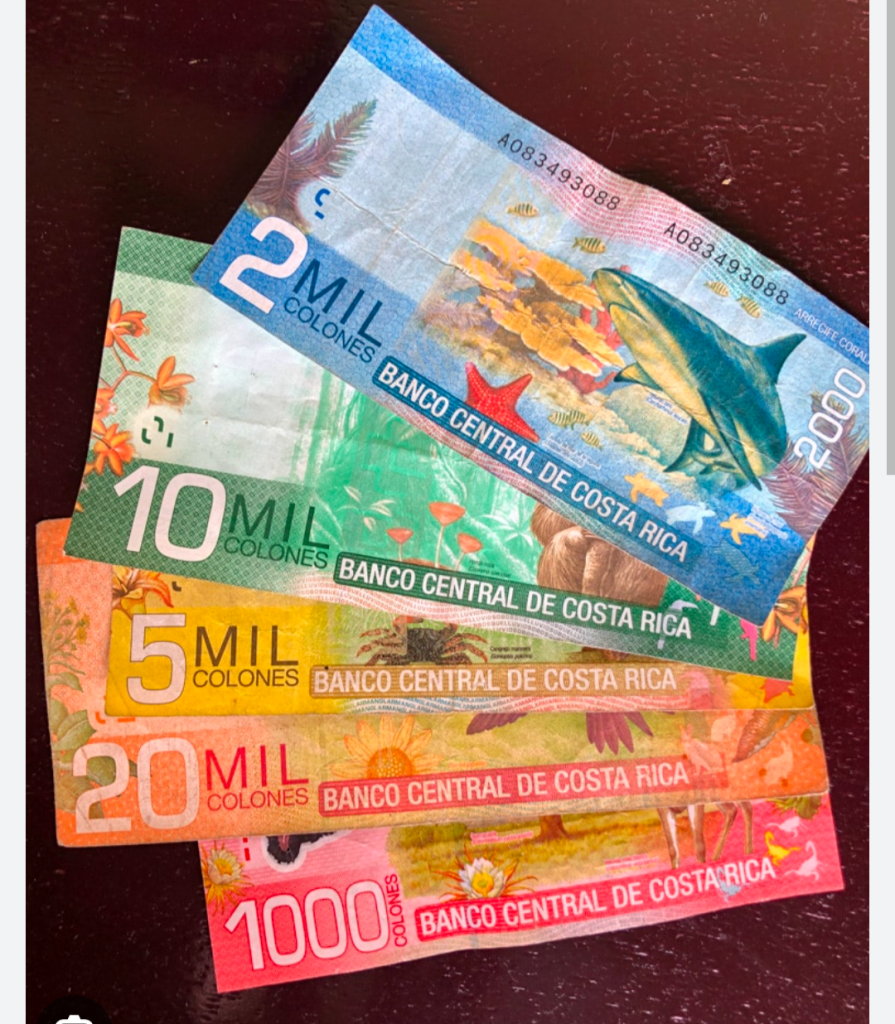
I stand corrected. The Quetzal is the currency of Guatemala and the Colon is the currency of Costa Rica. I was close!
Monteverde is one of those travel stories. It is a magical cloud forest that has very unique biodiversity. Sometimes the difficulty of journeys is what makes travel memorable.
We got on an open air bus to go up the windy, dusty, 90 minute, climbing road. We had no idea what we were in for. Others were prepared. Before long we were suffocating from the dust and of course perspiring. By the time we arrived in Santa Elena, we were covered with brown dirt. It was wild.
We were told of a place to stay near the park entrance, which seemed ideal. We got into the back of a pick up for another highly uncomfortable ride of 20-30 minutes. We were miserable, but anything to see dramatic wildlife, right?
Upon arrival, they had changed the terms of our deal, or at least my partner thought so. It was not a big thing to me, but my partner refused to pay and insisted we go back down the hill to Santa Elena. Would love to go back in time and see what that was all about!
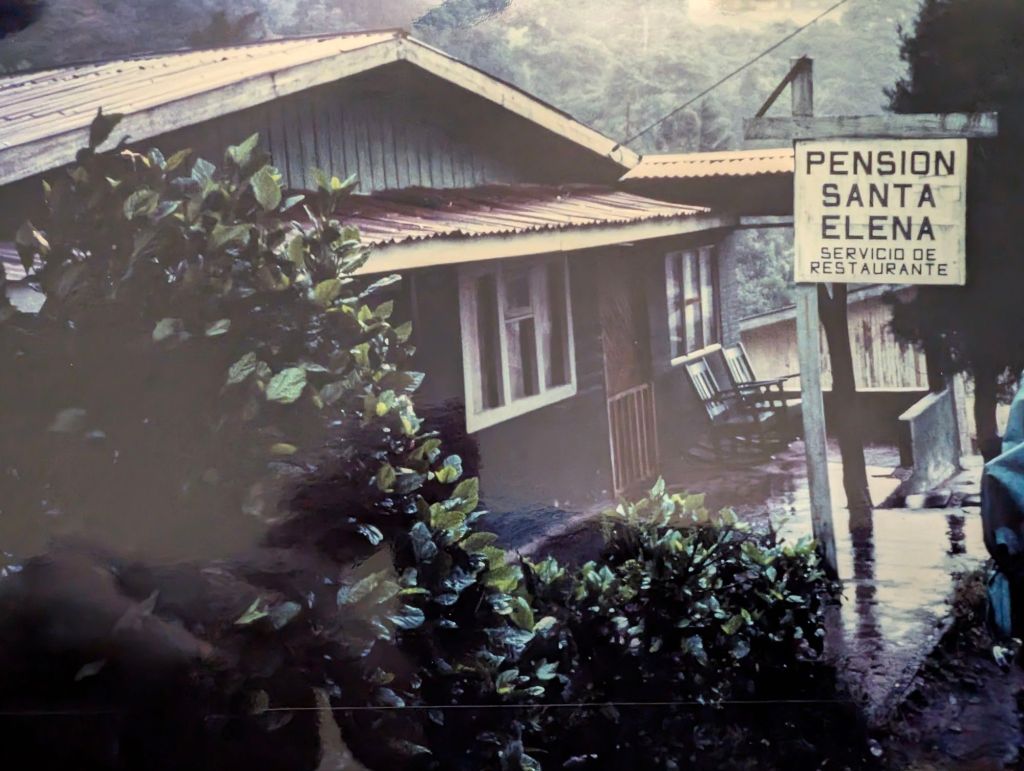
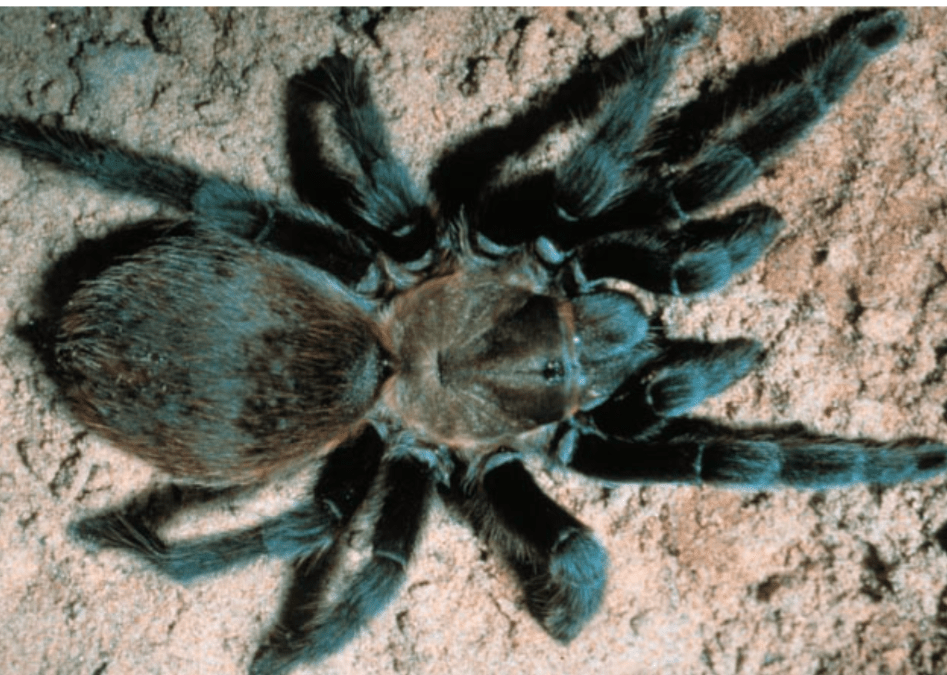
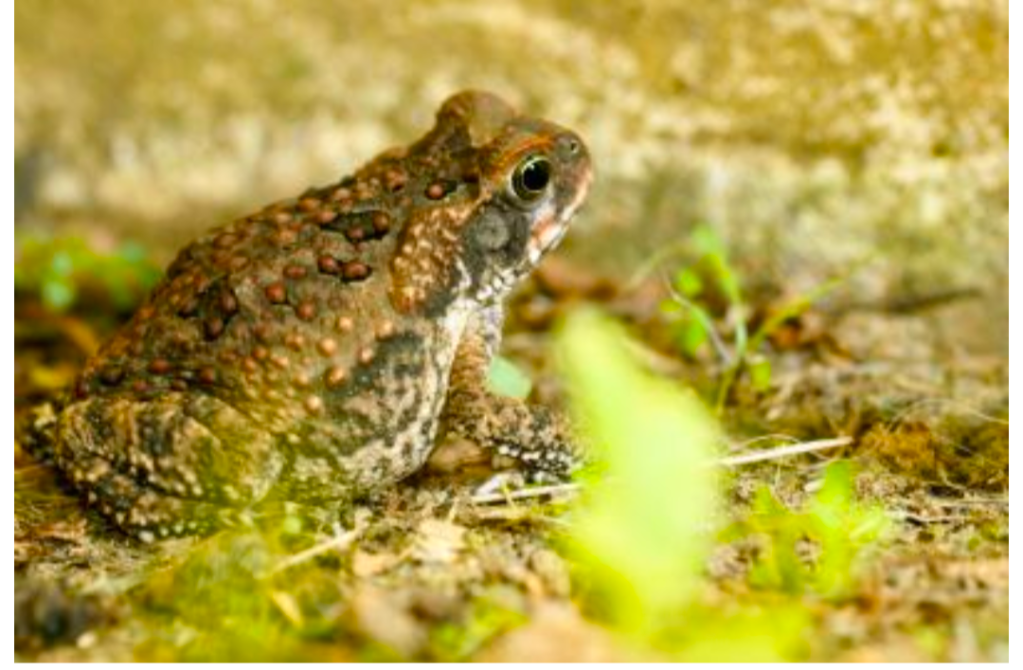
We found a very inexpensive place in Santa Elena and got soaked by rain on the trip there. It was a room without a locking door and possibly the smallest room I’ve ever stayed in. The bed was less than a single bed. The highlights of the stay were the biggest toads I have ever seen and a massive tarantula crawling out of the shower drain.
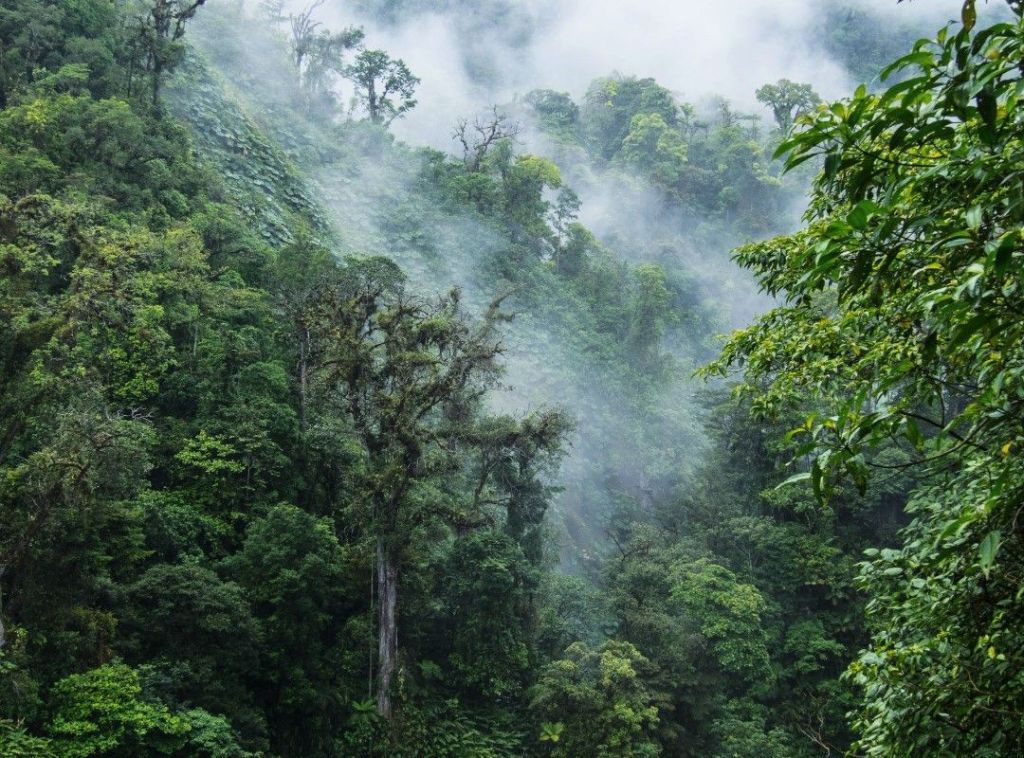
The next day, we made our way to the cloud forest. It lived up to its reputation. It was a cloudy, wet day. Every time you passed a plant on the trail it brushed against your clothing and you got wet. No Quetzal birds. No animals. Some spectacular insects. A bit of a letdown. Nature doesn’t always perform for you.
It was time to head to Santa Rosa Park. We had heard so much about it. A dry area. Unique place. We stayed in Liberia. Our goal was to reach a distant beach, Playa Naranjo,where turtles came ashore. To get there, we would need to walk seven to eight miles in blistering heat and carry our own water. I tied over three gallons to my backpack. We both had full backpacks.
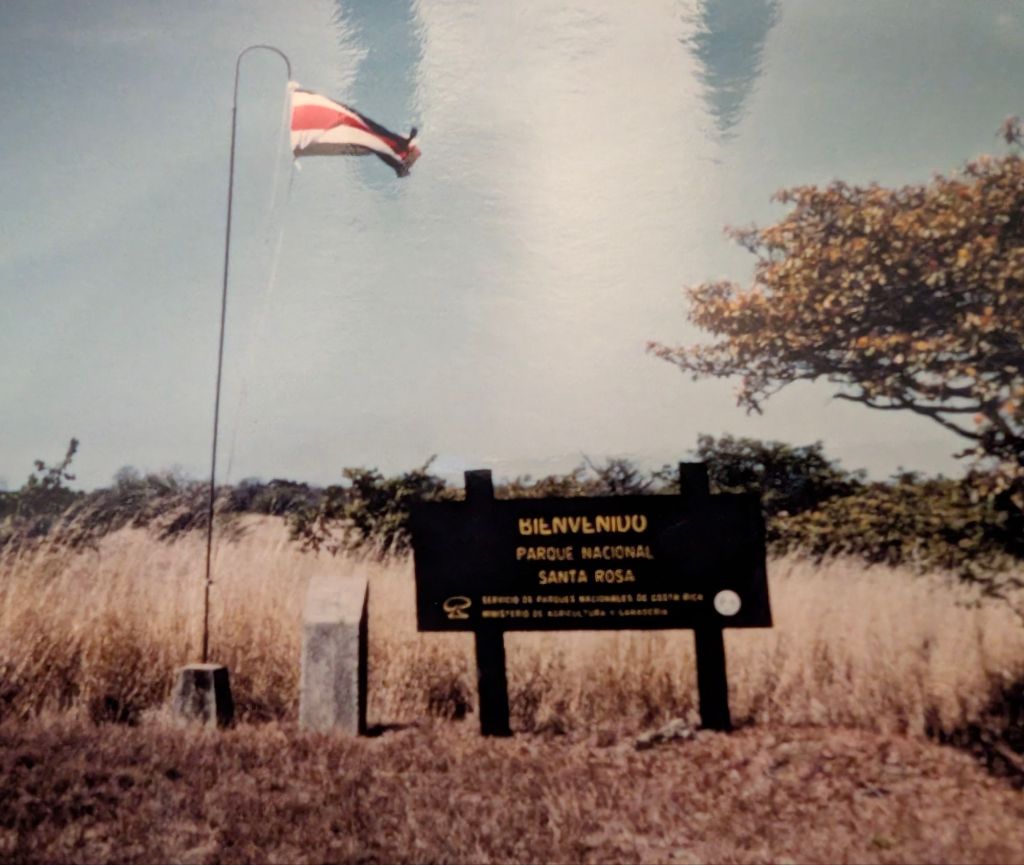
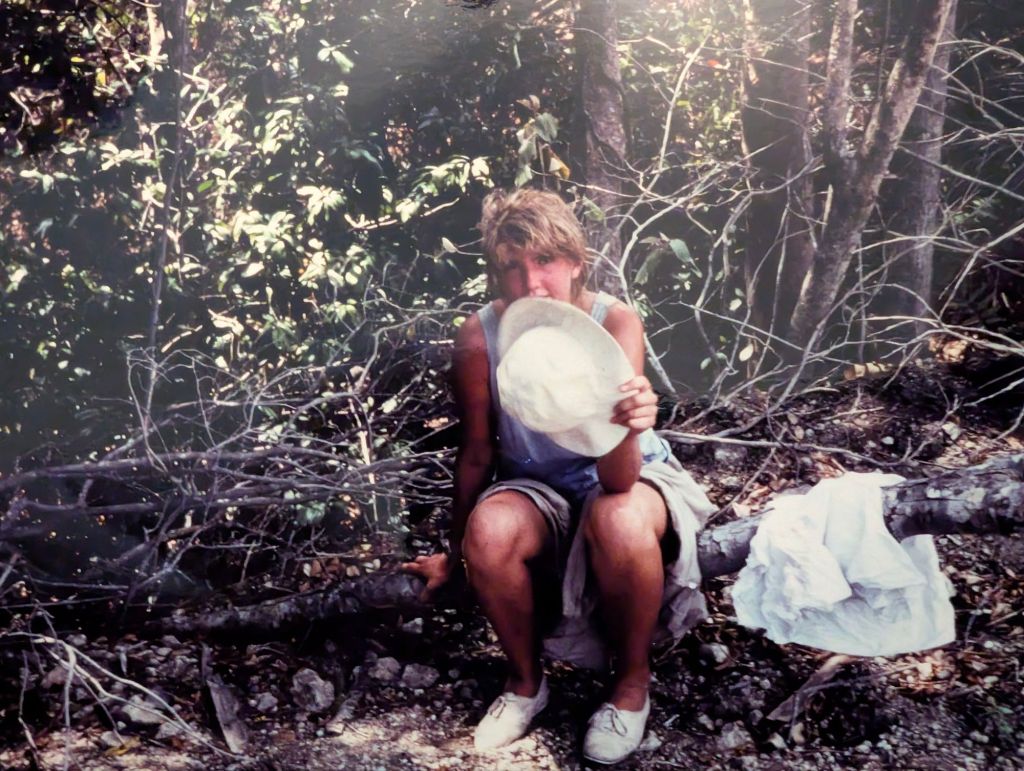
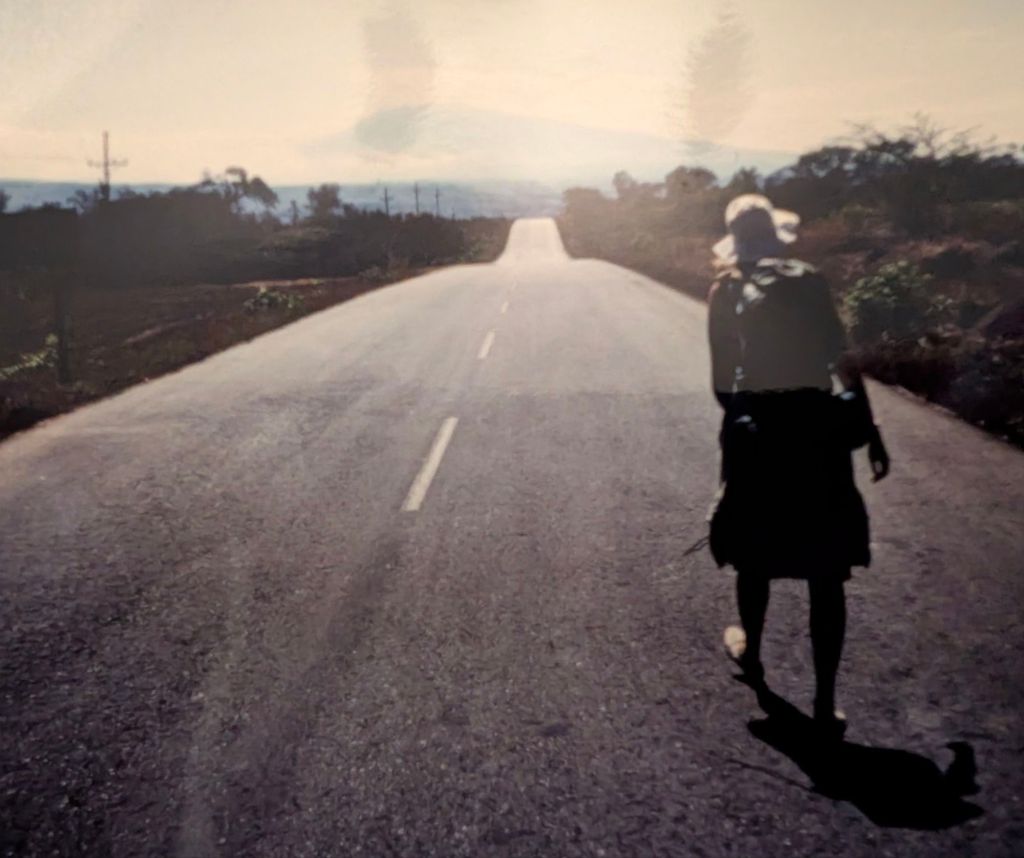
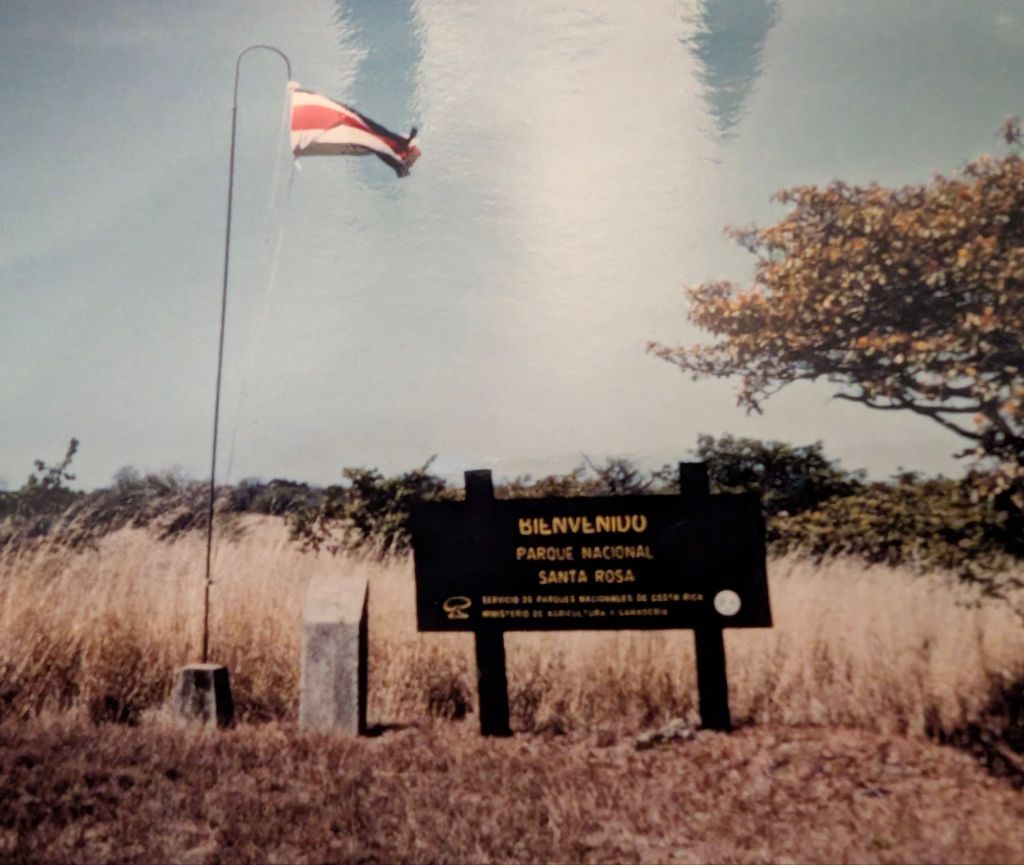
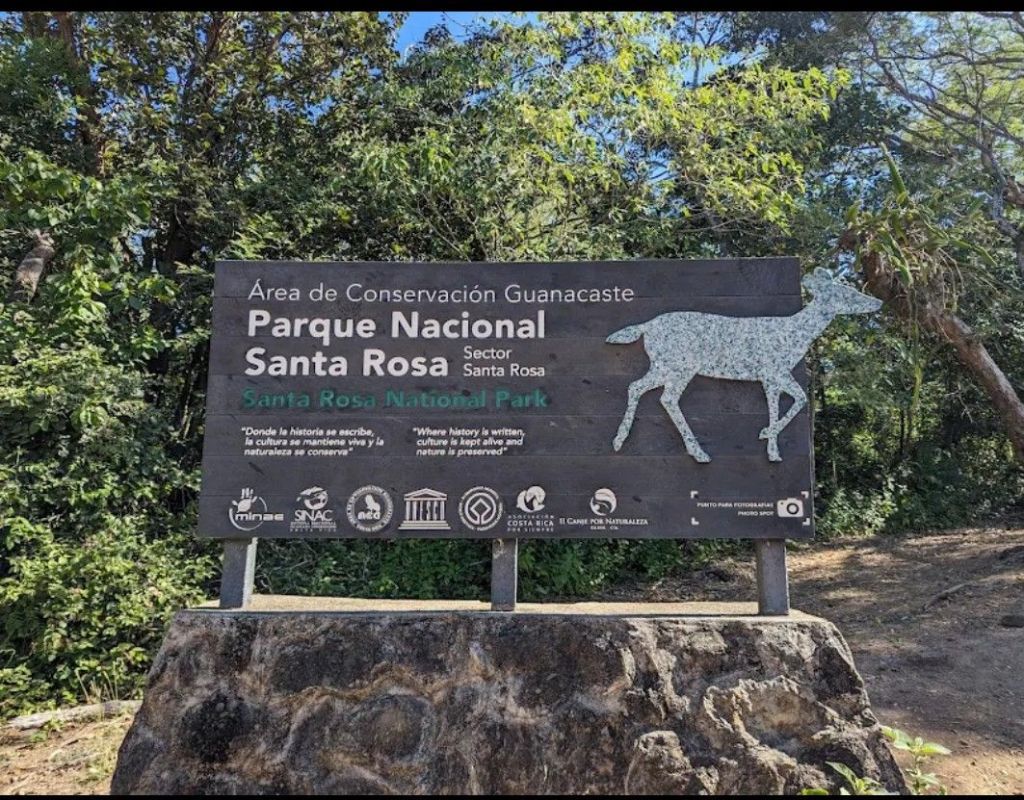
It was hot. Very hot. We were dropped off on the highway and had to walk into the park. I would estimate my pack weighed 60 pounds and my partner’s close to 40. The “roads” leading towards the beach were the most washed out roads I had ever seen. Extremely deep ruts. No way could a car travel down it.
We started walking down the road. My partner wasn’t feeling well, but downplayed it. I took her pack in addition to mine, so I was probably carrying 100 pounds. I always liked such physical challenges.
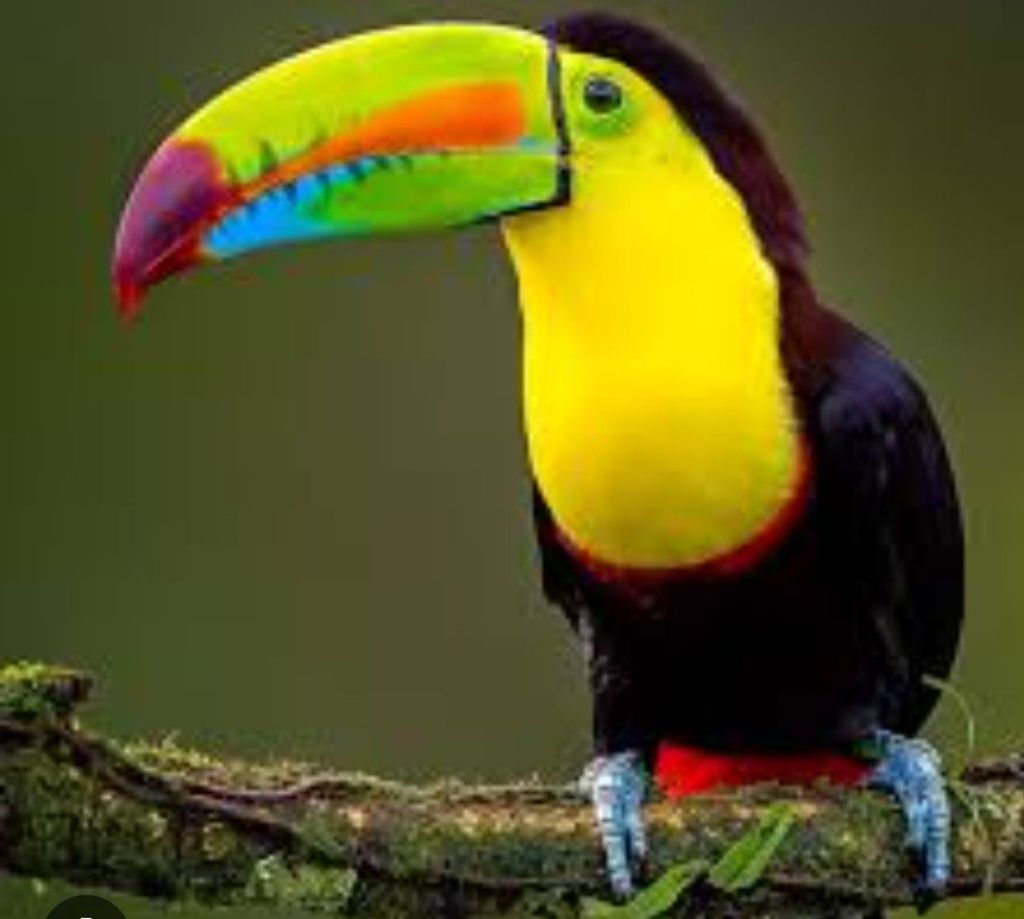
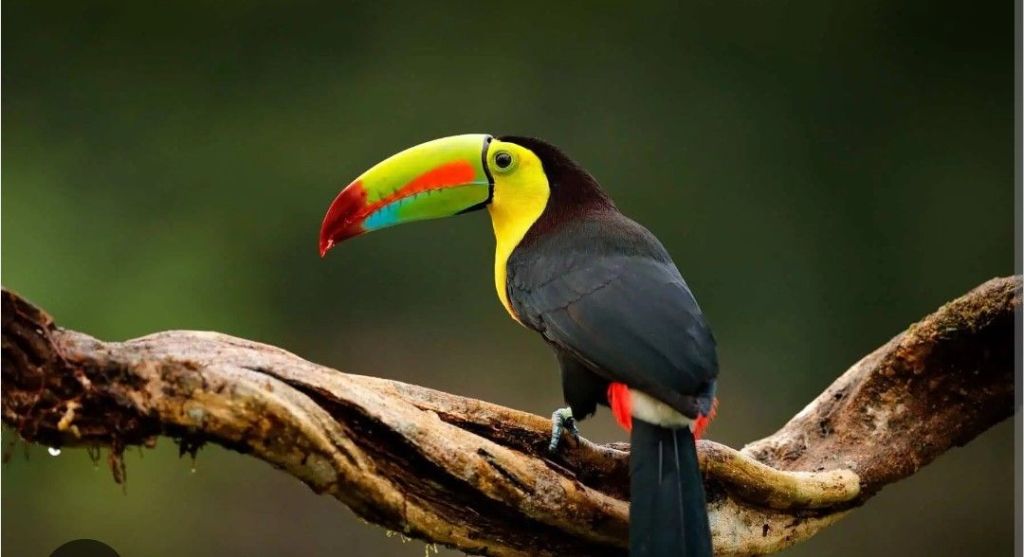
All of a sudden, she dropped in the trail and became incoherent. I knew quickly we were in trouble. There was nobody in the trail and we were miles from the highway by this time. Oddly, a glorious toucan showed up across the trail.
I drafted a note and pinned it to my semi-conscious partner. I left my things and started running. I was a runner, but the heat was oppressive. I was gasping for air and thought my partner might die. I made it back to some park buildings near the highway. Eventually a slow moving tractor came with me to locate my partner. They crafted a carrying bed out of tree branches and we began the journey back. It was brutal and bumpy.
Somehow we made it back to Liberia and a hospital, where she was hooked up overnight to IV fluids. Crazy to think about now. I found a hotel and set up camp to nurse her back to health.
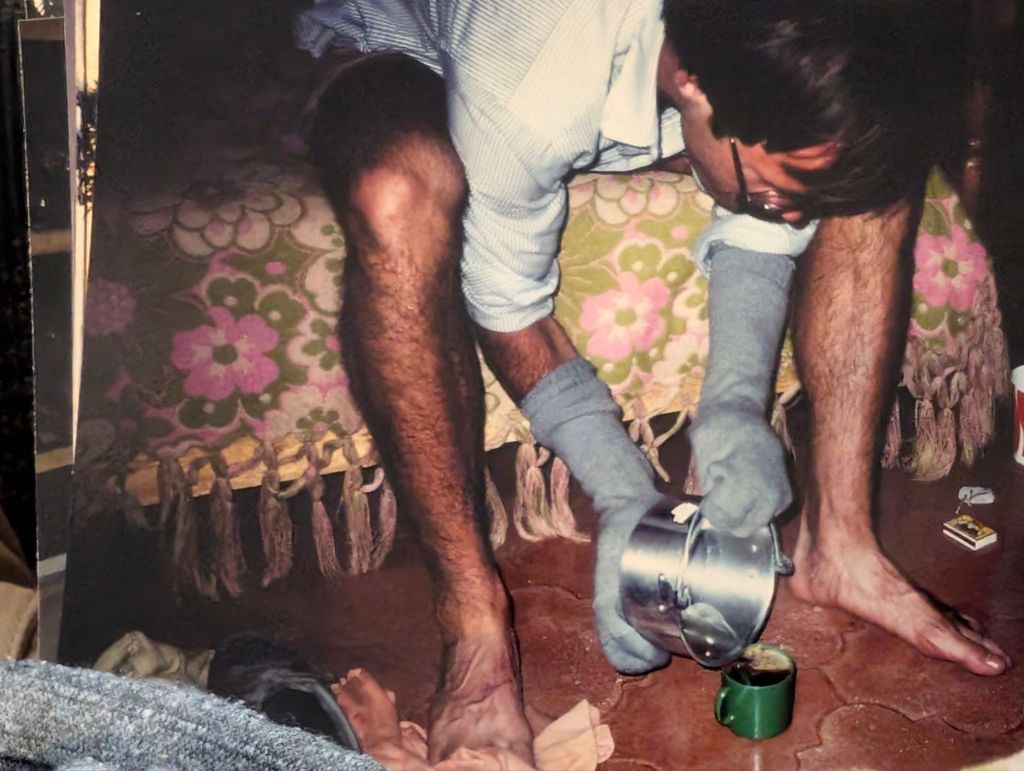
I remember cooking soups on our camping stove on the hotel floor. I also remember getting sunburnt in the equatorial sun in about 29 minutes by the pool. Lesson learned.
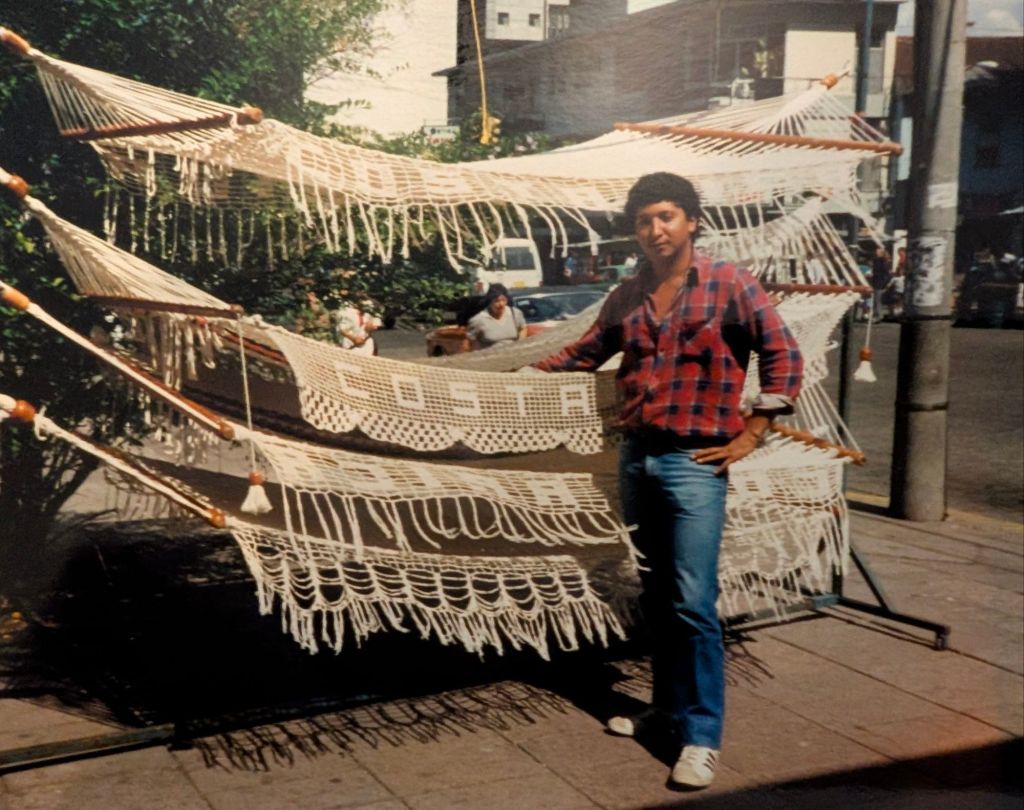
Overall it was a great trip. We purchased a hammock, which of course one rarely has the opportunity to use in the Pacific Northwest.
Our next trip would be to Ecuador
 Jim's Travel Culture and History Blog