
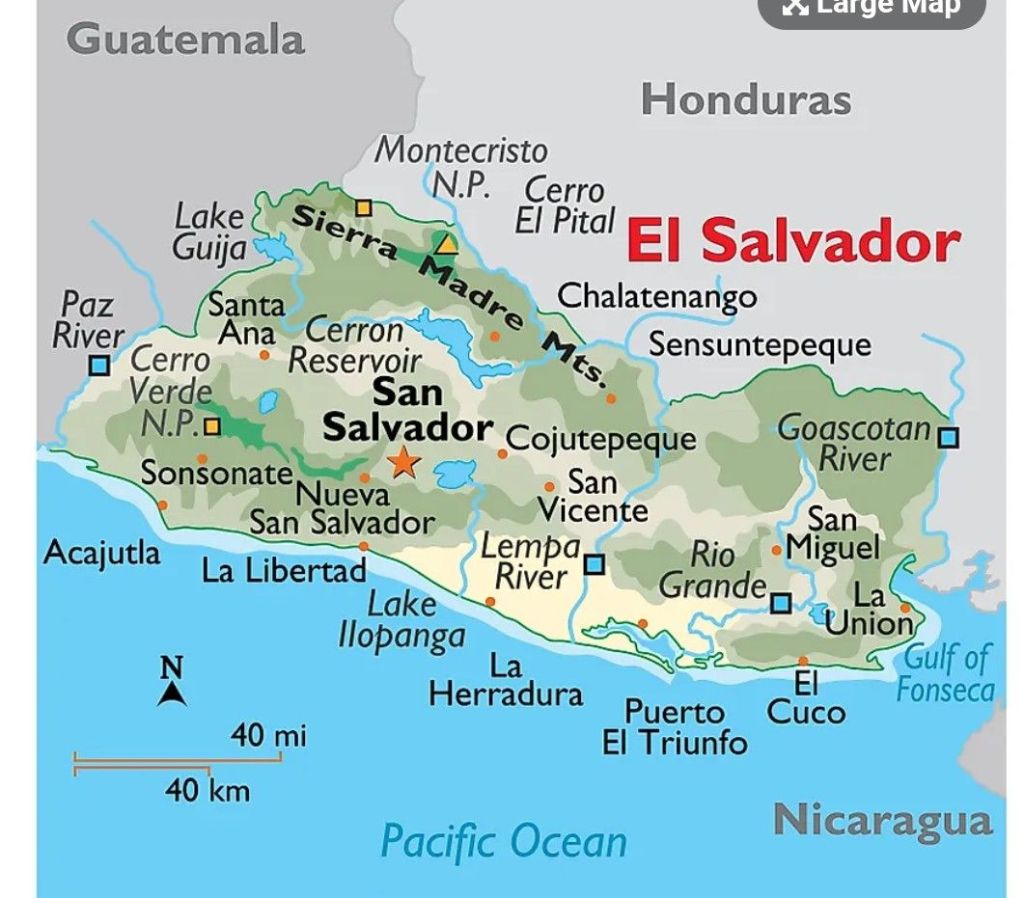
The Flight
The flight is from Seattle to San Salvador with United Airlines, leaving at 5:40 PM from Seattle, stopping for almost three hours in Los Angeles, and landing in San Salvador about 5:30 AM. An overnight flight.
I most likely will take a taxi to my hotel in Santa Ana. They have indicated my room might be ready or at least I can store things while waiting for the room to be available.
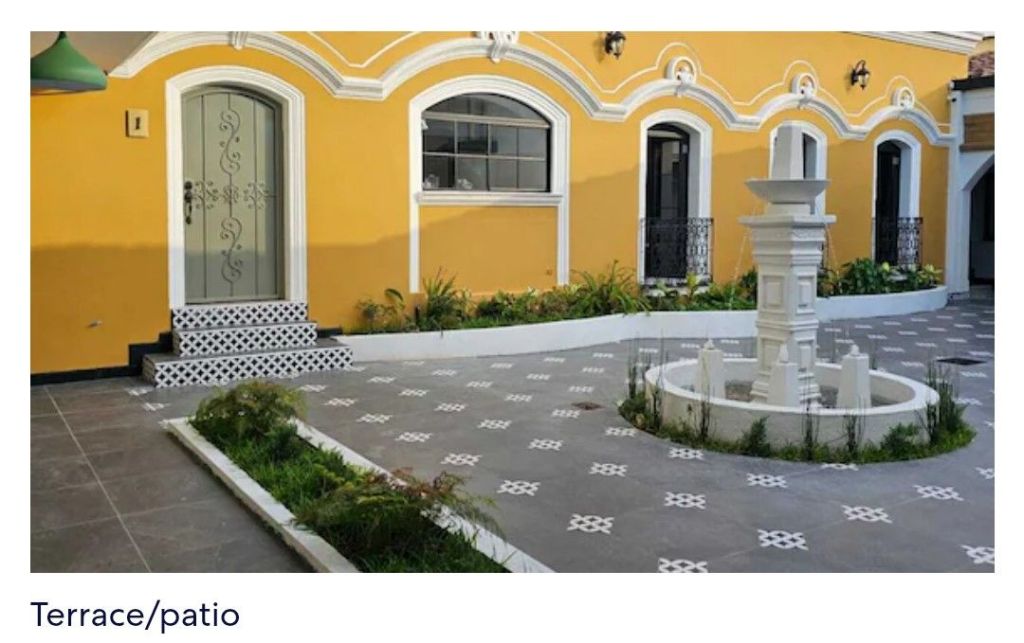
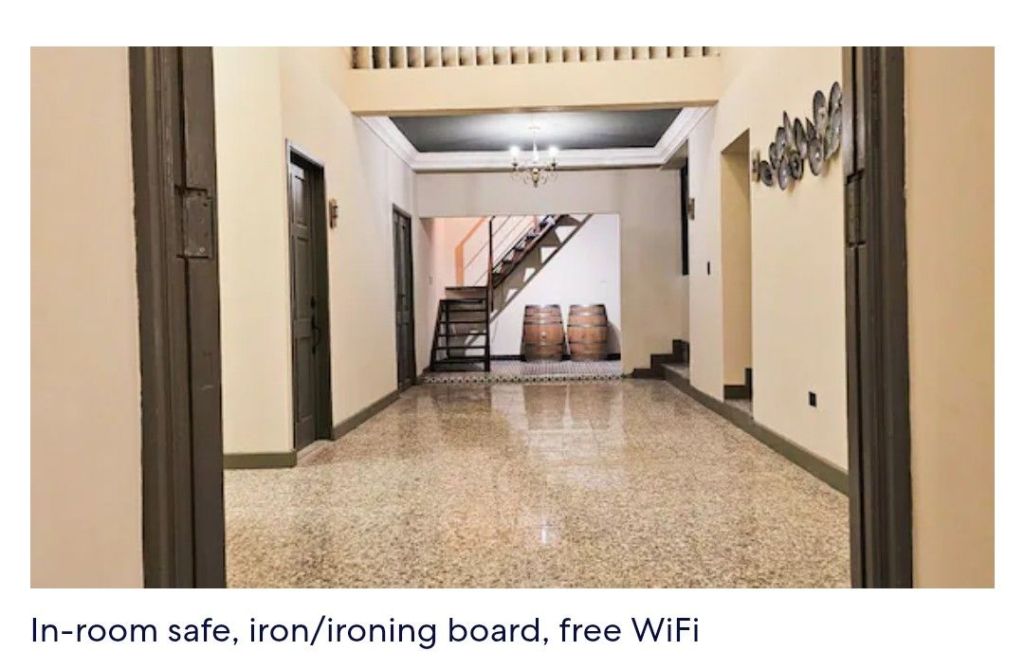
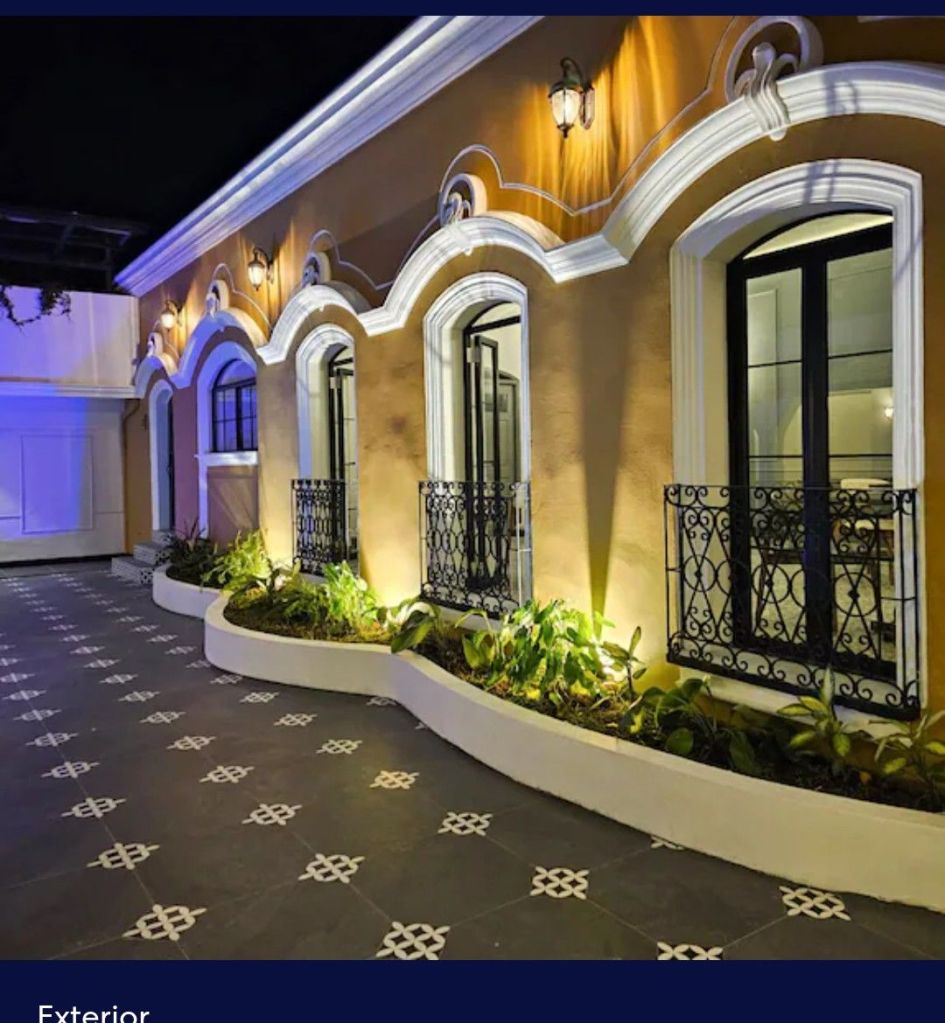
Hotel Remfort Antigua
From the Overseas Opportunity Letter
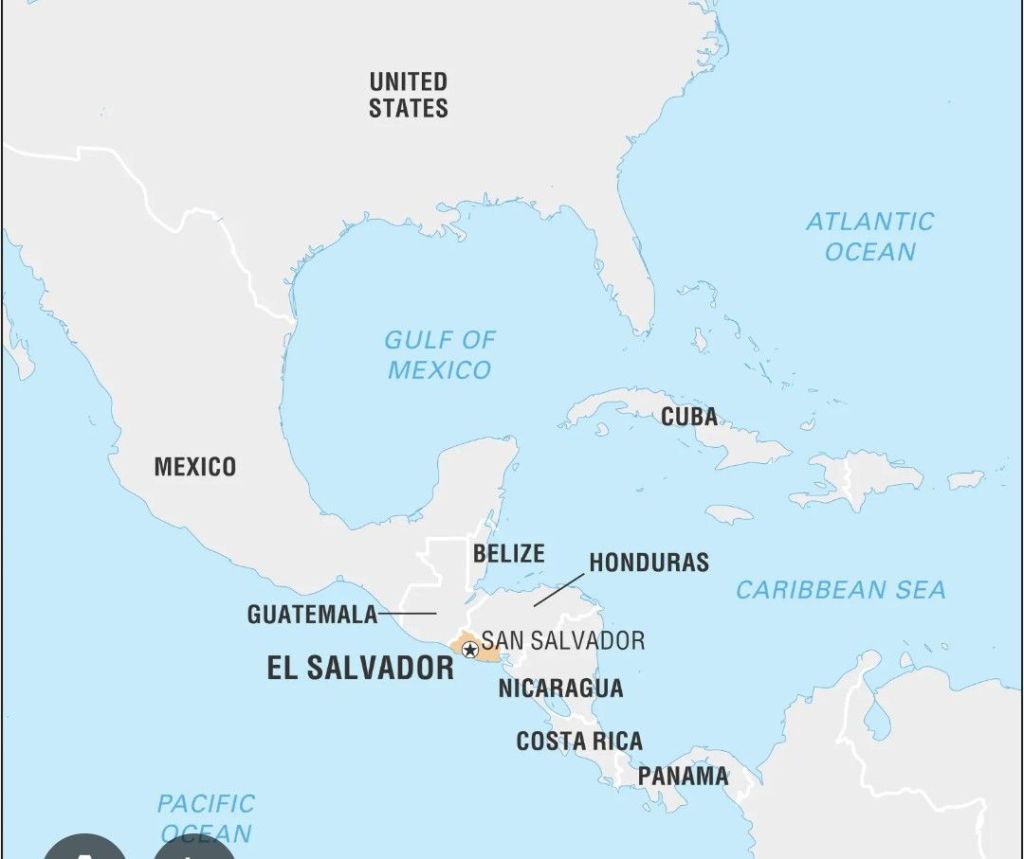
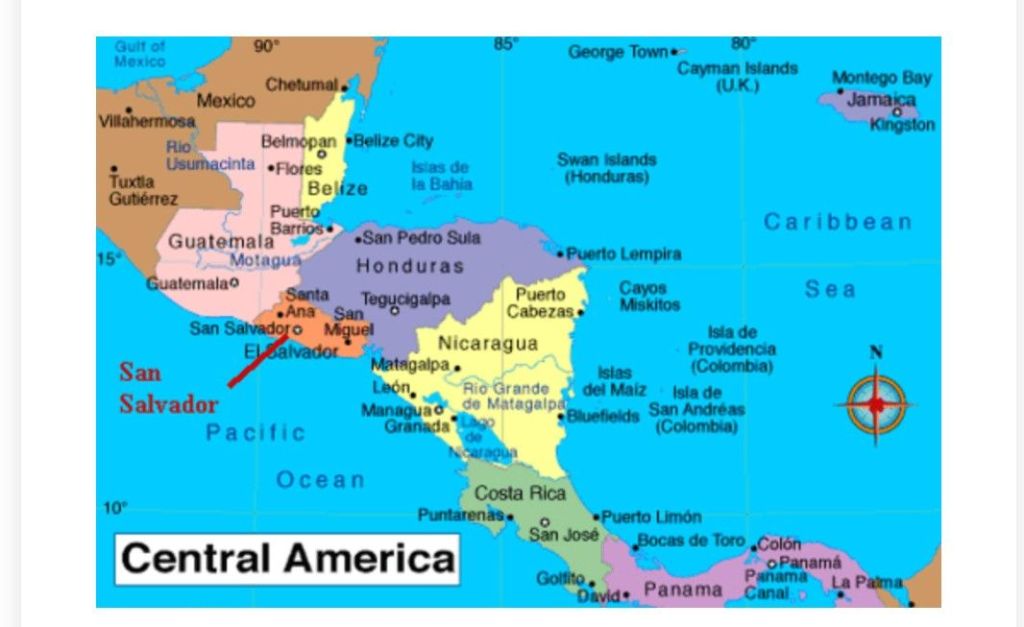
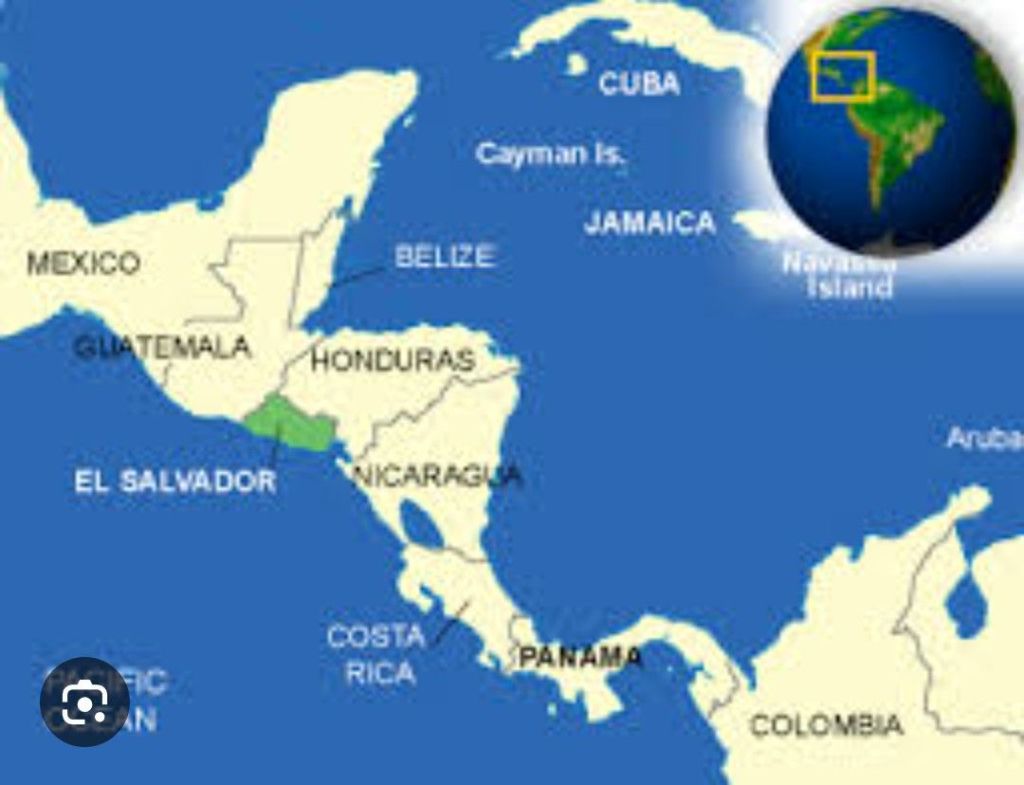
“About the same size as New Jersey and wedged between Guatemala and Honduras, lies the smallest country in Central America: El Salvador.
Once famed for civil war, gang violence, and being the murder capital of the world, this little country’s fortunes have changed dramatically in recent years most notably since 2019 when businessman and one-time mayor of the country’s capital, San Salvador, Nayib Bukele, swept to power as president with 53% of the vote.
Bukele’s policy of mano dura—iron fist—drove an aggressive zero-tolerance policy on gang activity. Tens of thousands were jailed and today El Salvador is one of the safest countries in Latin America. The country’s homicide rate is 1.9 homicides per 100,000 people which is about on par with Canada. For the U.S., it’s 4.7 homicides per 100,000 people.
While his regime hasn’t been without controversy—something Bukele embraces, calling himself “the world’s coolest dictator”—he’s not going anywhere anytime soon. Still in his early 40s, he was re-elected in 2024 with more than 84% of the vote.
El Salvador offers lush landscapes, colonial charm, and modern cities. The climate is tropical, with warm temperatures year-round. English is widely spoken in business circles and expat neighborhoods. The cost of living is lower than in most of North America, and health care is accessible and improving—the $61.2 million state-of-the-art Hospital Nacional Rosales in the capital, San Salvador, was recently inaugurated.
El Salvador offers a number of residency options including a retirement visa, an independent means visa, a digital nomad visa, and a citizenship by investment program.
For retirees, the Pensionado Visa is the obvious choice. To qualify, applicants need to show a monthly pension of at least $1,100, though higher incomes are generally preferred.
To maintain the visa, holders are generally expected to spend at least 90 days per year in El Salvador.
Applicants must also provide proof of health insurance valid in El Salvador, clean criminal records from both El Salvador and their home country, and a local address for registration purposes.
While the Pensionado Visa is intended for retirees, holders are legally allowed to work or start a business if they wish, although additional registration or licensing may be required depending on the type of work or business.
The Pensionado Visa is granted for one year initially and, on renewal, for two years providing your residency obligations are maintained.
For investors, retirees, and remote professionals looking for a bold, dynamic base in Central America, El Salvador is a compelling choice.”
Wikipedia Link
https://en.wikipedia.org/wiki/El_Salvador
I was looking all around the world for somewhere new to travel. I had never really considered El Salvador an option.
I was thinking of Hong Kong and Singapore, but it is the monsoon season. Hot, rainy and long, expensive flights. I only have a week, so I looked closer to home. I eliminated Europe because it is high tourist season.
I looked in the Caribbean region. Looked at Colombia, Peru, Bolivia, Uruguay and more. I thought about Costa Rica, but been there a few times. Nicaragua looked a bit sketchy. Somehow, I ran into lots of positive reviews about El Salvador.
Volcanoes, rivers, waterfalls, surf towns and a lot more. The flights fit my schedule although not inexpensive. Hotels seemed reasonably priced and safety concerns of the past are no longer such a big issue. I decided to go for it.
It’s nice that Spanish is the language spoken and the US dollar the currency. Both make it simple for me.
I fly out in 35 days.
Tentative itinerary
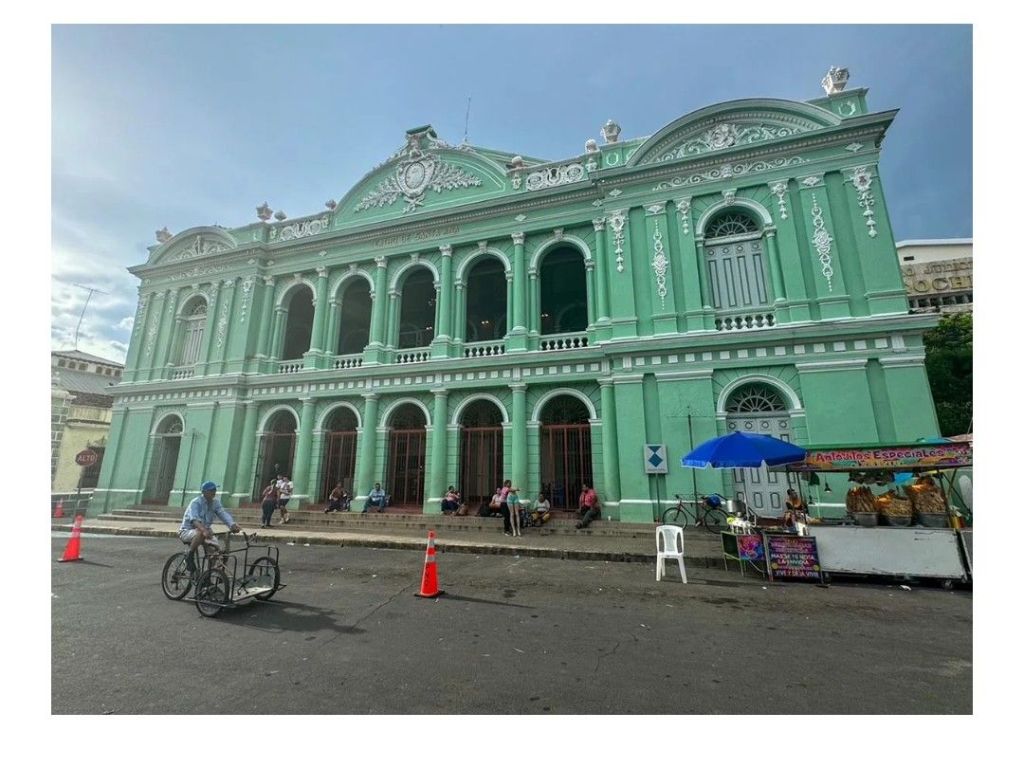
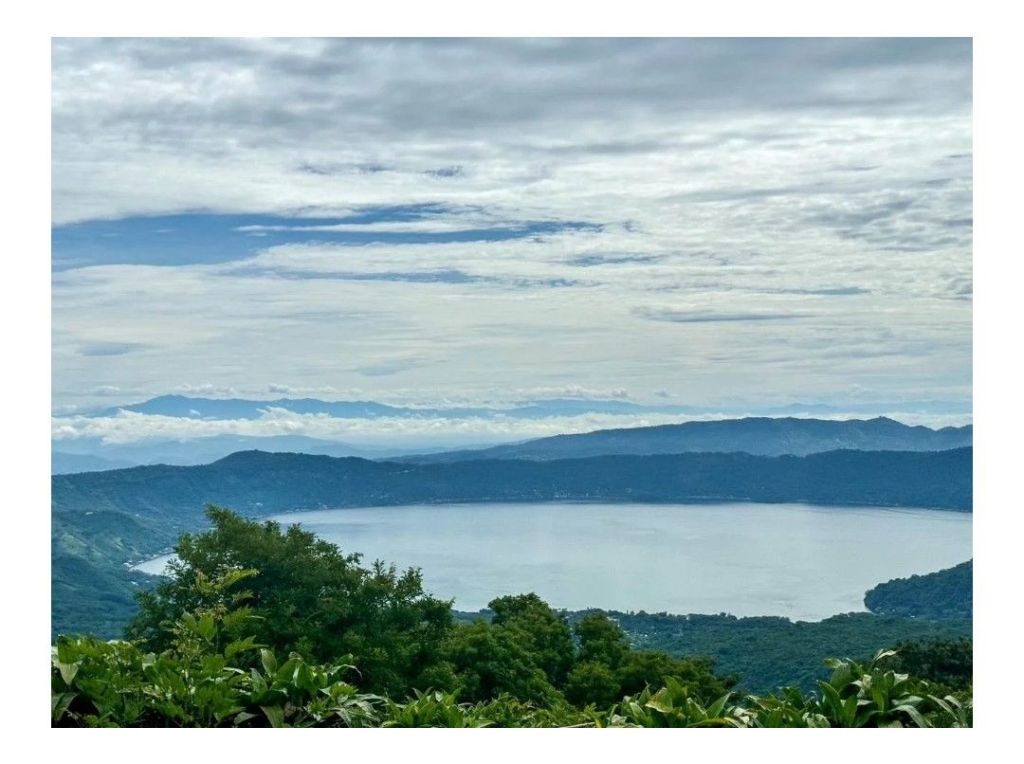
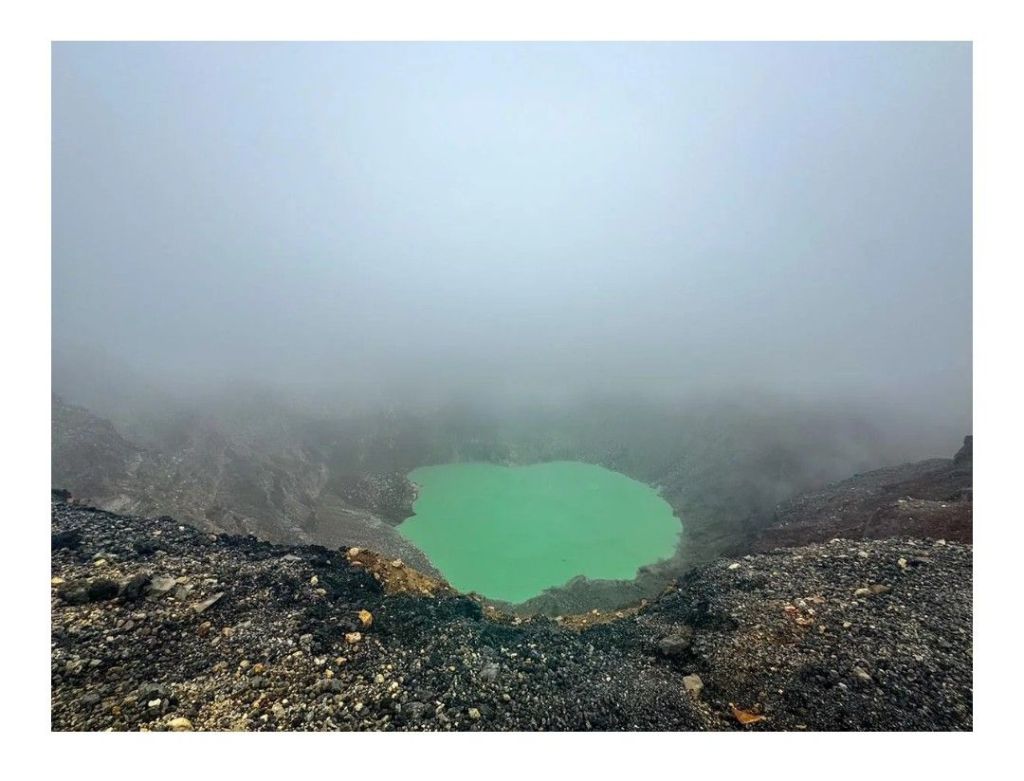
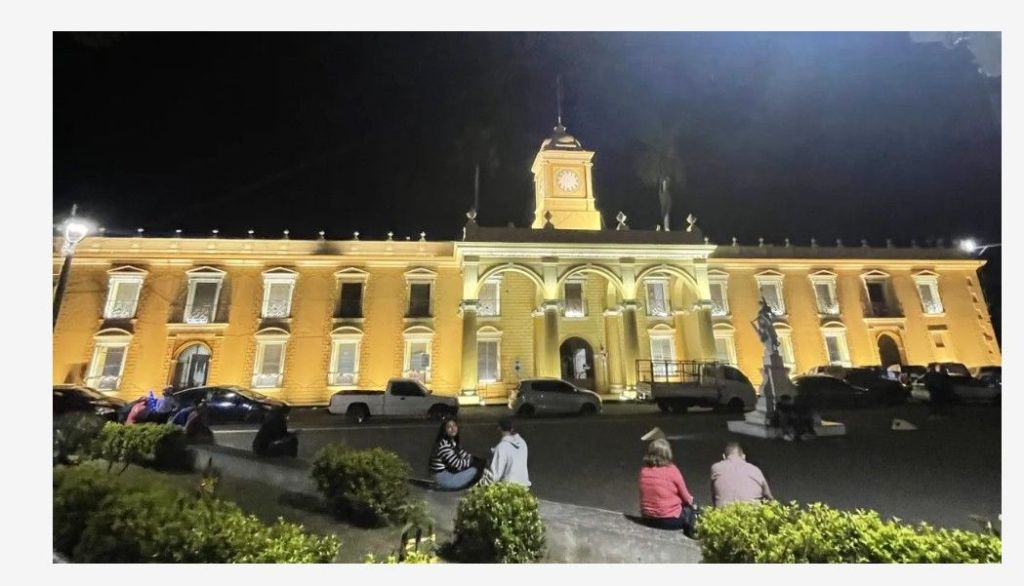
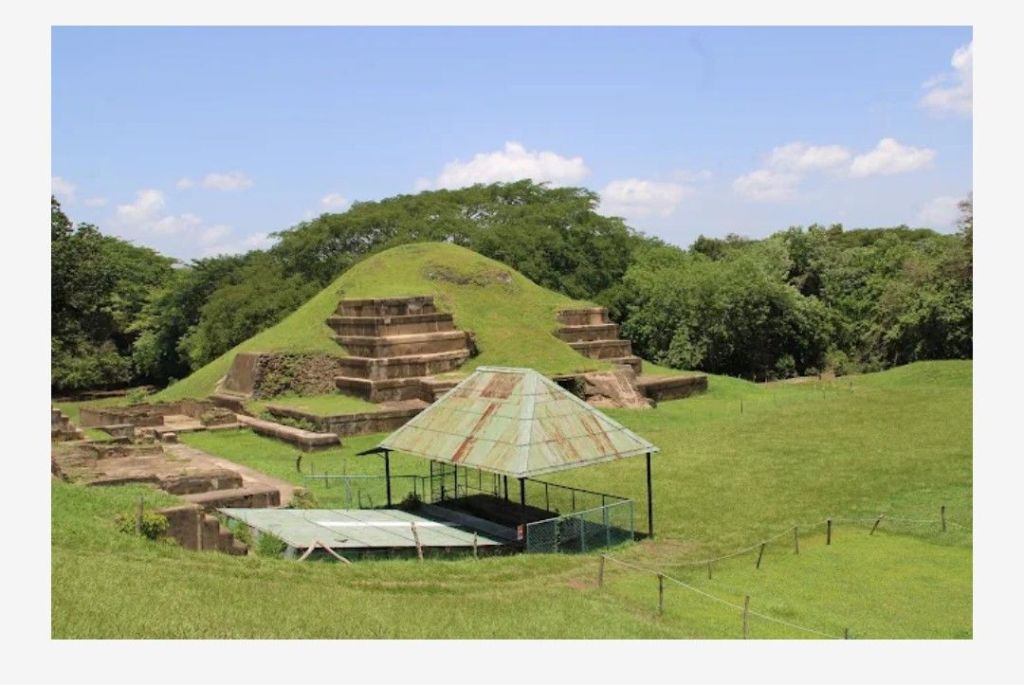
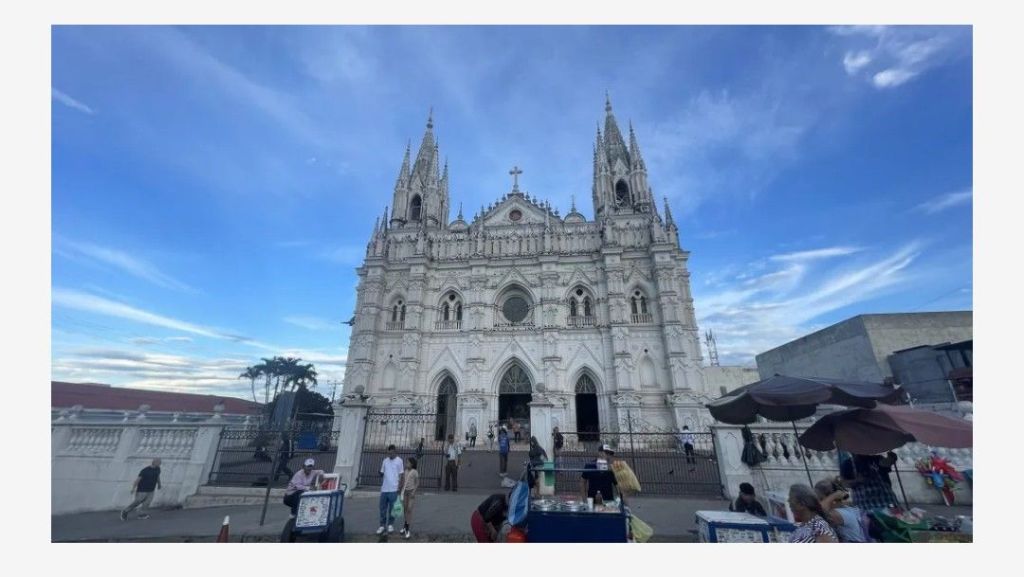
Santa Ana (3 days)…use as home base to visit Ruta de las Flores (small towns, coffee farms, etc..), volcanoes, maybe Lago de Coatepeque and Cerro Verde
El Zonte (on the beach near El Tunco) (3 days)
Last night right next to the airport
A link to tons of information about Santa Ana
What an AI prompt delivered:
La Ruta de las Flores = “The Route of Flowers” — El Salvador’s most famous mountain road trip.
It’s a 36km stretch of highway through the Apaneca-Ilamatepec mountain range, linking 6 colonial towns between Sonsonate and Ahuachapán. Named for the wildflowers that bloom on the hillsides Oct-Feb.
1. The 6 main towns: West to East
Town Vibe Known for Elevation
Nahuizalco Indigenous Nahuatl roots Night market, wicker/crafts, indigenous culture 540m
Salcoatitán Smallest, sleepy Art galleries, plaza church, quick stop 1,040m
Juayúa Foodie capital Weekend food festival, waterfalls, nightlife 1,060m
Apaneca Highest town Ziplines, ATV tours, coffee fincas, cool weather 1,470m
Concepción de Ataco Most colorful Murals everywhere, coffee shops, artisan stores 1,240m
Ahuachapán Biggest city Hot springs nearby, Parque La Concordia 800m
2. What to do there
Food:
- Juayúa Feria Gastronómica: Every weekend the whole town becomes a food festival. Grilled meats, pupusas, exotic stuff like rabbit. Saturday night + Sunday all day.
- Coffee: This is El Salvador’s best coffee region. Do a finca tour in Apaneca or Ataco. El Carmen, El Carmen Estate, or Cafe Albania are popular.
Nature:
- Los Chorros de la Calera, Juayúa: 7 waterfalls, 30min hike down. $2 entrance + guide.
- Laguna Verde, Apaneca: Crater lake, short walk. Often foggy = moody.
- Café Albania, Apaneca: Zipline + bike zipline + rainbow slide + maze. Instagram spot. ∼$20 for activities.
- Hot springs: Termales de Santa Teresa or Alicante near Ahuachapán. ∼$8 entrance.
Culture:
- Ataco murals: Entire town is painted. Best for photos + coffee hopping.
- Nahuizalco night market: Thurs-Sun after dark. Indigenous crafts, candles, by lantern light.
- Churches: Every town has a colonial church on the plaza. Juayúa + Ataco are prettiest.
3. Logistics from El Zonte
Distance: El Zonte → Juayúa is ∼2hr 15min by car.
Bus route:
- El Zonte → La Libertad on bus #80, 30min
- La Libertad → Sonsonate on bus #287, 1.5hr
- Sonsonate → Juayúa/Apaneca/Ataco on bus #249, 45min-1hr
Total: ∼3.5hr, $3 each way. Start early.
Private driver: $80-100 round trip for the day from El Zonte. Worth it to hit 3 towns without waiting for buses.
Best base: If staying overnight, pick Juayúa for food/nightlife or Ataco for charm/coffee. Apaneca is quietest + coolest temp.
4. When to go
Season Pros Cons
Oct-Feb Flowers blooming, dry season, cool weather Busiest, higher prices
Mar-May Hot but clear, coffee harvest ends Dusty, some waterfalls dry
Jun-Sep Green, waterfalls full, fewer tourists Rainy afternoons, landslides possible
Weekend vs Weekday: Go on weekends if you want Juayúa food fest + full vibe. Weekdays = quieter, some restaurants closed.
5. Sample 1-day itinerary from El Zonte
7:00am: Leave El Zonte with driver
9:30am: Nahuizalco quick stop + coffee
10:30am: Los Chorros waterfalls hike, Juayúa
12:30pm: Juayúa food festival lunch
2:30pm: Ataco murals + coffee tour
4:00pm: Head back via Apaneca viewpoint
6:30pm: Back in El Zonte
Safety + tips
- Weather: 10°F cooler than El Zonte. Bring light jacket.
- Cash: ATMs rare outside Ahuachapán. Bring small bills.
- Roads: Winding mountain roads. If you get carsick, take Dramamine.
- Crime: Safer than San Salvador. Petty theft is main risk in markets. Violent crime low 33.64 nationally for night walking, so don’t wander late.
- Altitude: Apaneca is 4,800ft. If you’re coming from sea level you might feel it hiking.
Bottom line: If you do one cultural day trip from El Zonte, this is it. Combines food, coffee, towns, and nature without needing to go to San Salvador.
Want me to plan a specific route based on food vs waterfalls vs coffee?
El Zonte
https://www.google.com/search?client=firefox-b-1-m&q=el%20zonte%20el%20salvador
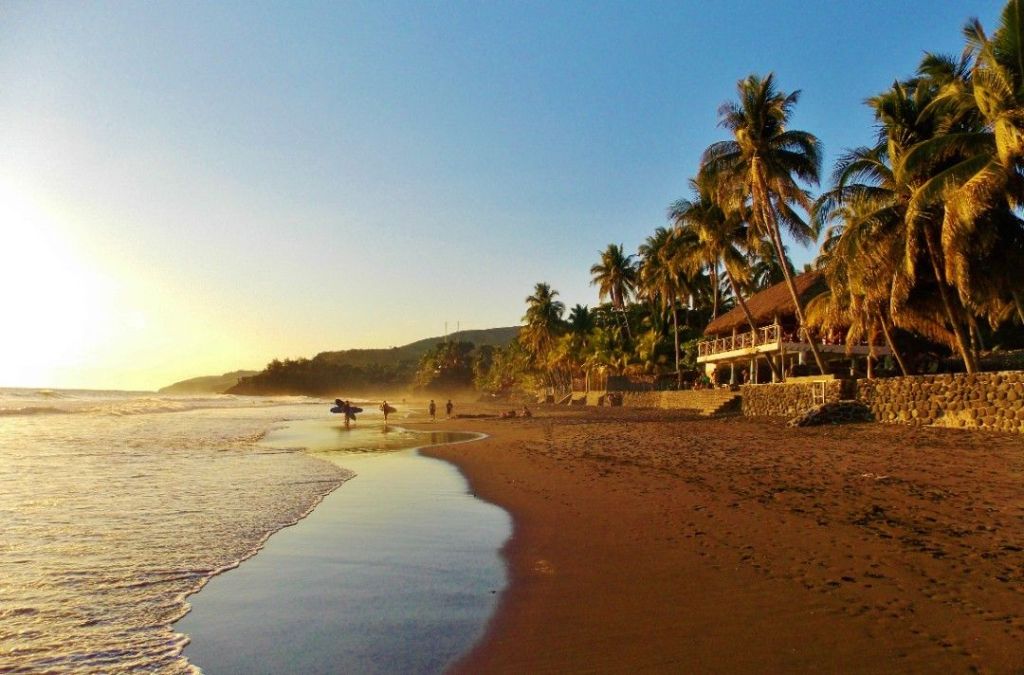
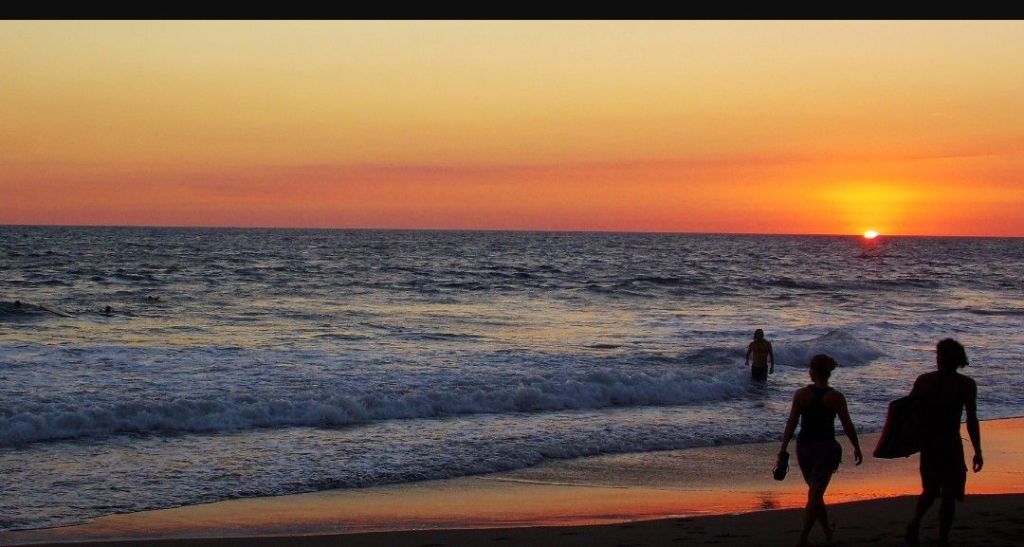
El Zonte is a small beach town on El Salvador’s Pacific coast — best known for two things: world-class surf and Bitcoin.
Hotel Konchamar
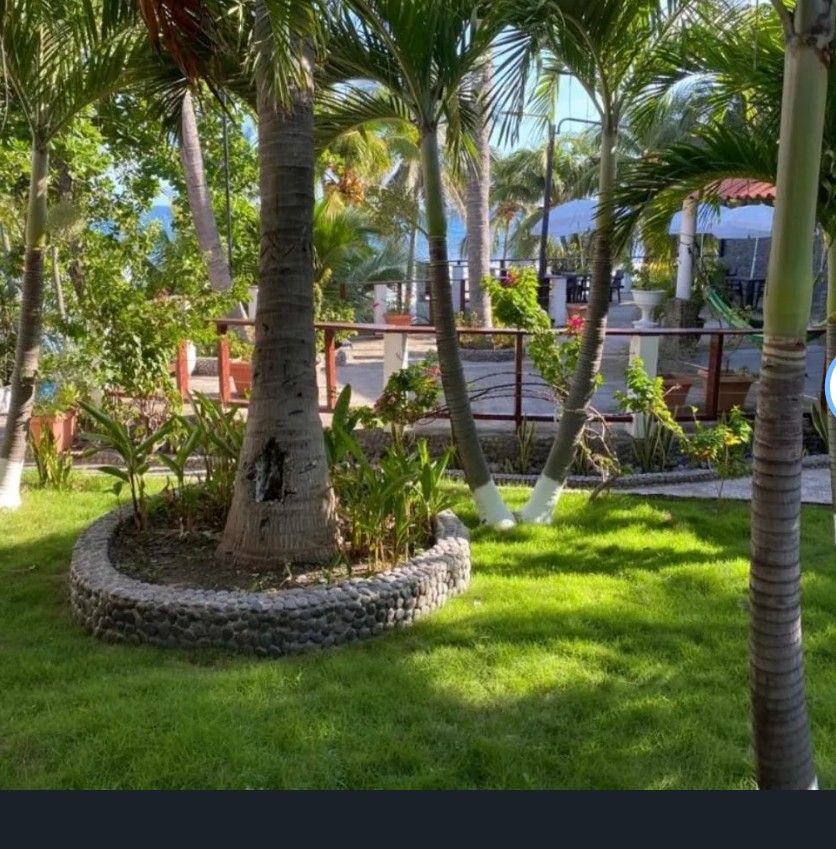
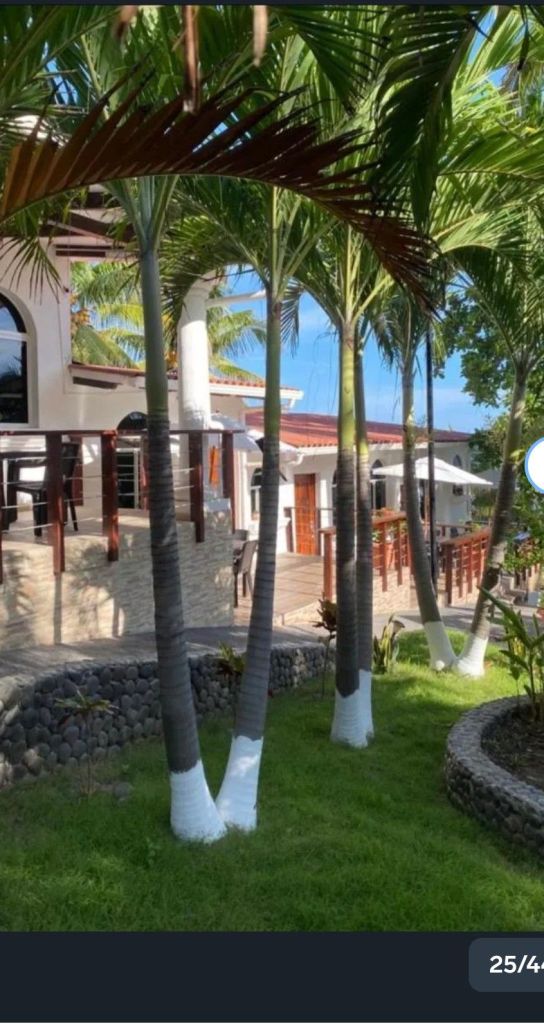
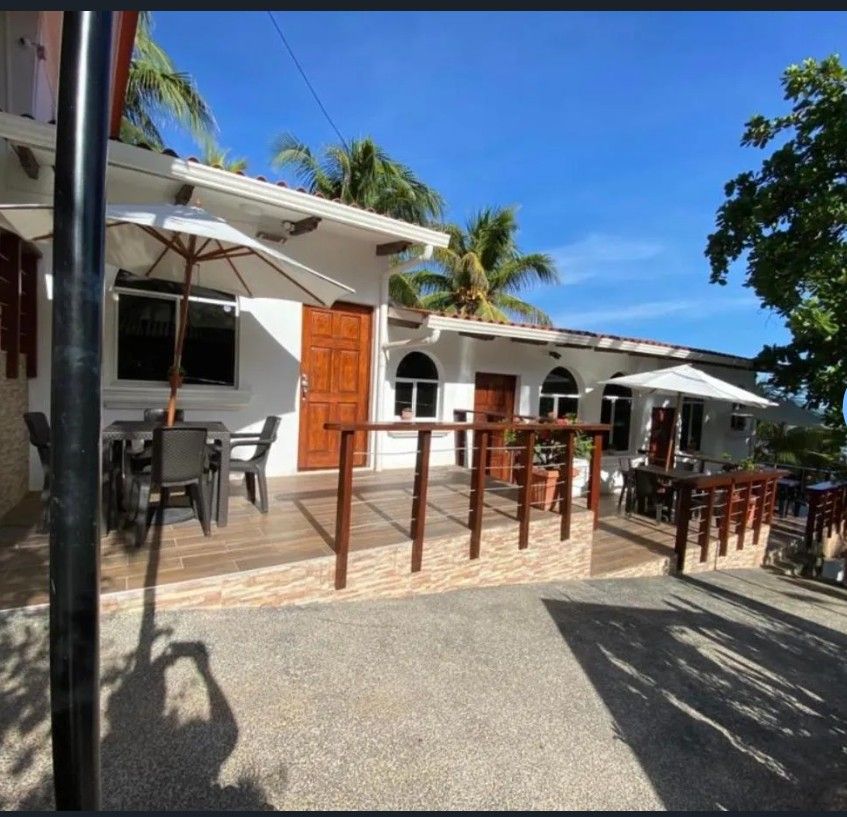
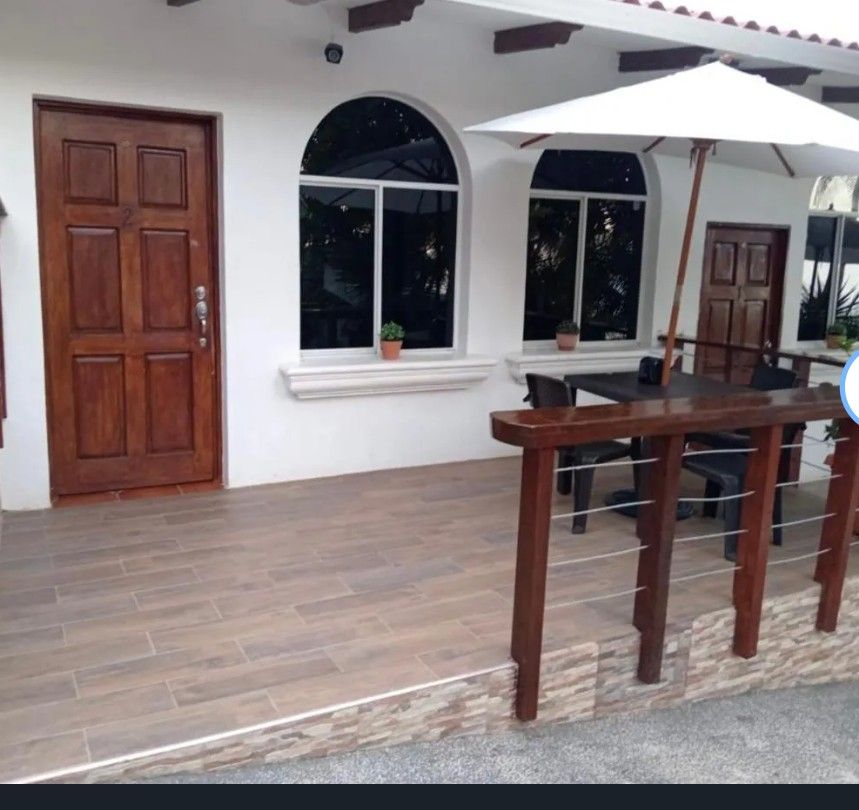
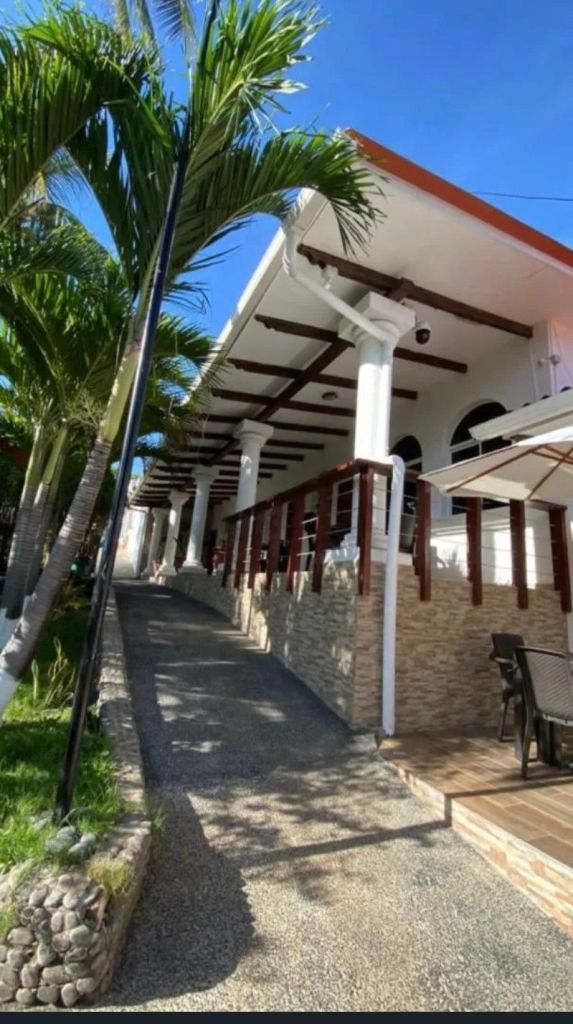
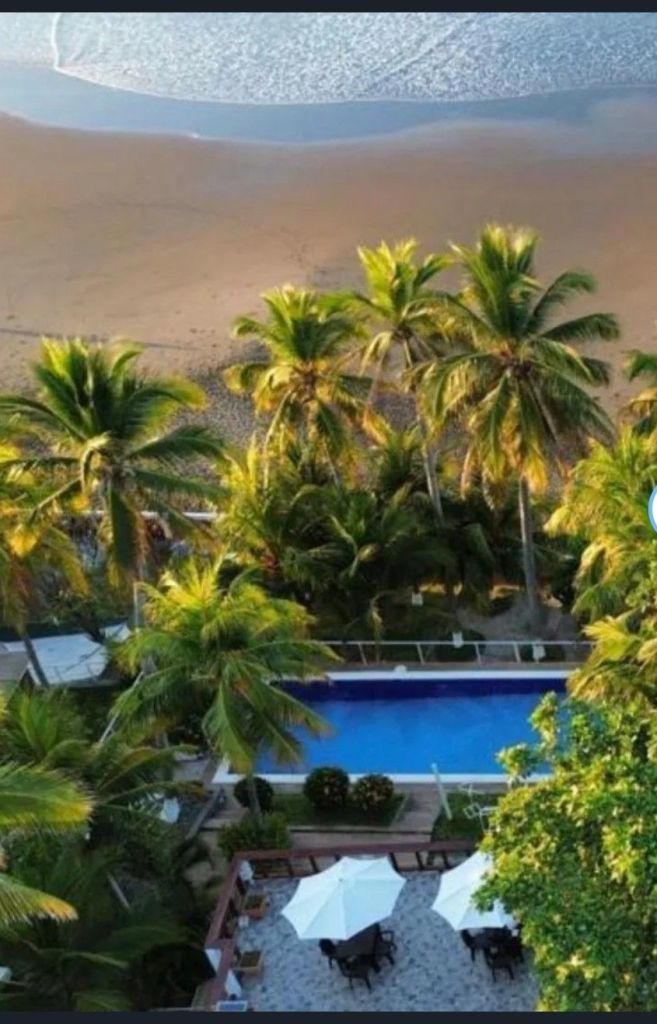
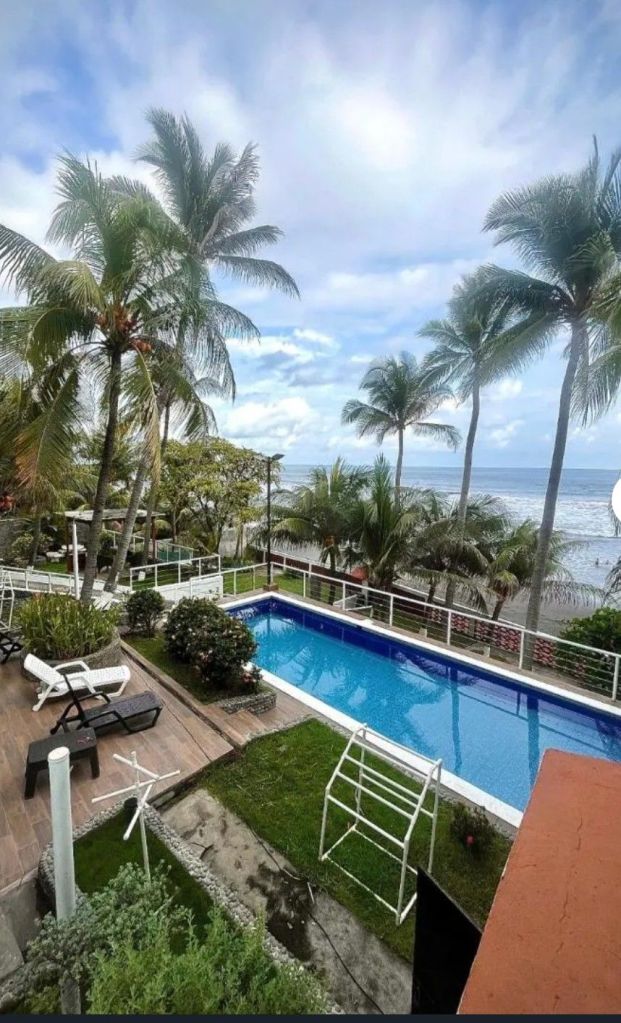
The basics
- Location: La Libertad Department, 26 miles/42 km from San Salvador, at km 53 of the coastal highway
- Population: ∼3,000 people
- Vibe: Laid-back, bohemian beach town with black volcanic sand. Dirt roads upgraded to brick + better drainage as of Summer 2023
Why people go: Surfing
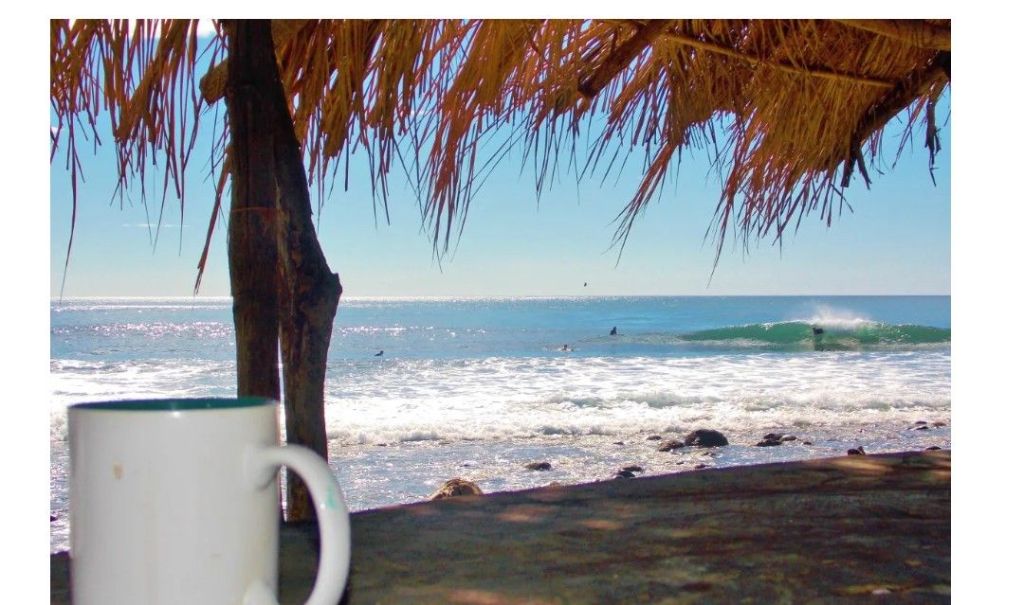
El Zonte is called a “world surfing mecca” and one of the best beaches in Central America.
The waves:
- La Punta: Rocky right-hand point break. Fast, long line, occasionally tubular. Can hit 10 ft/3.5m
- River mouth: Left wave over rocky bottom — fast, long, powerful
- Beach break: Steep, fast, short line with tube sections
Skill level: Beginner to intermediate friendly, but handles bigger swells too. Ideal: SSW/SW swell, light north wind, head-high to overhead. Crowd factor is moderate — well-known stop, but locals are generally welcoming
Bitcoin Beach
Nicknamed Bitcoin Beach, El Zonte was one of the first places in El Salvador to accept Bitcoin before the country made it legal tender. Many shops, restaurants, and surf schools take BTC. It started as a local project to bank the unbanked and became the inspiration for national policy.
Beyond surfing
- Food: Fresh grilled fish/shrimp, pupusas, fried plantains, tropical fruit smoothies, locally roasted coffee
- Stay: Mix of hostels, guest houses, hotels, private beach homes. Higher-end spots on the east side
- Do: Tide pools, beach picnics, art workshops, small cafés, skatepark
- Day trips: Waterfalls, natural reserves, artisanal villages around La Libertad
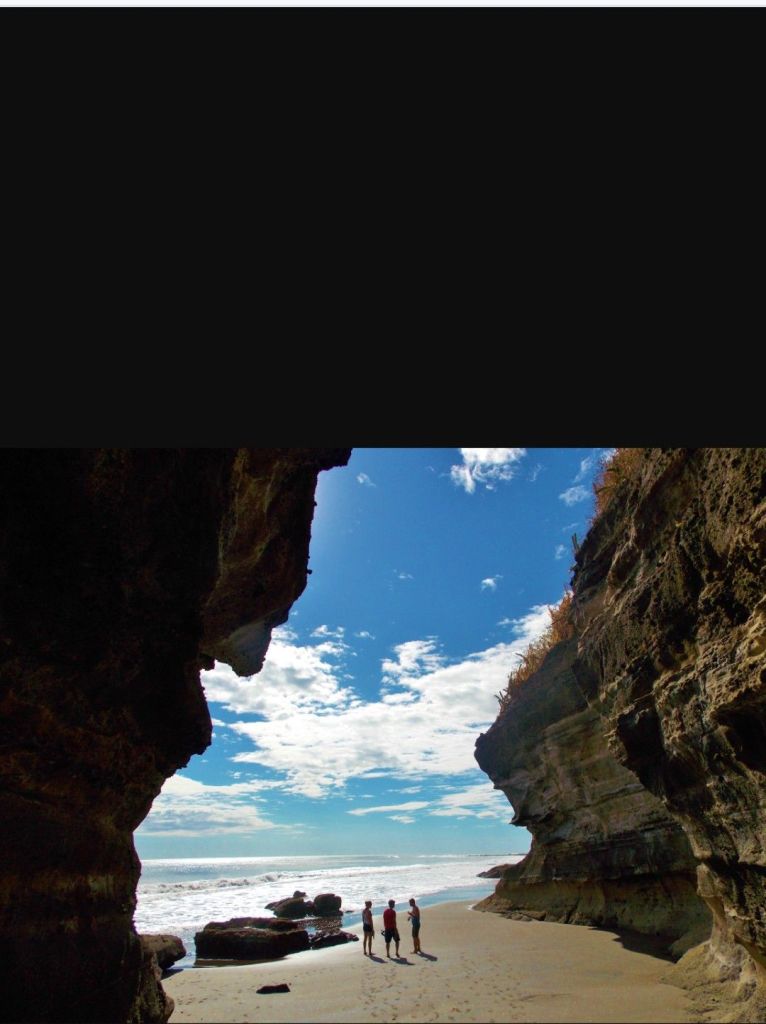
- Landscape: Cliffs, rocky outcrops, caves on the west end — great for photos
Getting there
Drive from San Salvador toward Puerto de La Libertad, take the “Road to Surf City” bypass, then west on coastal highway to km 53
Local tips
- Bring cash for small purchases at local markets
- Greet locals with “hola” — community-run spots appreciate it
- Respect conservation initiatives
- English/art classes run by foreign volunteers called “Medusas”
El Zonte keeps its original bohemian beach style even as tourism grows. It’s surf town meets crypto experiment meets Salvadoran fishing village.
What tourists should know according to AI
What tourists should know about El Salvador
El Salvador’s come a long way fast. It went from “don’t go” to one of Central America’s trending spots. Here’s the real picture:
1. Safety: Much improved, but stay smart
- Homicide rate dropped 97%+ since 2015. 2024-2026: One of the safest countries in Latin America statistically
- Gangs largely dismantled under Bukele’s state of exception. Heavy police/military presence is normal
- Tourist areas: El Tunco, El Zonte, Santa Ana, Suchitoto, San Salvador’s Zona Rosa = very safe day and night
- Still avoid: Remote areas after dark, flashing valuables, sketchy buses. Petty theft happens like anywhere
- Bottom line: Safer than many US cities now. Just use standard big-city awareness
2. Money: Bring USD + Bitcoin
- Official currency = US Dollar. No need to exchange money
- Bitcoin is legal tender too. El Zonte, El Tunco, San Salvador take it. Bring a Lightning wallet like Strike or Wallet of Satoshi if you want to try it. Most places still prefer USD
- Cash is king for small vendors, pupuserías, buses. Cards work in hotels/restaurants
- ATMs: Widely available. Chivo Bitcoin ATMs also dispense USD
3. Getting around
- Renting a car: Best way to explore. Roads to Surf City + major highways are good now. Brick roads replaced dirt in El Zonte 2023. Drive defensively
- Uber: Works great in San Salvador + La Libertad. Cheap
- Buses: Chicken buses are an experience, but not efficient for tourists. Tourist shuttles exist
- From airport: SAL airport is modern. 45 min to San Salvador, 1 hr to beaches
4. Language + People
- Spanish is official. Tourist spots have English speakers, especially younger Salvadorans
- People: Nickname is guanacos. Extremely friendly, family-oriented, proud of their country’s turnaround. Learn “buenos días” and “gracias” — goes far
- Tipping: 10% if service not included. Round up for taxis
5. What to do
Interest Where to go
Surfing El Tunco, El Zonte, Punta Roca — world-class point breaks
Volcanoes/Hiking Santa Ana Volcano, Izalco, Cerro Verde National Park
Colonial towns Suchitoto — cobblestone, art, Lake Suchitlán
Coffee Ruta de las Flores: Juayúa, Apaneca, Ataco
Mayan ruins Joya de Cerén — “Pompeii of Americas”, Tazumal
City San Salvador: Museums, markets, Zona Rosa nightlife
6. Food you can’t miss
- Pupusas: National dish. Thick corn tortillas stuffed with cheese, beans, pork. $0.50-$1 each
- Mariscos: Fresh fish, shrimp ceviche on the coast
- Café: El Salvador grows excellent coffee. Try it in Ataco
- Safety: Street food is generally fine now. Stick to busy pupuserías
7. Entry requirements for US citizens 2026
- Passport valid 6+ months
- Tourist card: $12 on arrival, good for 90 days
- No visa needed for stays <90 days
- No Covid tests/vax requirements currently
8. Cultural tips + things that surprise tourists
- Conservative dress away from beaches. Church towns = cover shoulders
- Water: Drink bottled. Ice in tourist spots is usually filtered/ok
- Pace: “Ahorita” means “eventually,” not “right now”
- Bitcoin novelty: Locals don’t all use it. Don’t assume everyone wants BTC
- Guns visible: Police/military carry openly. It’s normal now, not threatening
- Sunday = family day. Many places close early
9. When to go
- Dry season: Nov–April. Best weather, best surf
- Green season: May–Oct. Afternoon rains, lush, fewer crowds, cheaper
- Avoid: Holy Week/Semana Santa — beaches packed, prices double
Bottom line
El Salvador in 2026 = small, beautiful, cheap, and safer than its reputation. World-class surf, volcanoes, coffee, and pupusas. Go for the beaches and adventure, stay for the people.
You’ll want USD small bills, some Spanish phrases, and an open mind. The country’s trying hard to impress tourists — and it shows.
That’s a glimpse into the planned trip. More to come.


One thought on “El Salvador – pre-trip”